Johannisthal Emerges as Berlin’s Growth Corridor: New S-Bahn Link Fuels Property Surge
Formerly overlooked, Johannisthal in Berlin’s southeast is transforming into an investment hotspot as rail upgrades and mixed-use developments bring new energy.
Formerly overlooked, Johannisthal in Berlin’s southeast is transforming into an investment hotspot as rail upgrades and mixed-use developments bring new energy.
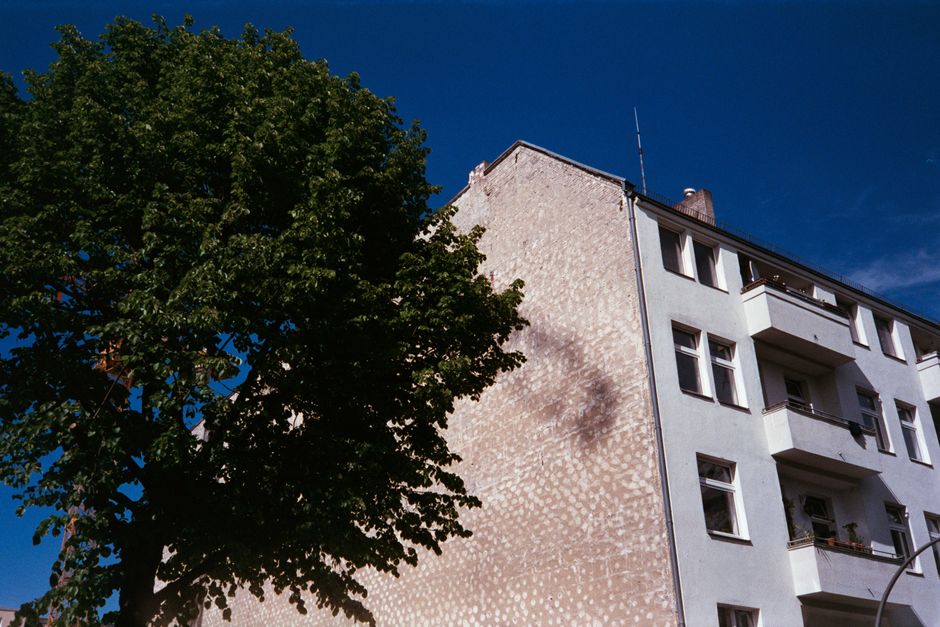
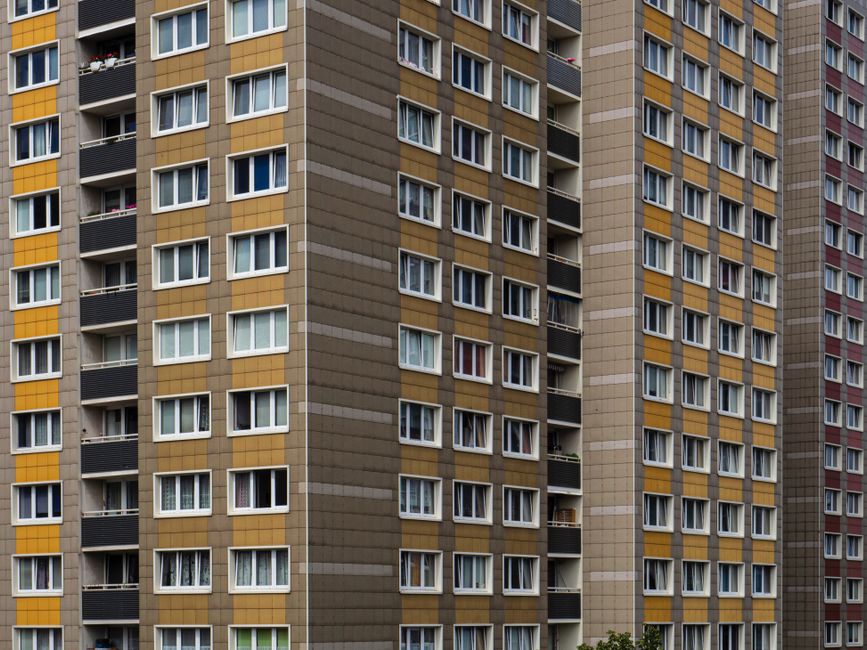
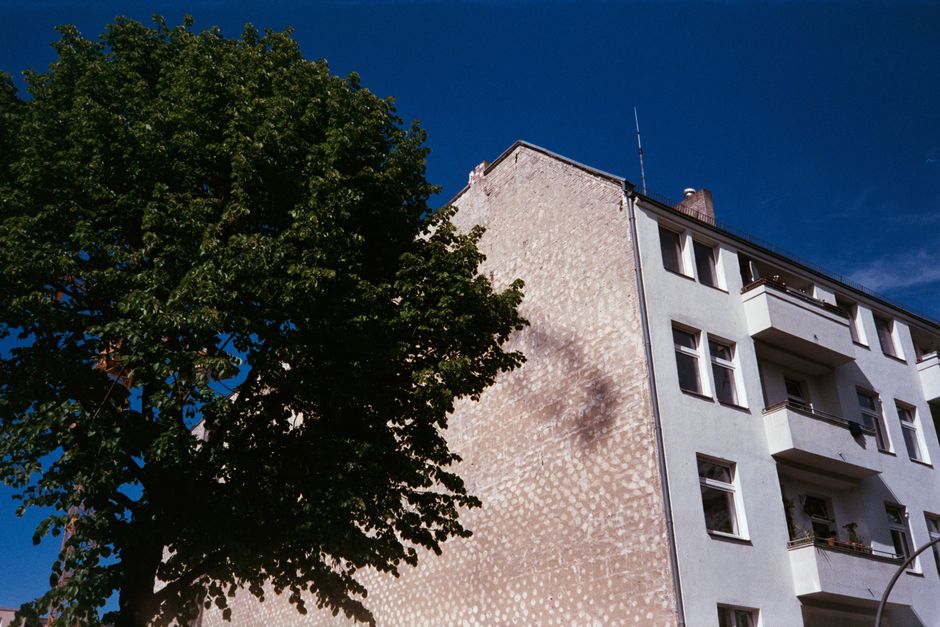
Property investors are banking on Johannisthal, a southeastern Berlin suburb once overshadowed by its more fashionable neighbours, as the district rides a wave of new infrastructure and rapid development. The opening of the S-Bahn Johannisthal station extension last month has redrawn the map for buyers seeking both growth and relative affordability.
The shift comes at a pivotal moment for Berlin’s property scene. As prices in central districts such as Mitte and Prenzlauer Berg nudge past €7,500 per square metre, city planners and investors are scanning the outer ring for the next zone of expansion. With the government channelling millions into transit and re-zoning, growth corridors like Johannisthal are suddenly front and centre.
It’s not just the new S-Bahn link from Johannisthal to the Ostkreuz interchange-now a brisk 12 minutes-that has spurred attention. Nearby Adlershof Technology Park, Germany’s largest science and media campus, is expanding again in 2026, promising up to 3,500 new jobs. The close proximity of both S-Bahn lines (S8, S9, S45, S46) and the Berliner Allee ring road is transforming the access equation for thousands of commuters.
On the ground, change is visible along Segelfliegerdamm, where cranes dot the skyline next to Kuchenkaiser Café, and a wave of new mid-rise blocks are filling out the perimeter of Landschaftspark Johannisthal. At the former Schöneweide railyard, developer Covivio has broken ground on a €340 million mixed-use scheme, including 300 rental apartments and workspace for startups by early 2028. District-level policies, such as the Pankow pilot for accelerated building permits, are also under discussion for roll-out in Treptow-Köpenick.
According to figures released in June by Immobilienscout24, Johannisthal’s apartment prices have jumped 18% year-on-year to €4,100 per square metre, up from €3,480 in mid-2025. While that remains below the city average of €5,500, the delta is narrowing fast. Rents, averaging €13.90 per square metre in new builds for Q2 2026, have crept upwards too, but are still trailing adjacent Kiez hotspots like Neukölln or Friedrichshain, where recent completions command up to €18 per square metre.
Pankow and Friedrichshain-Kreuzberg continue to draw hype, but investor clubs have started shortlisting the Oberfeldstraße and Groß-Berliner Damm corridors for portfolio diversification. "Demand’s now stretching south and east, chasing the infrastructure," explained a local agent at a recent property tour, citing sustained interest in off-plan purchases despite Berlin’s strong tenant protections.
For buyers and renters, the message is clear: Johannisthal offers rare upside at accessible entry prices, buoyed by infrastructure that puts Alexanderplatz within a quarter-hour by train. Those considering a move or an investment would be wise to act soon-developers expect the inventory of new units to tighten considerably once the first phase of the Covivio project completes in mid-2027. Local councillors, meanwhile, are pressing for expanded bike lanes and school upgrades to keep pace with the anticipated influx of young families. For now, at least, the growth corridor tag is more than just branding-the numbers suggest Johannisthal is undergoing a genuine transformation.
How does this story make you feel?
Spread the word
About this article
Published by The Daily Berlin
Daily brief
Free, in your inbox before 7am. Weekdays.
More in Property