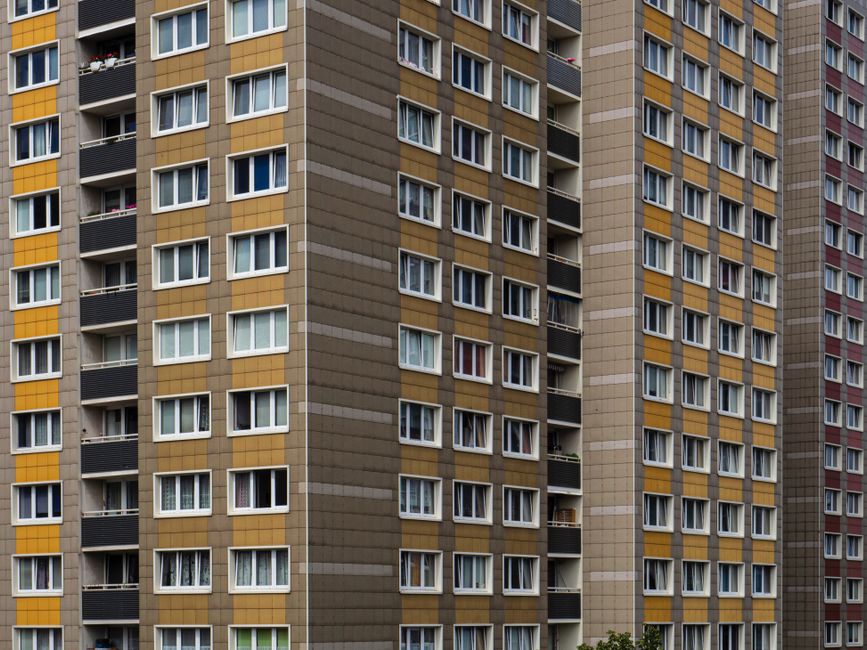
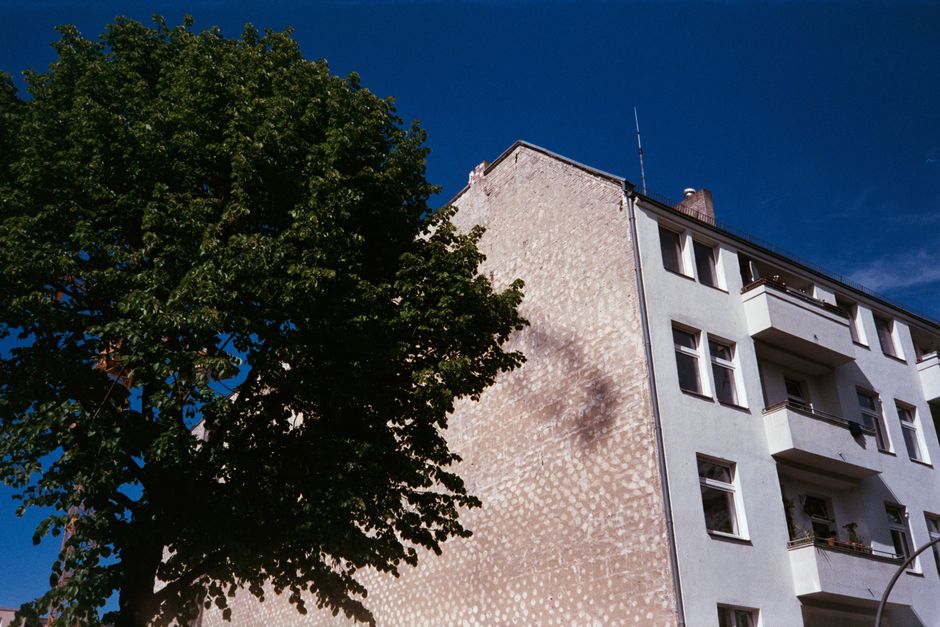
Blankenburg, the low-profile suburb in Berlin’s north-east, is on the cusp of dramatic change as the city’s Urban Development Committee considers a sweeping rezoning plan this month. If approved, the move would pave the way for thousands of new homes and commercial units-potentially lifting this sleepy quarter out of obscurity and onto the radar of property investors citywide.
The prospect of rezoning comes just as Berlin’s core neighbourhoods-Mitte, Friedrichshain-Kreuzberg, and Prenzlauer Berg-are choked with high prices and limited inventory. Demand has spilled outward, with first-time buyers and developers scouring the S-Bahn for affordable alternatives. Blankenburg sits three stops north from health-conscious Pankow and just 20 minutes from Alexanderplatz, but until now, it’s been mostly bypassed by Berlin’s property gold rush.
A Patchwork of Allotments and Opportunity
Today, Blankenburg is best known for its sprawling Kleingartenanlagen-the patchwork of garden colonies running along Hauptstraße and the S2 railway line. The area is home to the largest set of allotments in Berlin, with the Blankenburger Süden colony spanning nearly 100 hectares. Local schools like Grundschule am Faulen See serve a steady but unremarkable population, and cafés cluster around Bahnhof Blankenburg, the relatively sleepy commuter rail stop where S-Bahn trains shuttle quietly into the city.
But over the last two years, city planners have refocused their attention on Blankenburg. The Senatsverwaltung für Stadtentwicklung (Berlin’s Senate Department for Urban Development) confirmed in May that it is preparing public consultations for a rezoning plan to turn swathes of underused land-currently mostly gardens and single-family plots-into medium-density residential developments. The flagship proposal, known as the "Blankenburger Süden" project, could ultimately add up to 6,000 housing units over the next decade.
Numbers Tell the Story
According to the real estate analytics firm Empirica, average advertised prices in Blankenburg hovered at just €3,800 per square metre at the end of Q2 2026. That’s well below the Berlin average of €5,500, and less than half the price tags seen in Prenzlauer Berg or Charlottenburg. Rents reflect the discount: a recent two-bedroom listing on Blankenburger Chaussee asked €900 per month, compared to €1,400 along the U2 line in central Berlin.
Yet transaction volumes in Blankenburg have already doubled compared to 2024, as developers quietly buy up land parcels in anticipation of government approval. Capital values are expected to rise quickly if the rezoning is signed off by the city’s Bausenator, with some estimates suggesting a 20% jump over the next 18 months. Investors point to the planned tram line extension along Heinersdorfer Straße as another catalyst, promising improved transit and urban infrastructure by 2029.
For now, local campaigners from Bürgerinitiative Blankenburger Süden urge residents to weigh the pros and cons: the benefits of better transport and modern amenities versus the loss of green space and the area’s quiet, village-like character. The city’s official hearings are scheduled for July 17, with final votes expected in September.
For buyers or potential investors, Blankenburg represents a rare window: a Berlin suburb with underappreciated potential that is about to step into the limelight. Those interested should watch the city’s rezoning calendar closely, as the outcome will likely redefine not only Blankenburg but Berlin’s entire north-eastern property frontier.