The Gentrifying Pocket Attracting Young Professionals: Weißensee's Turn in the Berlin Sun
Once overlooked, a stretch of Weißensee is now luring first-time buyers and young creatives with accessible prices and boutique culture.
Once overlooked, a stretch of Weißensee is now luring first-time buyers and young creatives with accessible prices and boutique culture.

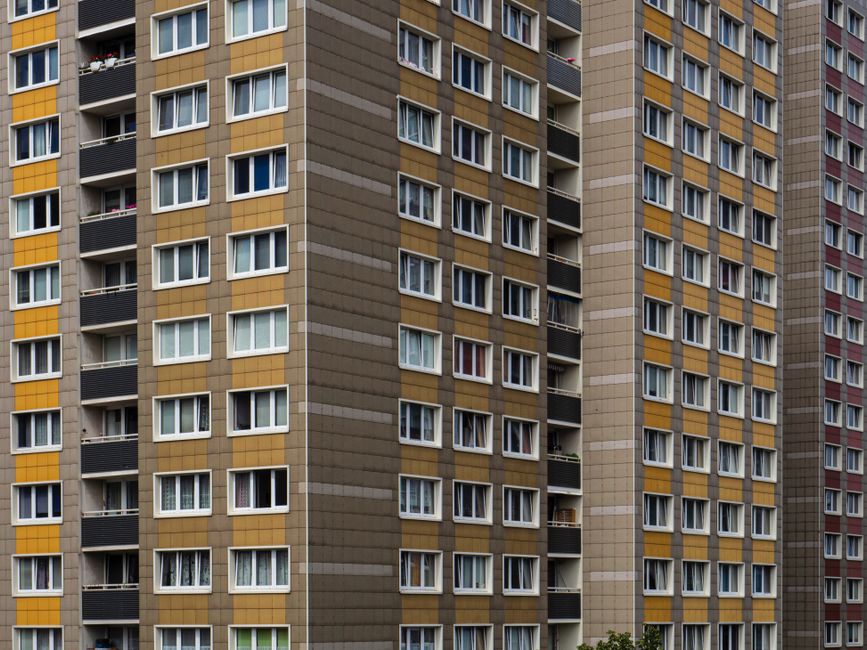
Weißensee, tucked just northeast of Prenzlauer Berg, is rapidly becoming Berlin's latest magnet for ambitious young professionals. Property agents at local firms, including Engel & Völkers, report a 36% jump in viewings along Gustav-Adolf-Straße since the spring. On a muggy July morning, foot traffic around Antonplatz’s sleek new cafés paints a picture of a neighbourhood in transformation.
The timing could not be more significant. As Mitte and Prenzlauer Berg continue to outpace the city’s average price — both hovering close to EUR 7,200 per square metre — would-be buyers are forced to look further afield. Weißensee, which until recently languished in the shadow of Berlin’s more fashionable core, has entered the frame as both affordable and promising. For aspiring homeowners squeezed by the city’s infamous shortage of rental flats and tough tenant laws, small yet swift-shifting suburbs like Weißensee are a glimmer of hope.
The heart of change runs from the historic Milchhäuschen café by the lake to the leafy reaches of Berliner Allee. Once dominated by aging apartment blocks and kebab shops, the neighbourhood is seeing startups and design studios rubbing shoulders with longtime residents. The privately funded KREATIVHAUS project on Mahlerstraße opened its doors in March, offering co-working spaces and hosting after-work events that spill onto the street every Friday. Local gallery M1 Weissensee has doubled its programming to meet demand for art shows and workshops.
The influx is reflected in the numbers. Data from the Berlin Hyp quarterly report shows the average sale price in Weißensee jumped to EUR 4,900 per square metre as of June 2026 — still almost 11% below the city average of EUR 5,500, but up 21% year on year. The proportion of buyers under 35 has nearly doubled since 2023, driven in part by promotional mortgages from Sparkasse Berlin and several new-build projects near Bizetstraße and Parkstraße. “It’s no longer just families,” one local broker said, “but solo professionals buying first flats or groups of friends pooling for investments.”
While Weißensee’s renaissance shows no sign of slowing, competition is tightening. Prospective buyers are advised to monitor listings daily, as properties snap up within weeks. Renters, too, feel the shift: local tenant association Berliner Mieterverein warns that average rent for renovated two-bedroom units now reaches EUR 15.20 per square metre, with bidding wars increasingly common near the lake. Officials at Bezirksamt Pankow are studying traffic and noise through the “Leiser Kiez” initiative, hoping to balance growth with quality of life for both longtimers and newcomers.
For now, Weißensee offers what many Berlin districts can’t: relative accessibility, a dynamic mix of tradition and entrepreneurship, and a genuine sense of discovery. Those looking to buy or invest would be wise to move quickly—or risk missing the suburb’s golden moment. Local property consultancies forecast further price hikes as new tram connections open later this year, making Berlin’s latest hotspot even less of a secret.
How does this story make you feel?
Spread the word
About this article
Published by The Daily Berlin
Daily brief
Free, in your inbox before 7am. Weekdays.
More in Property