property
Berlin Housing Market Update: How 2026 Stacks Up Against the 2021 Boom
Average prices remain below pandemic highs, but new hotspots and tighter lending shape a changed market.
Listen in English · 5 min
How we reported this
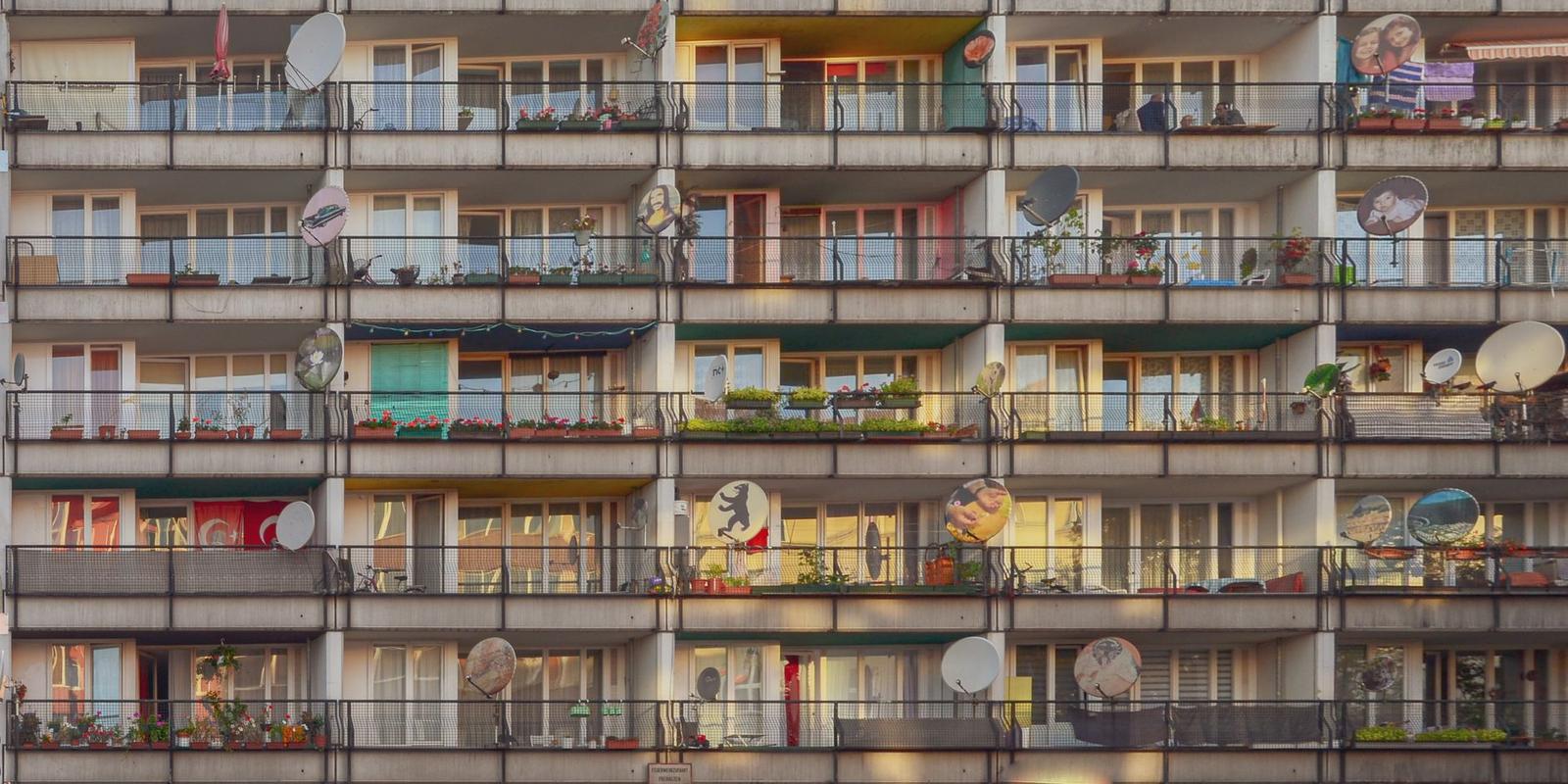
Berlin’s residential property market has cooled sharply since the frenzied highs of 2021, with average sale prices settling at €5,500 per square metre-down nearly 9% from the pandemic peak when bidding wars swept through districts like Prenzlauer Berg and Kreuzberg.
For Berliners-and would-be buyers-this shift matters. The capital’s property rush left many frustrated: open house queues snaked around Mehringdamm, flats changed hands within hours, and "Eigentumswohnungen" listings drew dozens of offers above asking. Now, amid mounting economic uncertainty across Europe and new mortgage restrictions, the landscape looks very different.
A Changed City: From Mitte to Pankow
Much of the post-pandemic speculation has drained from core districts. On Torstraße, median sale prices for renovated Altbau apartments have fallen by nearly €1,000 per square metre from their 2021 levels, according to figures from ImmobilienScout24. Instead, buyers are exploring further out-north in leafy Pankow, the district’s property office reported a 12% year-on-year increase in transaction volume, even as citywide deal numbers dipped overall.
Major buyers’ agents like Ziegert and Ludwigs say clients now weigh value and rental prospects over pure speculation. Areas around Boxhagener Platz in Friedrichshain, which once saw double-digit annual growth, are stabilising. Meanwhile, new family units in suburban Heinersdorf (Pankow) sold briskly this spring under the city’s “Wohnung für Familien” programme, aiming to keep locals in Berlin rather than chasing cheaper prices in Brandenburg.
The Data: 2026 vs 2021
At the 2021 market’s hottest, Berlin recorded a citywide average of €6,000/sqm, with Mitte and Prenzlauer Berg pushing €7,800. This June, Engel & Völkers put the average at €5,500/sqm-a slide blamed on higher ECB interest rates (now 4.5%, up from near zero in 2021), additional credit requirements from Sparkasse Berlin, and a longer time-on-market for most listings. Notably, urban rental yields have ticked up: the IBB’s latest report shows rents rose to €12.90/sqm across the city as supply tightens and tenant-protection rules discourage amateur landlords from selling up.
The picture is nuanced. New-builds in Lichtenberg or Wedding still sell swiftly if priced below €6,000/sqm. Historic stock-like Wilhelminian-era loft conversions in Charlottenburg-are seeing modest declines, but demand for high-quality, energy-efficient units is robust. Investors note that international buyers, who flooded the market in 2021, are now far less visible due to regulatory changes and economic nerves after Russia’s war in Ukraine.
Buyers and renters face a new reality. With rates high and prices off the peak, agents at Engel & Völkers and Vonovia expect a steady-not spectacular-market through year-end. Berlin’s Mietendeckel legacy and federal “Baukindergeld” grants continue to shape demand. The advice for buyers: scrutinise location, energy standards, and local development before committing. Those waiting for a crash could be disappointed, but a return to the fever pitch of five years ago looks unlikely-and most locals, especially tenants, are breathing a sigh of relief.
This article is general information only and is not personal financial or investment advice. Consider your own circumstances and seek licensed professional advice before making financial decisions.