property
Berlin's Waterfront Bet: Köpenick's Lakeside Blocks Are Rewriting the City's Price Map
Long overshadowed by Mitte and Prenzlauer Berg, the Dahme-side neighbourhoods of Köpenick are now posting some of Berlin's sharpest year-on-year price momentum.
How we reported this
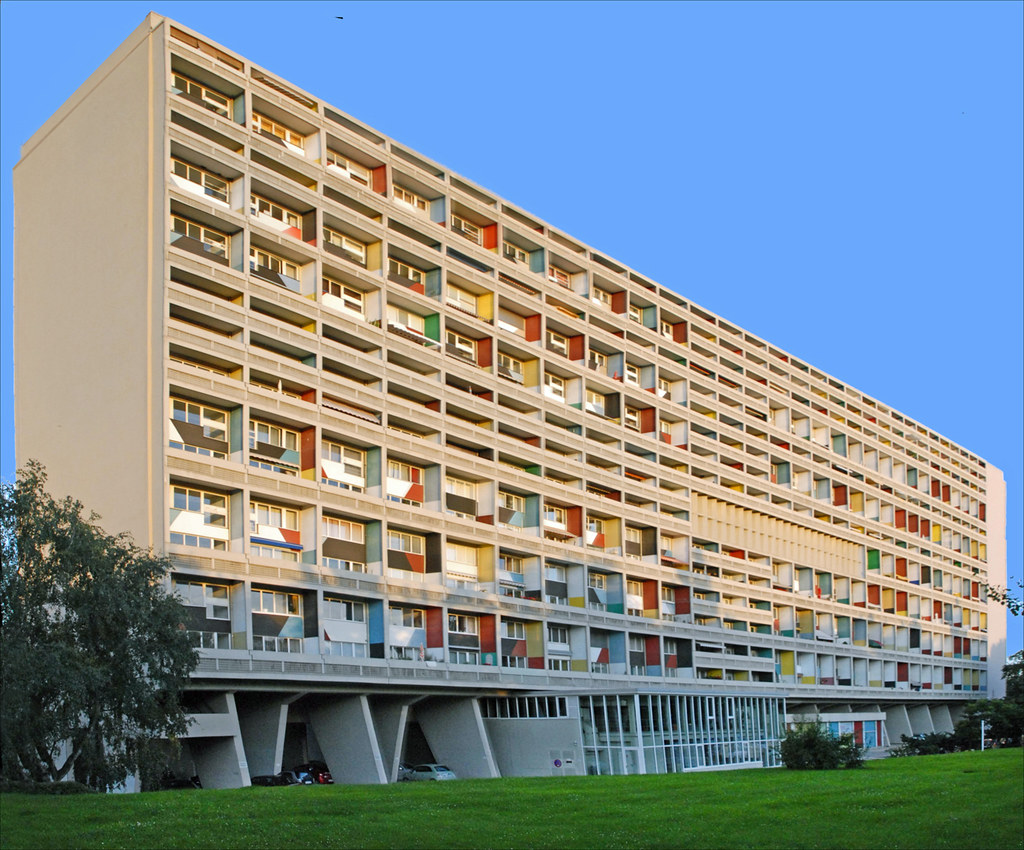
Prices along the Langer See and the Dahme riverfront in Treptow-Köpenick have climbed to an average of roughly €4,800 per square metre for resale apartments, up from closer to €4,100 two years ago, according to valuations compiled by Berlin's Gutachterausschuss für Grundstückswerte, the city's official property valuation committee. That 17 percent move in twenty-four months puts the district among the fastest-moving submarkets in the capital, even as the broader Berlin average hovers near €5,500 per square metre.
The numbers matter because Köpenick has for years been treated as a footnote to the city's property story, picturesque, yes, but peripheral. That framing is now being tested. Buyers priced out of Friedrichshain-Kreuzberg and the inner Prenzlauer Berg streets around Kollwitzplatz are recalibrating, and waterfront supply in Berlin is genuinely scarce. The Müggelsee, Berlin's largest lake at roughly 7.4 square kilometres, sits at Köpenick's eastern edge. You cannot build more of it.
What Is Actually Driving the Move
Three forces are converging. First, the S3 S-Bahn line now runs direct services to Ostkreuz in under twenty minutes, and Ostkreuz itself connects to the Ring in under five, the commute calculus has shifted. Second, the Berliner Stadtentwicklungsplan Wohnen 2040, the city's long-range housing framework, has identified Treptow-Köpenick as a priority growth corridor, directing infrastructure spend toward the southeastern districts rather than the already-saturated inner ring. Third, the former industrial waterfront along the Spree near Oberschöneweide, just north of Köpenick proper, and technically still within the same administrative district, has attracted a clutch of refurbishment projects that are nudging the neighbourhood's profile upward.
Specific streets are showing the effect. Grünauer Strasse, which runs close to the shore near Grünau's regatta course, still used for competitive rowing, has seen asking prices on detached houses tip past €900,000 for properties that would have traded at €650,000 in early 2023. The Regattastrasse stretch near the DLRG water rescue station offers a combination of direct lake access and established green infrastructure that is rare inside the S-Bahn ring. Buyers familiar with similar waterfront premiums in Hamburg's Alster districts or Amsterdam's Amstelveen corridor are increasingly citing Köpenick as structurally undervalued by comparison.
What Buyers and Renters Should Know Before They Move
Tenant protections remain robust across Berlin, and Treptow-Köpenick is included in the city's Mietspiegel rent index, which caps reference rents and limits increases on re-letting. That means buy-to-let yields are compressed, gross yields on apartments near the Müggelsee typically run between 2.8 and 3.4 percent, according to market data from the Immobilienverband Deutschland. Owner-occupiers buying for long-term capital gain are the dominant buyer type here, not short-cycle investors.
New supply is thin. The Wasserstadt Köpenick scheme, a mixed-use development planned around the old Oberspree cable works site, has moved slowly through Berlin's planning bureaucracy, approvals are partial, and construction timelines remain fluid. That supply constraint is a structural support for prices but also a warning: anyone buying unfinished or off-plan product in this district should scrutinise completion risk carefully.
For buyers, the practical window looks like the next twelve to eighteen months. Mortgage rates across the eurozone have eased modestly from their 2024 peaks, and several Berlin-based brokers report that instruction volumes in Köpenick started ticking up in the first quarter of 2026. Once the Stadtentwicklungsplan infrastructure commitments translate into visible groundwork, expected from late 2026 onward, the discount to inner-city prices will narrow further. Köpenick's lakeside blocks are still, just about, a story that hasn't fully been told yet. That gap is closing.
This article is general information only and is not personal financial or investment advice. Consider your own circumstances and seek licensed professional advice before making financial decisions.