property
Pankow Emerges as Berlin’s Rising Suburb for Property Investment
With affordable prices and robust development, Pankow is attracting investors seeking growth beyond the Berlin core.
How we reported this
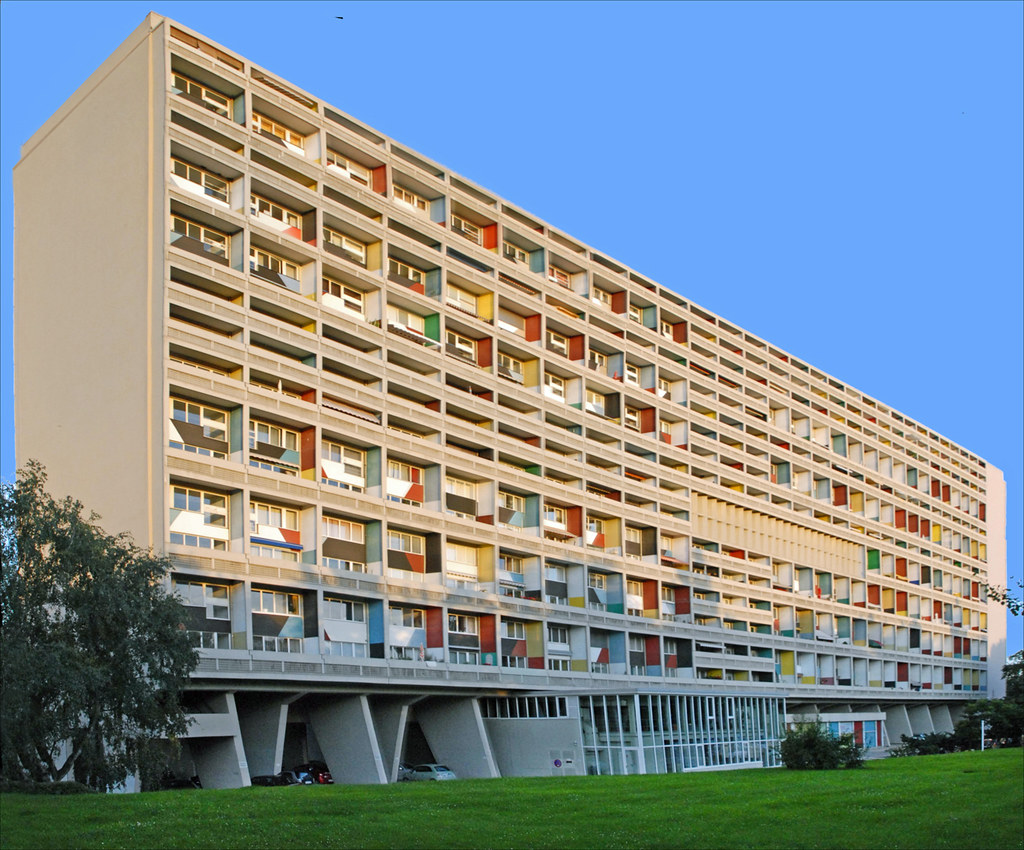
Berlin’s Pankow district is fast becoming the city’s new hotspot for real estate investment, with property prices climbing steadily as demand grows from buyers looking beyond Mitte and Prenzlauer Berg.
Why Pankow Is Gaining Attention Now
The surge in Pankow’s popularity comes amid Berlin’s ongoing housing crunch and tenant protections that have pushed investors to search for emerging areas offering both affordability and long-term potential. Berlin’s average price per square metre hit approximately €5,500 in early 2026, according to Berlin Hyp’s property report from February, with traditional central districts like Mitte and Prenzlauer Berg commanding premiums beyond €7,000 per sqm. In contrast, Pankow offers comparatively lower entry points, while also benefitting from expanding infrastructure and local amenities development.
Furthermore, the district’s blend of urban vibrancy and green spaces aligns with buyers’ growing preference for liveable neighbourhoods that balance city life with outdoor options. This shift reflects a broader trend as remote work and lifestyle factors continue to influence Berlin’s property dynamics.
Local Developments Driving Demand
Within Pankow, the neighbourhood of Niederschönhausen has seen particular interest, partly due to its proximity to the Wasserturm Prenzlauer Berg, a well-known historic water tower and local landmark that anchors the community. Nearby, the new Prenzlauer Platz redevelopment project aims to create mixed-use offerings combining residential units, retail space, and cultural venues, supported by the Berlin Senate’s urban renewal initiatives.
The Schönholz station area, served by the S1 line, also draws interest for its improved transit connections. Berlin’s public transport authority (BVG) recently increased service frequency on this route, easing commutes to central hubs and making Pankow more accessible to a broader working population.
Data Underscoring Pankow’s Rise
According to ImmobilienScout24, average asking prices in Pankow rose by approximately 6% year-on-year in the first quarter of 2026, outpacing Berlin’s overall increase of about 4.5% in the same period. Meanwhile, rental yields in Pankow remain relatively attractive, with apartments offering returns of around 3.2%, compared with 2.8% in more saturated areas like Friedrichshain-Kreuzberg.
These figures align with data released by the Berlin Senate Department for Urban Development, which notes a 15% increase in construction permits issued in Pankow over the past 18 months, particularly for residential projects targeting young professionals and families, a demographic fueling the district’s growth.
What Investors Should Keep in Mind
Prospective investors eyeing Pankow should evaluate transport links and proximity to ongoing development sites carefully. Areas near the Schönholz station and Niederschönhausen are increasingly coveted, yet pricing is set to rise as demand continues.
Buyers must also factor in Berlin’s strong tenant protections that can affect rental income streams; however, new-build properties commissioned under recent city programs, like the Baukindergeld subsidy scheme, offer legal avenues to optimise returns while supporting affordable family housing.
For those looking to invest in Berlin’s evolving property market, Pankow presents a compelling option that balances accessibility, growth, and lifestyle appeal. Keeping a close eye on upcoming urban projects and transport infrastructure upgrades will be key to capitalising on this emerging hotspot.
This article is general information only and is not personal financial or investment advice. Consider your own circumstances and seek licensed professional advice before making financial decisions.