property
Berlin’s New Renovation Policies Reshape Market Dynamics
Recent changes to building regulations and planning approvals are driving shifts in Berlin’s residential renovation market, influencing prices and investor strategies.
How we reported this
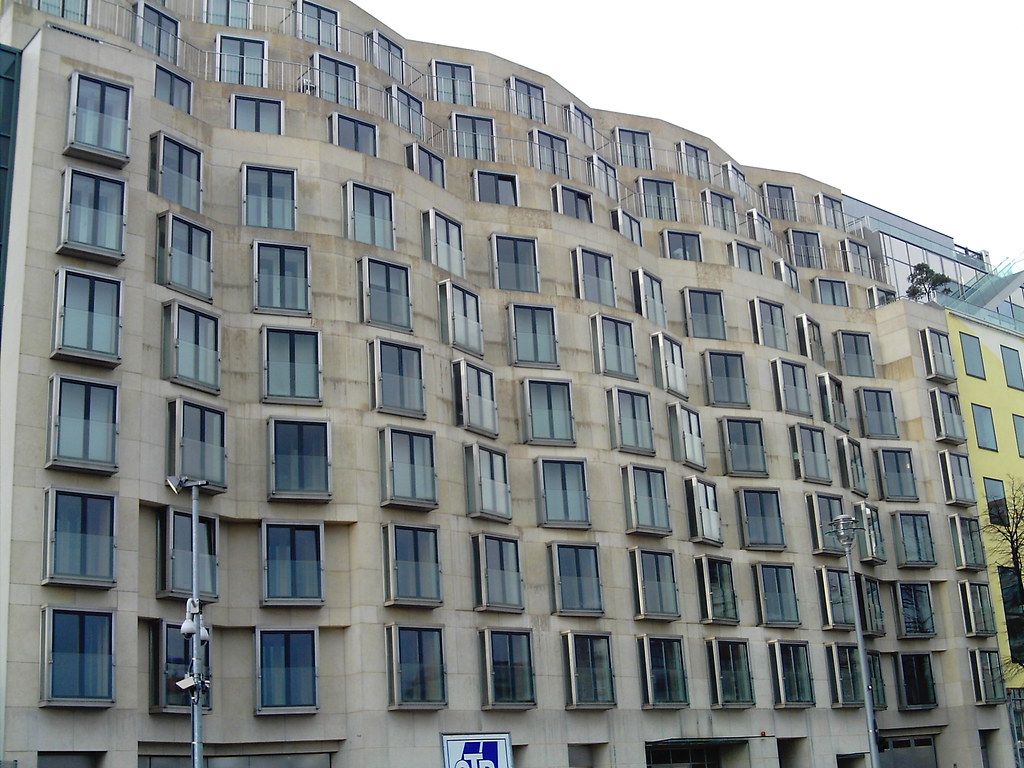
Berlin’s local government has introduced a suite of new policies aimed at streamlining renovation approvals and tightening energy efficiency requirements, affecting property owners and developers citywide. These changes, effective from July 1, 2026, seek to balance tenant protections with the city’s green transition goals, influencing renovation trends in key districts.
At a time when rising energy costs and stricter climate targets are top of mind across Germany, Berlin’s municipal policies on urban renewal have become increasingly significant. With buildings accounting for nearly 40% of the city’s carbon emissions, the Senate’s recent measures are designed to accelerate upgrades in older housing stock, particularly in areas with aging pre-war buildings.
Districts on the Frontline: Prenzlauer Berg and Friedrichshain-Kreuzberg
In Prenzlauer Berg, known for its historic Altbau structures and a high concentration of rent-controlled apartments, owners face new requirements under the Stadtentwicklungsamt's renovation permit plan. The agency now mandates enhanced insulation and eco-friendly heating installations for renovations exceeding 20,000 euros. This has prompted increased activity among landlords seeking to improve energy ratings while navigating the city’s strict tenant protection laws.
Meanwhile, in Friedrichshain-Kreuzberg, a neighborhood prized for its cultural vibrancy and rising demand for modern living spaces, the focus is on adaptive reuse and mixed-use developments. The Bezirksamt Kreuzberg’s recent initiative encourages the conversion of unused commercial buildings into residential units, with expedited approval processes for energy-efficient projects. This has attracted investors interested in blending preservation with innovation, particularly for properties along Wiener Straße and Rigaer Straße.
Quantifying the Impact: Market Shifts and Price Movements
Data from the Immobilienverband Deutschland (IVD) reveals that average asking prices for renovated units in Prenzlauer Berg have increased by approximately 7% over the past six months, now approaching 6,000 euros per square meter. This contrasts with a citywide average of around 5,500 euros per square meter, illustrating the premium placed on enhanced, regulation-compliant dwellings in desirable neighborhoods.
Additionally, the Berliner Energieagentur reports that energy-efficient renovation permits have risen by 15% since the policy took effect, signaling growing investor confidence despite the higher upfront costs. However, real estate agents caution that these changes could also limit speculative flipping of properties, as longer approval times and higher standards raise entry barriers.
For tenants, these policies mean better living conditions but also heighten concerns about potential rent hikes post-renovation-a complex issue at the heart of ongoing political debates in the Abgeordnetenhaus.
Looking ahead, property owners and developers in Berlin should closely monitor the evolving regulatory landscape. Engaging early with local authorities, such as the Bezirksamt Mitte or the Senatsverwaltung für Stadtentwicklung, can smooth the planning process. Renovation projects should prioritize sustainable technologies to meet new compliance criteria, which could, in turn, qualify them for state subsidies under programs like the Berliner Förderprogramm für energiesparendes Bauen.
For tenants, staying informed about proposed works and tenants’ rights under the Mietendeckel remains critical. With neighborhood associations increasingly active-particularly in Pankow and Kreuzberg-residents have more platforms to voice concerns and negotiate project scopes.
As Berlin balances preservation, climate action, and housing affordability, these policy changes will be a key factor reshaping not just renovations but the broader real estate market through 2026 and beyond.
This article is general information only and is not personal financial or investment advice. Consider your own circumstances and seek licensed professional advice before making financial decisions.