property
Berlin's Housing Crisis: Renters and Buyers Both Face Affordability Collapse
For the first time in a decade, Berlin renters and buyers face an equally grim affordability equation, forcing residents to reconsider whether staying in the city remains viable.
How we reported this
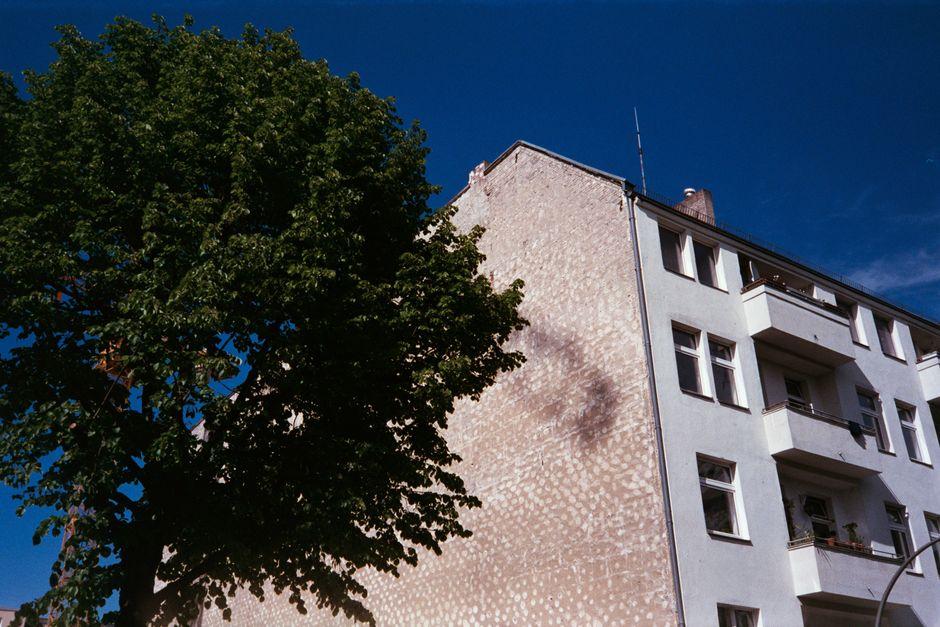
The calculus of Berlin housing has fundamentally changed. Once a renter's haven where monthly payments stayed stubbornly below €12 per square meter, the city now presents an uncomfortable paradox: buying has become prohibitively expensive while renting offers diminishing refuge from soaring costs.
In Kreuzberg and Friedrichshain, neighborhoods synonymous with affordable living, average rents have climbed to €16-18 per square meter-a 40% increase since 2020. Meanwhile, purchase prices in these same districts now hover around €9,500-11,000 per square meter, up from €6,500 just five years ago. The numbers tell a story of a market where both pathways have narrowed simultaneously.
Consider the numbers head-to-head: A modest two-bedroom apartment in Neukölln rents for approximately €1,400 monthly. To purchase that same property would require €420,000-480,000, demanding a 15-20% deposit and mortgage qualification that increasingly excludes average Berlin workers. For renters, that €1,400 monthly payment consumes roughly 35-40% of a median household income-well above the sustainable 30% threshold economists recommend.
The paradox deepens when examining the rent-to-price ratio. In Mitte and Prenzlauer Berg, where gentrification accelerated after 2015, properties that once represented achievable dreams now demand €15,000+ per square meter. A renter paying €2,000 monthly would need nearly €500,000 to purchase equivalent space-an impossible gap for young families or single-income households.
What's changed most dramatically is the psychology of choice. Berlin's appeal historically rested on freedom: renters enjoyed stability without ownership burden, while modest incomes could still afford participation in urban life. Today, neither option delivers that promise. Young professionals face a grim selection: accept rent payments that crowd out savings, or accept that homeownership requires inheritance, partnerships, or relocation to Brandenburg's periphery.
Policy responses remain tentative. Rent controls, recently implemented in other European cities, have shown mixed results at best-deterring new construction without meaningfully improving affordability. Meanwhile, Berlin's construction sector struggles with labor shortages and rising materials costs, limiting supply just when demand intensifies.
The city's character increasingly depends on who can afford to stay. Without decisive intervention-whether through accelerated social housing construction, meaningful rent regulation, or buyer assistance programs-Berlin risks becoming what longtime residents feared: a city for tourists and the wealthy, with the working middle class commuting from distant suburbs.
For now, Berliners face an uncomfortable truth: the city that promised affordable urban living has priced that promise out of reach.
This article is general information only and is not personal financial or investment advice. Consider your own circumstances and seek licensed professional advice before making financial decisions.