Berlin's endurance sports scene is experiencing a quiet but unmistakable transformation. Recent participation data from local running clubs, cycling collectives, and triathlon federations paint a picture of a city where fitness has become woven into daily life in ways that extend far beyond gym memberships and weekend joggers.
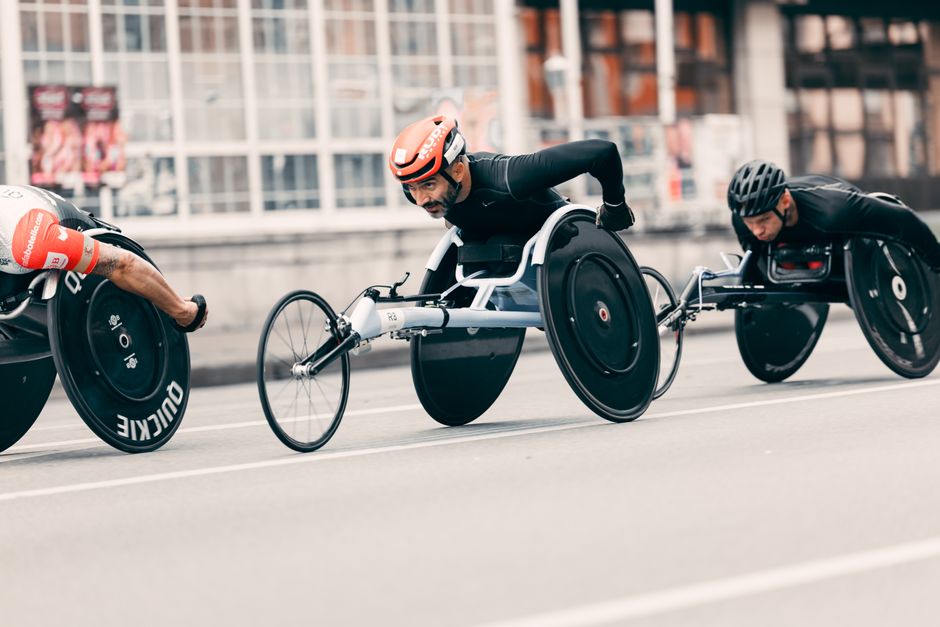
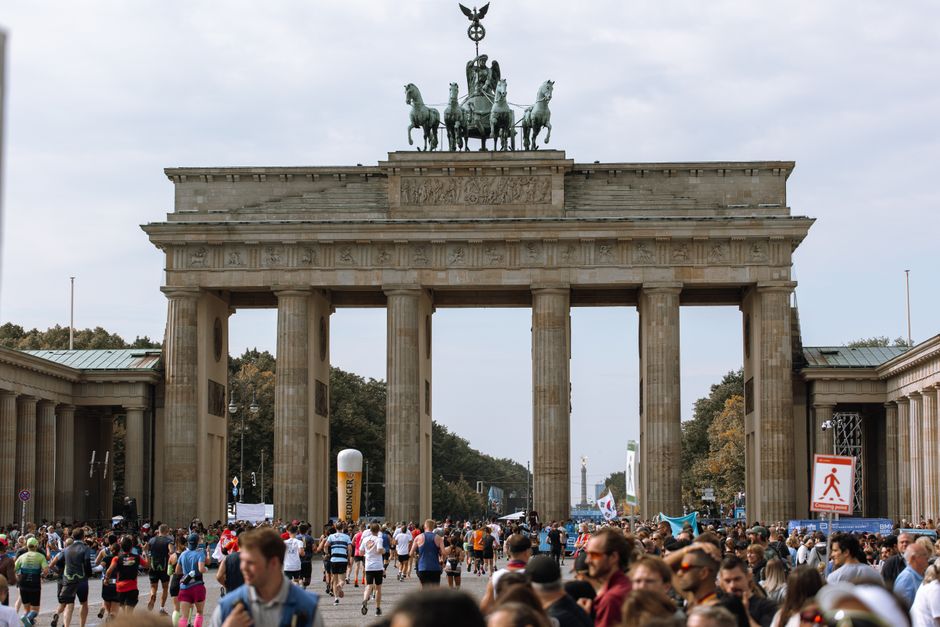
The numbers are striking. Membership in Berlin's registered running clubs has grown by nearly 34% since 2023, with the Berliner Laufclub and smaller neighbourhood-based organisations reporting waitlists for popular training sessions. Meanwhile, the annual Berlin Marathon—held since 1974—now attracts over 40,000 participants, making it one of Europe's largest road races. Yet the real story isn't at the elite end. Data from cycle-tracking apps shows daily commuters using Berlin's expanding network of Radwege (bike lanes) have increased by 28% year-on-year, transforming neighbourhoods like Friedrichshain and Kreuzberg into hubs for active transport.
Triathlon participation tells perhaps the most revealing story. Clubs based around the Müggelsee in Köpenick and the Tegeler See report that beginner cohorts have doubled. Entry fees for local sprint-distance events—typically €60 to €85—remain accessible, yet registrations consistently exceed capacity. This democratisation of endurance sport matters: it suggests fitness culture is no longer confined to affluent districts or exclusive clubs.
What explains this shift? Several factors converge. Berlin's topography—relatively flat and increasingly well-connected by dedicated cycling infrastructure—removes natural barriers to participation. The Tiergarten, Spandauer Forst, and the Landwehr Canal have become de facto training grounds, accessible to thousands daily. Post-pandemic, there's been a documented pivot toward outdoor, socially-distanced activities. But there's something deeper too: the data reveals a city population conscious of wellbeing, seeking community through movement rather than consumption.
Pricing matters here. A monthly membership at established clubs typically costs €15 to €30—well below premium gym rates. Community-run initiatives like parkrun, which offers free weekly 5km races across Berlin, have expanded from two locations in 2019 to seven by 2025, each drawing 200-400 participants weekly.
Berlin's endurance culture isn't about performance metrics or Strava leaderboards, though those exist. The participation data suggests something more fundamental: a city choosing to move, together, through shared public spaces. That's a fitness culture worth watching.
This article was compiled by AI from the sources linked above and screened before publishing. See our editorial standards.