Berlin's Endurance Clubs Are Thriving—And They're Building Something Bigger Than Medals
From Tiergarten to Köpenick, running, cycling and triathlon communities are reshaping how the city connects through sport.
From Tiergarten to Köpenick, running, cycling and triathlon communities are reshaping how the city connects through sport.
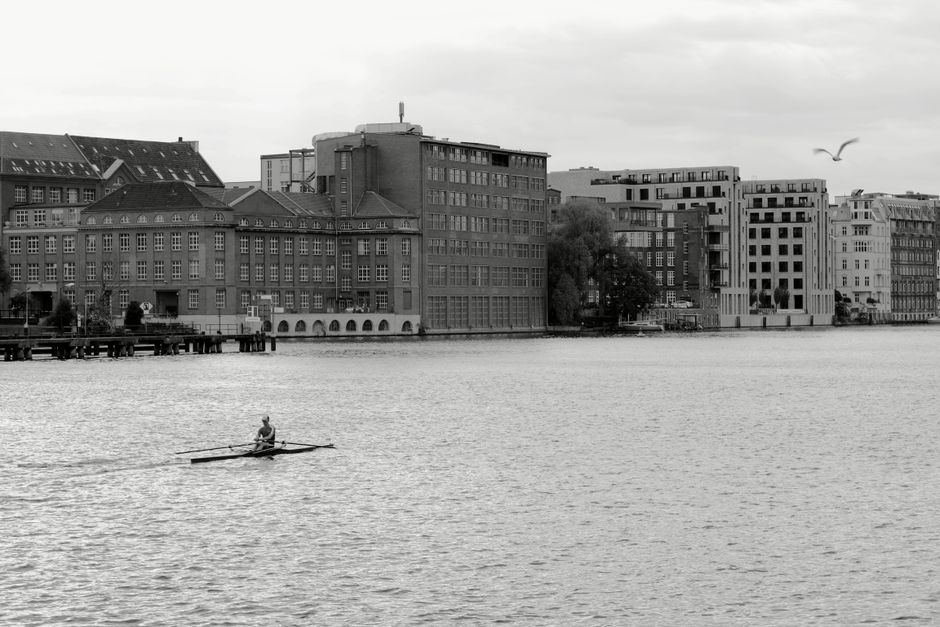
On any given Saturday morning, the paths around the Rummelsburger Bucht in Friedrichshain pulse with cyclists and runners converging from across Berlin. What began five years ago as informal meetups has evolved into a thriving ecosystem of clubs that are doing far more than clocking kilometres—they're redefining community in a city often characterised by transience and fragmentation.
The numbers tell the story. Berlin's triathlon clubs have grown by roughly 40 per cent since 2022, according to data from the Berlin Sports Association. The Charlottenburg Cycling Club now counts over 800 active members, while running clubs in Wedding and Neukölln have expanded so rapidly they've had to split evening sessions into multiple cohorts. These aren't elite training grounds; they're neighbourhoods binding themselves together through sweat and shared purpose.
"What we've noticed," says one administrator at a longstanding Prenzlauer Berg running collective, "is that people aren't just looking for fitness. They're looking for belonging." The club, which meets three times weekly near Kollwitzplatz, has become a social hub where newcomers to Berlin find their first stable group of friends, where parents juggle childcare alongside training, where conversations shift seamlessly from pace targets to apartment recommendations.
The infrastructure supporting this boom is equally impressive. Indoor cycling studios have emerged across Mitte and Tempelhof, offering structured classes alongside the traditional outdoor scene. Triathlon clubs operate from facilities along the Müggelsee in Köpenick, with water-based training accessible year-round. Membership fees typically range from €15 to €35 monthly, making participation broadly accessible rather than exclusive.
What distinguishes Berlin's endurance culture from other major cities is its integration into neighbourhood identity. The Tempelhofer Feld remains the spiritual centre for runners and cyclists—its vast, flat expanses drawing thousands daily—but increasingly, clubs are rooted in specific districts. They train locally, socialise locally, build local identity.
Club organisers report unexpected benefits. Mental health improvements among members are palpable; isolation, a persistent urban challenge, dissolves through repeated training partnerships. Integration outcomes for migrant communities have proven particularly strong, with several clubs deliberately creating welcoming structures for newcomers regardless of language or background.
As Berlin's reputation as a endurance sports destination grows, the underlying story isn't about professional athletes or competitive glory. It's about ordinary Berliners discovering that a shared running route, a weekly cycling squad, or a triathlon training plan can be the scaffolding for genuine community. In a sprawling metropolis, these clubs have become anchors—places where distance is measured in kilometres, and connection is measured in friendships that last.
This article was compiled by AI from the sources linked above and screened before publishing. See our editorial standards.
How does this story make you feel?
Spread the word
About this article
Published by The Daily Berlin
Daily brief
Free, in your inbox before 7am. Weekdays.
More in Sport