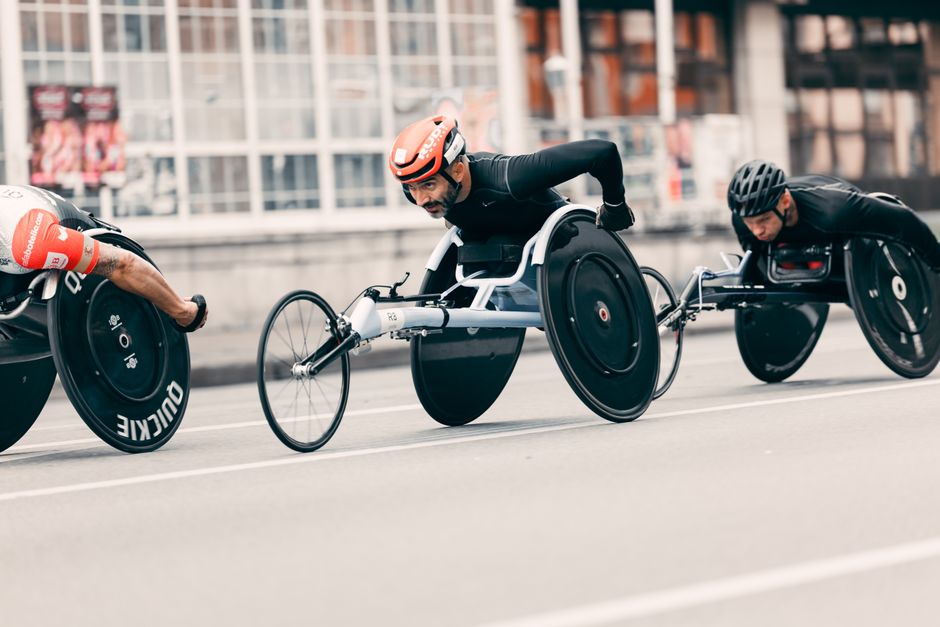
When you walk through Kreuzberg on a Tuesday evening, the sound of basketballs bouncing off asphalt echoes between pre-war apartment blocks. At the Mehringdamm sports court, where membership costs just €45 annually, young athletes from two dozen nationalities sharpen their skills under sodium lights, many dreaming of professional careers. This is the real story of Berlin's sporting renaissance—not the headline-grabbing events at major stadiums, but the unglamorous work happening in playgrounds, community centres, and converted warehouse spaces across the city.
Berlin's sporting infrastructure has undergone a remarkable transformation since 2015, driven largely by grassroots organisations rather than municipal investment. The Charlottenburg district's RunnerHub, established by volunteers in a renovated factory on Spandauer Damm, now hosts over 800 amateur runners weekly. Elsewhere, in Friedrichshain's RAW-Gelände, a former railway yard has become a hub for parkour, skateboarding, and climbing—all coordinated by unpaid community coordinators who've secured modest sponsorships from local businesses.
The numbers tell an compelling story. According to the Berlin Sports Association, community-organised athletic programmes have grown by 62% over the past five years, with participation now exceeding 180,000 residents. Yet funding remains precarious. Most grassroots initiatives operate on budgets under €50,000 annually, with organisers frequently dipping into personal savings to maintain facilities and purchase equipment.
The Tempelhof Feld, Berlin's sprawling former airport now open to the public, has become emblematic of this movement. What began as informal cycling and running groups in 2015 has evolved into a coordinated network of over forty community sports organisations—from handball collectives in Neukölln to rowing clubs utilising the Landwehr Canal. None of these groups could have flourished without the democratic decision-making that prioritised public access over commercialisation.
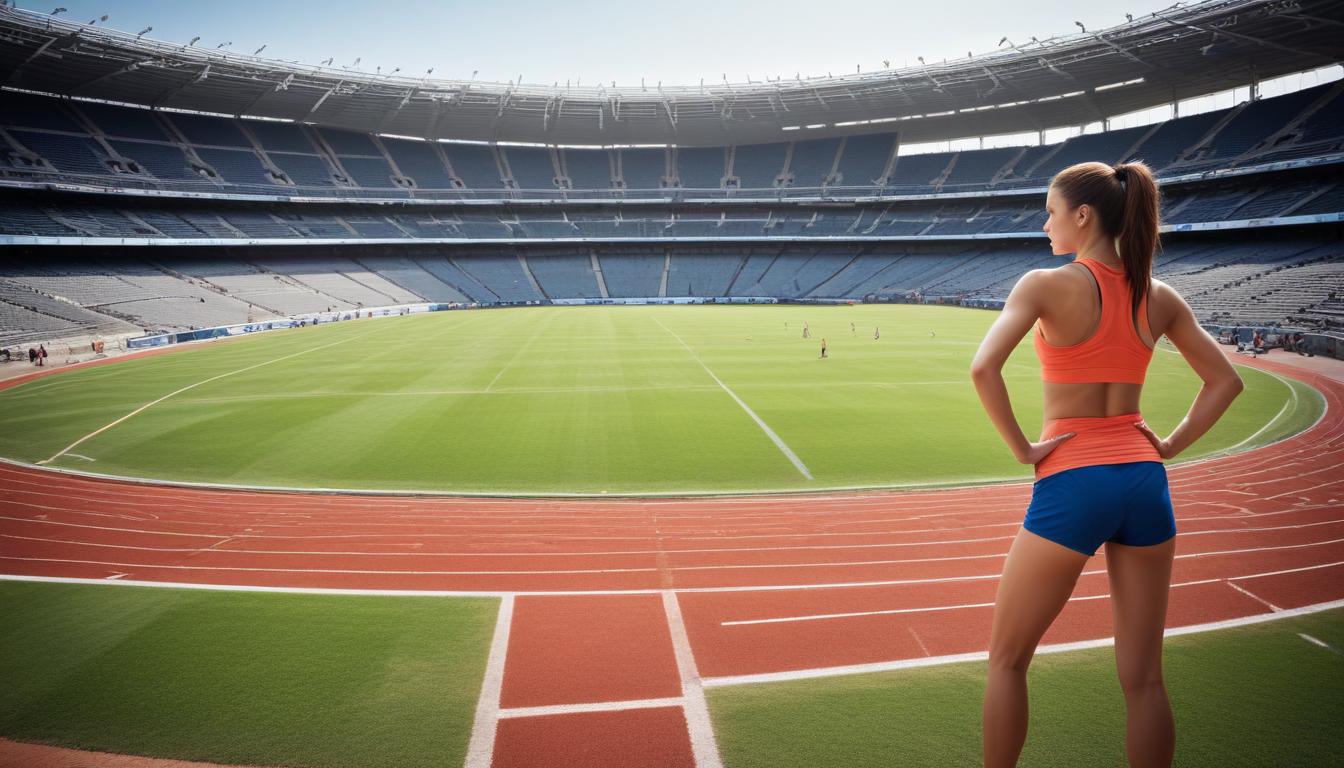
Yet tension simmers beneath the surface. As major venues like the Olympiastadion and O2 World command sponsorship millions, grassroots organisations struggle for visibility and resources. The closure of three community swimming facilities in Wedding and Marzahn over the past eighteen months has forced hundreds of young swimmers into private clubs, raising concerns about equity in youth development.
Still, Berlin's community sport leaders remain undeterred. They've built something the city's major stadiums cannot: sustainable, inclusive athletic cultures that belong to neighbourhoods, not corporations. As Berlin eyes future international sporting events, these unsung organisers—the volunteers, coaches, and activists working in the shadows of Olympic monuments—represent the city's truest sporting legacy.
This article was compiled by AI and screened before publishing. See our editorial standards.