Your Guide to Playing Football in Berlin: How to Get Involved and What You Need to Know to Start
From Kreuzberg kickabouts to Charlottenburg's amateur leagues, Berlin's football culture welcomes newcomers—here's everything beginners need to know.
From Kreuzberg kickabouts to Charlottenburg's amateur leagues, Berlin's football culture welcomes newcomers—here's everything beginners need to know.
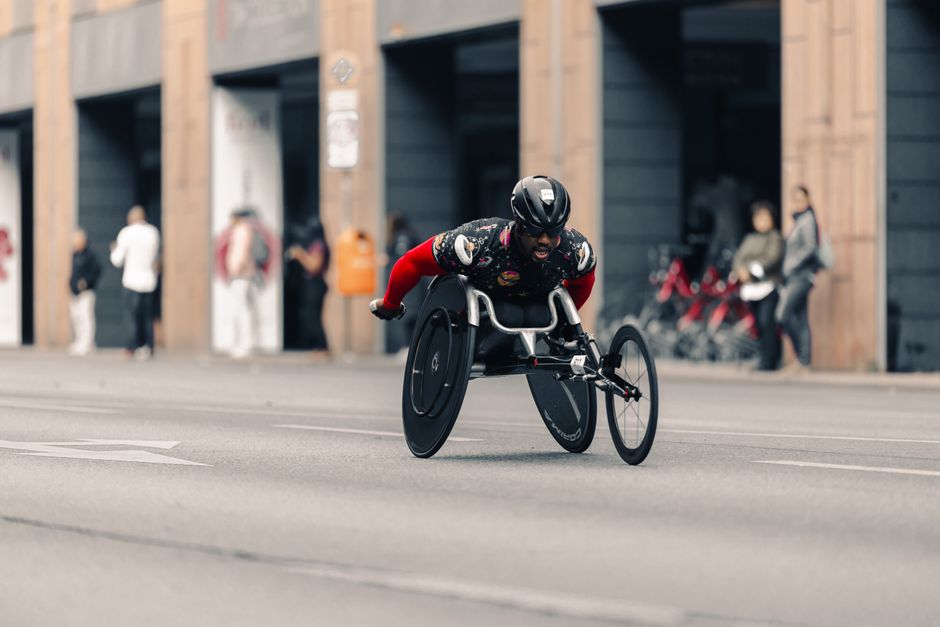
Berlin's football scene pulses far beyond the Olympiastadion. Whether you're a complete beginner or returning to the sport after years away, Germany's capital offers accessible pathways into organised football that won't demand professional experience—or drain your wallet.
The entry point for most Berliners begins with neighbourhood clubs. The city's district-based system means you'll find registered clubs in nearly every corner: Kreuzberg has several heritage clubs with strong grassroots programmes, while Charlottenburg and Spandau boast thriving amateur leagues. Registration typically costs €80–150 annually, covering affiliation with the Berlin Football Association (Berliner Fußball Verband) and basic liability insurance. Most clubs ask for an additional €10–20 monthly membership fee.
Start by checking the BFV's online directory at bfv.de, where you can filter clubs by district and playing level. Contact the club's training coordinator directly—they're usually volunteers juggling day jobs, so emails work better than phone calls. Be honest about your experience. Berlin's recreational divisions specifically cater to adult players returning to football, with leagues organised by age group and skill level.
Equipment requirements are minimal. Football boots aren't mandatory for beginners—many play in trainers for their first season. You'll need shin guards (€15–30), a water bottle, and appropriate kit. Join a club and they'll likely have spare kits available; buying your own set runs €40–60. Gloves matter only in winter, which Berlin's September-to-May season certainly includes.
Training typically happens twice weekly, usually Tuesday and Thursday evenings from 19:30 to 21:00, with weekend matches on Saturdays or Sundays. This rhythm suits working professionals. Fixture lists appear online by August for the new season, though many clubs now use WhatsApp groups for team news.
The commitment barrier is lower than you'd expect. Playing one or two matches monthly is perfectly acceptable; nobody expects year-round dedication in recreational football. Travel is manageable too—Berlin's efficient U-Bahn and S-Bahn networks connect districts efficiently. A match in Tempelhof is genuinely accessible from Köpenick.
One practical note: bring your passport or ID. Even recreational leagues require player verification for insurance purposes. German bureaucracy applies, but it's straightforward once you understand the system.
The real appeal lies in Berlin's diversity. You'll find clubs organised by community, history, and values—some traditional, some progressive, all welcoming to newcomers. The football itself matters less than the connection. Get in touch with a local club this July. Berlin's playing season starts again in August, and the city's football culture genuinely wants you involved.
This article was compiled by AI from the sources linked above and screened before publishing. See our editorial standards.
How does this story make you feel?
Spread the word
About this article
Published by The Daily Berlin
Daily brief
Free, in your inbox before 7am. Weekdays.
More in Sport