Berlin's endurance sports scene is approaching a critical juncture. With the German Triathlon Federation's national finals scheduled for August at Müggelsee in the city's outer reaches, local athletes are intensifying preparations across the capital's sprawling training grounds—from the Landwehr Canal's flat cycling routes to the Grunewald's woodland trails favored by competitive runners.
The numbers suggest genuine momentum. Registration data from Berlin's three major triathlon clubs shows a 34 percent increase in competitive memberships compared to 2025, with particular growth among the 25-35 age bracket. The Berliner Triathlon Club, based near the Olympiastadion in Charlottenburg, has fielded 47 senior athletes for the finals—their highest contingent in eight years. Training camps have become fixtures at facilities across Tempelhof-Schöneberg and Köpenick, where swimmers exploit the city's 2,000-plus lakes.
Cycling clubs centered around Friedrichshain and Kreuzberg report similar enthusiasm. The Berlin velodrome at the Europaplatz hosts weekly competitive sessions, while the Spree riverside routes and the emerging gravel circuits near Potsdam have become testing grounds for athletes seeking podium finishes. Entry fees for regional qualifying events—typically €85 to €145—remain accessible compared to other metropolitan areas, sustaining participation levels across income brackets.
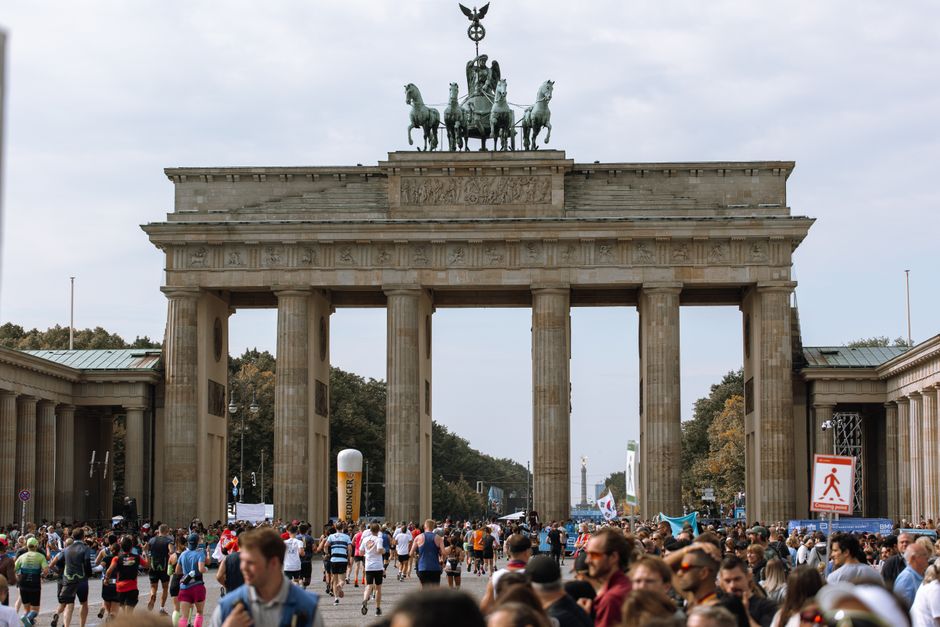
Running, historically Berlin's strongest endurance discipline, shows no signs of decline. The capital's road race circuit, centered on routes through Tiergarten and along the Landwehr Canal towpath, continues attracting elite German distance runners. The Berlin Marathon's legacy—though the main event occurs in September—casts a long shadow over summer preparation schedules. Amateur running clubs report packed evening sessions along the Tempelhofer Feld's 18-kilometer perimeter, where hundreds train under the Brandenburg summer light extending past 9 p.m.
Competition for spots at nationals remains fierce. The qualifying standards for sprint distance triathlon sit at 1:15:00 for men and 1:22:00 for women—times achievable but demanding rigorous training blocks. The August finals represent not merely a destination but a proving ground: performance here directly influences selection for European championships in September.
Local coaching networks, particularly those operating from Prenzlauer Berg and Wedding, report full rosters. Sports science support has expanded, with several clinics offering lactate threshold testing and VO₂ max assessments at competitive rates—a development reflecting Berlin's professionalization of amateur endurance sport.
The question facing Berlin's athletes is straightforward: can the capital's training depth and infrastructure translate into tangible success when it matters most?
This article was compiled by AI from the sources linked above and screened before publishing. See our editorial standards.