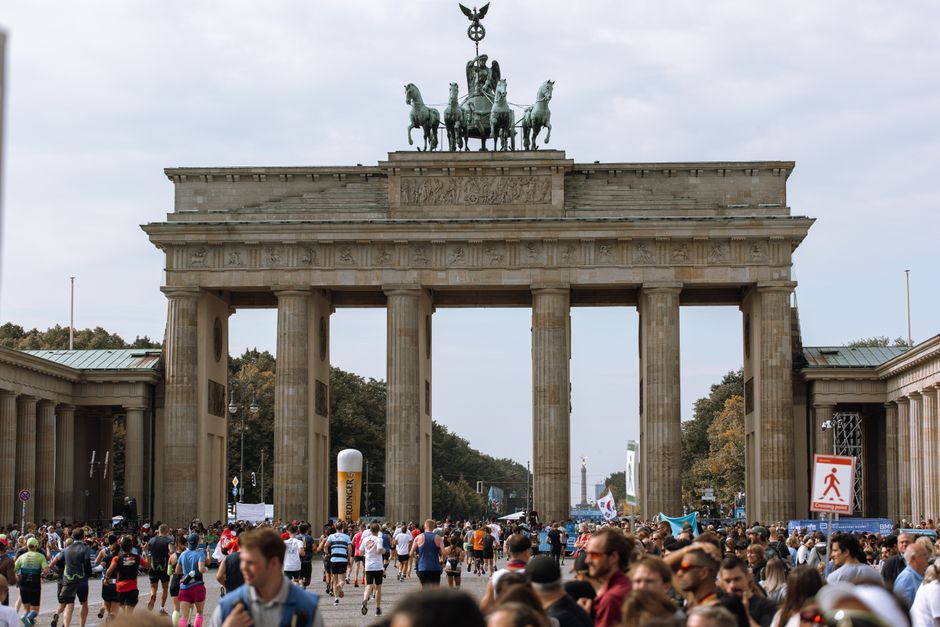
On any given Tuesday evening, the Landwehr Canal path transforms into an informal highway of lycra and determination. Joggers peel off from their evening commutes, cyclists emerge from office buildings, and small clusters of endurance athletes coalesce into something resembling a movement. This is Berlin's quiet sporting revolution—and it's happening in neighbourhood clubs rather than elite facilities.
The numbers tell the story. Berlin's running clubs have seen membership surge by approximately 35% since 2023, according to data from the local sports authority. The Berliner Laufclub network, with chapters spanning Friedrichshain, Neukölln, and Prenzlauer Berg, now counts over 8,000 active members. Weekend long runs regularly draw 200-plus participants, transforming streets like those around Tiergarten into impromptu sporting communities.
"What's changed is the social dimension," explains the ecosystem around clubs like Radsport Kreuzberg, which operates from a modest workshop near Mehringdamm. Founded just five years ago with a handful of volunteers, the club now hosts weekly group rides, mechanical workshops, and monthly social events. Membership costs roughly €40 annually—deliberately kept low to remove barriers.
Triathlon clubs are experiencing similar growth. TSV Charlottenburg, based near the historic palace, has expanded from 120 members in 2023 to over 420 today. Their appeal extends beyond competitive athletes; beginner programmes at Müggelsee and Tegeler See—Berlin's training grounds—emphasize sustainability and enjoyment over performance metrics. A ten-week beginner course costs around €120.
The infrastructure supporting these clubs reflects evolving priorities. The Spandauer Forst cycling hub, established two years ago, provides bike maintenance facilities and social space. Grunewald's running trail network, upgraded in 2025, now features water stations and waymarking designed by club volunteers. These aren't corporate installations; they're community-built.
What distinguishes Berlin's endurance scene is its deliberate inclusivity. Many clubs actively recruit across age groups and fitness levels. The Tempelhof Cycling Collective explicitly welcomes people aged 8 to 80. Running groups in Wedding and Marzahn specifically design routes and paces for newcomers, recognizing that traditional barriers—intimidation, cost, complexity—deterred participation historically.
Local businesses have noticed. Cafés along the Spree now strategically position themselves near morning running routes. Bike shops report steady traffic from club members seeking advice. The economic ripple effects prove modest but meaningful for small retailers.
As Berlin's endurance clubs continue expanding, they're answering a deeper question about urban life: how do modern cities foster genuine community? The answer, it seems, involves good shoes, consistent effort, and neighbours willing to sweat together.
This article was compiled by AI from the sources linked above and screened before publishing. See our editorial standards.