On Saturday mornings along the Landwehr Canal, between the converted warehouses of Friedrichshain and the leafy paths of Tiergarten, Berlin's endurance revolution moves at a deliberately human pace. There are no corporate sponsorships here, no elite qualifying standards. Instead, clusters of runners in worn trainers gather at community hubs like the Kreuzberg Sports Collective and Tempelhof Field's informal cycling circuits, united by something increasingly rare in competitive athletics: genuine accessibility.
This grassroots movement has become the backbone of Berlin's sporting identity. According to data from the city's sports council, participation in amateur running clubs has grown 34% since 2022, while triathlon clubs across Mitte, Neukölln, and Lichtenberg report waiting lists for membership. The economics are deliberately modest. Monthly fees at most community cycling groups run €8-15, while triathlon training collectives in Wedding and Charlottenburg operate on donation models, keeping barriers to entry deliberately low.
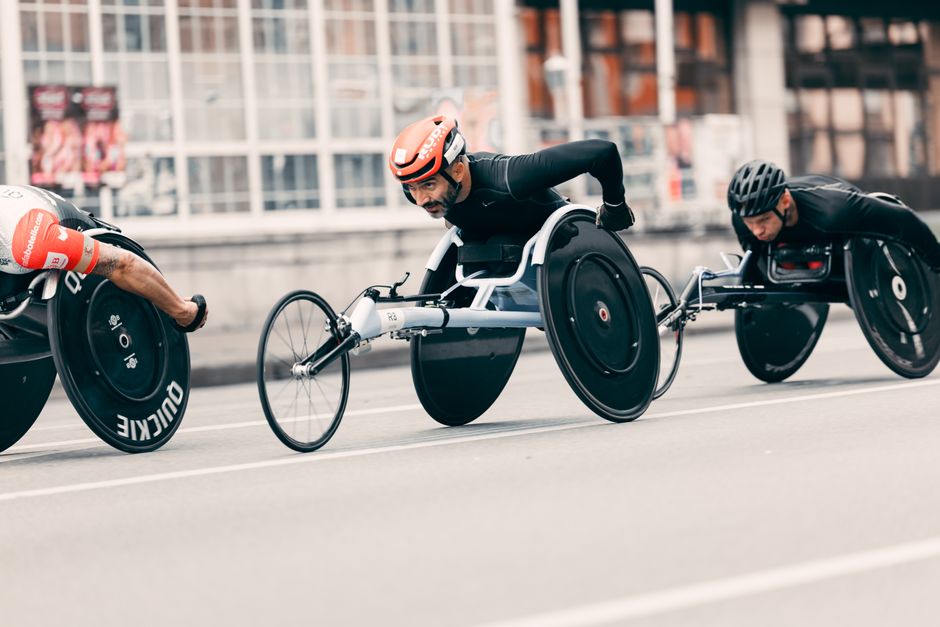
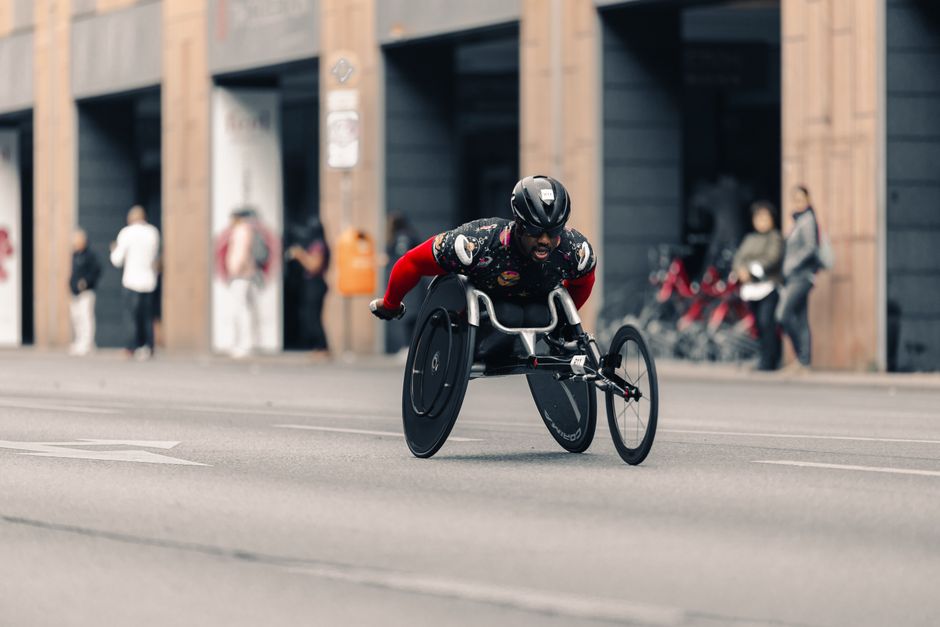
The story is not about elite performances, though Berlin has produced several notable endurance athletes. Rather, it reflects a deliberate counter-movement to professionalized sport. At venues like the Müggelsee outdoor circuit in Köpenick, and along the Spree's dedicated paths in Kreuzberg, organisers have built infrastructure focused on inclusion rather than competition ranking. Women-only running collectives now operate across twelve neighbourhoods. Adaptive cycling groups cater specifically to participants with mobility challenges. Age remains irrelevant—sessions routinely feature teenagers training alongside retirees.
What distinguishes Berlin's approach is organisational philosophy. Unlike traditional clubs with hierarchical structures, many grassroots collectives operate as cooperative networks. The Charlottenburg Triathlon Collective, founded in 2019 by five friends meeting at a Spandauer Damm gym, now attracts 400 members through transparent governance and volunteer-led coaching. Training plans circulate freely on shared digital boards. Experienced athletes mentor newcomers without formal certification requirements. Social elements matter equally to athletic development—post-training coffee at neighbourhood cafés has become as essential as interval sessions.
Recent months have intensified this movement's visibility. Berlin's participation in grassroots endurance sports now exceeds many European capitals proportionally. What began as informal meetups in Kreuzberg basements has evolved into structured but fundamentally democratic communities reshaping how ordinary Berliners understand fitness and belonging.
The grassroots endurance movement asks a simple question: whose sport is this? In Berlin, increasingly, the answer is everyone's.
This article was compiled by AI from the sources linked above and screened before publishing. See our editorial standards.