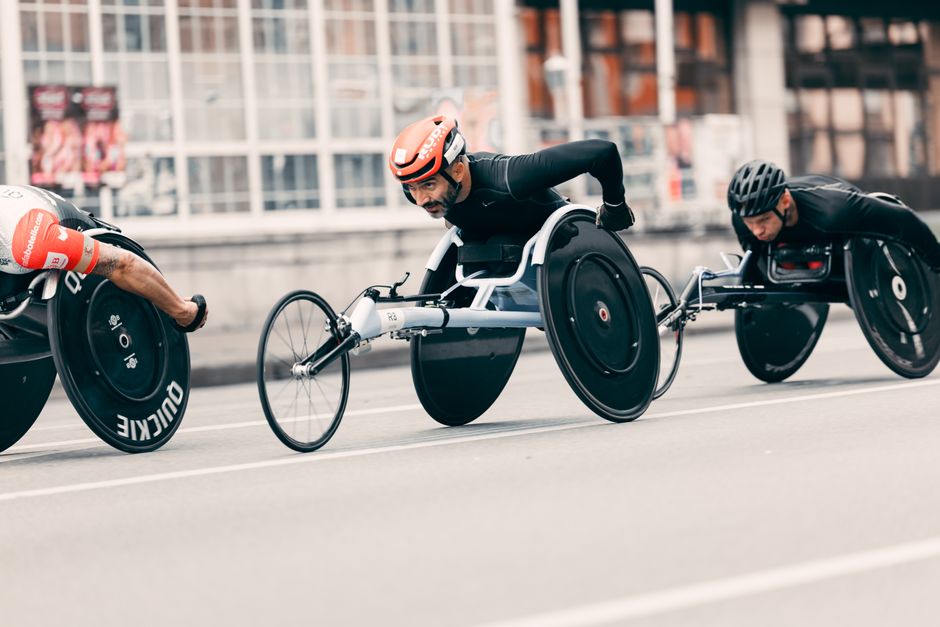
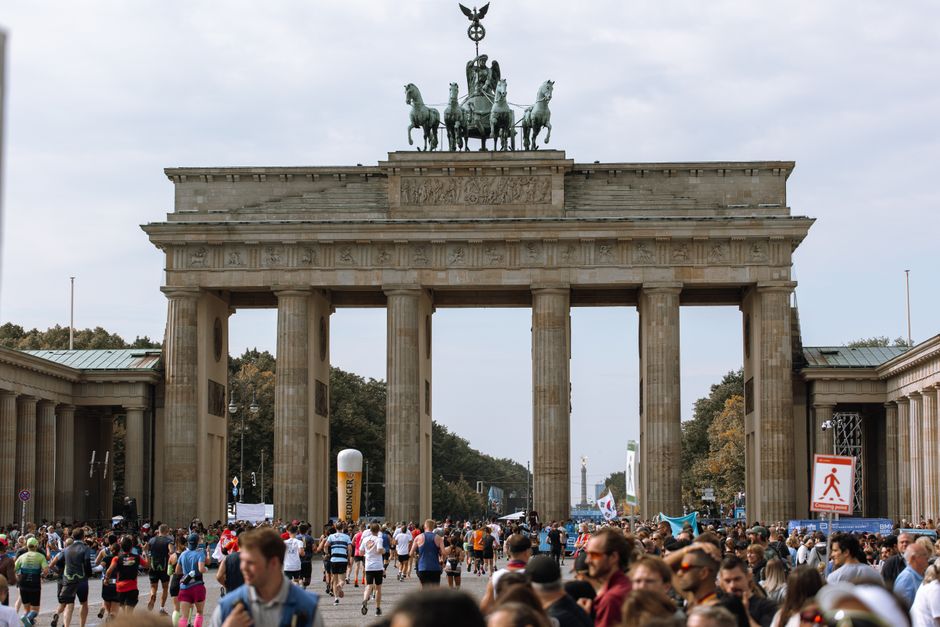
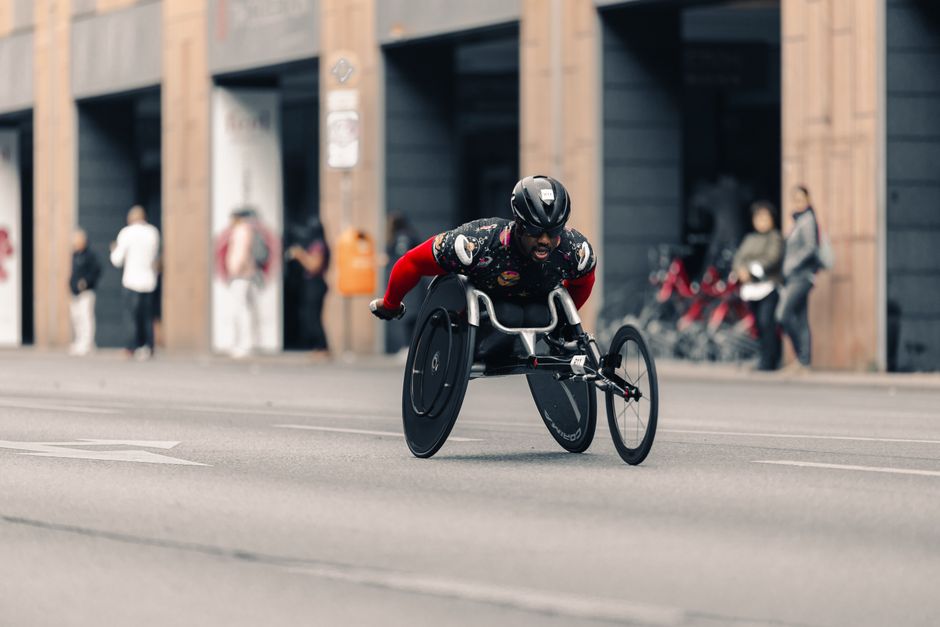
On any Tuesday evening, the Landwehr Canal path becomes a ribbon of neon-clad runners as members of Kreuzberg Runners gather for their weekly tempo session. What began in 2019 as a WhatsApp group of eight neighbours has grown to over 400 active participants, most of whom pay nothing to join. This quietly radical model—community-driven, self-organised, and decidedly unglamorous—now defines Berlin's endurance sport landscape.
The numbers tell a striking story. According to the Berlin Running Association, registered running club memberships have surged 67 per cent since 2021, yet the majority of participants belong to informal groups rather than traditional Vereine. Similarly, cycling collectives like Friedrichshain Fixed Gear and the Treptow Triathlon Initiative operate without permanent venues, using public spaces from Tiergarten to the Müggelsee as their training grounds.
"We don't have the financial resources of Munich or Hamburg clubs," explains one Spandau-based cycling organiser. "But we have something better: people who genuinely want to be here." Entry fees for organised events average €8-15, compared to €40+ at commercial gyms. Equipment swaps happen in community centres on the Kurfürstendamm; coaching clinics meet in Neukölln parks; triathlon training uses the Plötzensee open-water swimming area at no cost.
The movement reflects deeper demographic shifts. Berlin's median age skews younger than other German cities, and many residents lack car ownership, making running and cycling natural transport solutions that evolved into sport. The city's post-industrial landscape—former factory sites, decommissioned rail corridors, reclaimed waterfront spaces—provides free training infrastructure that wealthier cities must build expensively.
Official institutions have begun recognising this grassroots momentum. The Berlin Sports Office now allocates €2.3 million annually to community-run initiatives, up from €400,000 in 2020. Yet volunteer burnout remains acute; most club organisers juggle day jobs while managing logistics, safety protocols, and membership administration unpaid.
What distinguishes Berlin's model is its resistance to commercialisation. Unlike major running cities where corporate sponsorship dominates, Berlin's endurance culture remains stubbornly amateur in the truest sense—pursued for love rather than profit. As the city prepares to host more international endurance events, that ethos faces its greatest test: whether grassroots passion can survive the arrival of professional infrastructure, or whether the Wednesday night runs through Charlottenburg will ultimately vanish into sponsorship deals and corporate leisure.
This article was compiled by AI from the sources linked above and screened before publishing. See our editorial standards.