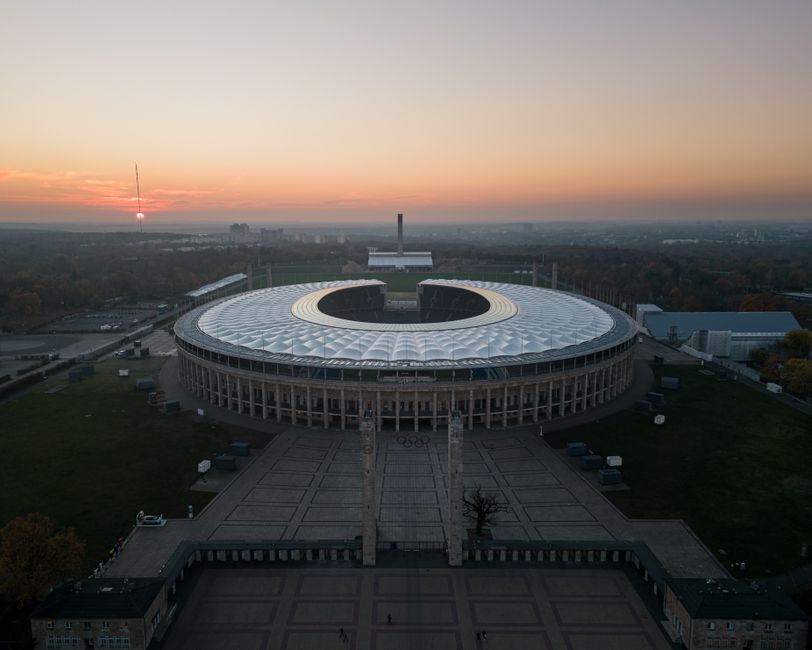
Berlin's sports infrastructure has undergone a quiet transformation over the past five years, with the city investing heavily in facilities that now rival anything across continental Europe. The Olympiastadion in Charlottenburg remains the jewel in the crown—its 74,000-capacity venue continues to host international athletics competitions and football fixtures, while recent renovations have modernised its hospitality and accessibility standards to meet current demands.
Yet the story extends far beyond the iconic stadium. The city's decentralised approach to sports infrastructure has created thriving hubs across multiple neighbourhoods. In Köpenick, the Stadion An der Alten Försterei—home to 1. FC Union Berlin—underwent significant expansion to increase capacity to 37,500, reflecting the club's Bundesliga ambitions. Meanwhile, Hertha BSC's Olympiastadion remains a focal point for professional football infrastructure discussions.
The Velodrom in Friedrichshain represents another cornerstone facility, hosting track cycling events and serving as a training base for elite German cyclists. Built originally for the 2000 Olympics, its ongoing €60 million modernisation programme demonstrates Berlin's commitment to maintaining world-class infrastructure. Just nearby, the Schwimm- und Sprunghalle im Europaplatz provides Olympic-standard aquatic facilities, essential for developing Germany's swimming talent pipeline.
Beyond individual venues, Berlin's interconnected sports infrastructure network deserves recognition. The city operates approximately 1,200 sports clubs and around 350 municipal sports facilities, ranging from neighbourhood gyms to specialised training centres. The Trainingszentrum Eberswalde, 50 kilometres north, functions as a satellite facility for endurance athletes preparing for major competitions.
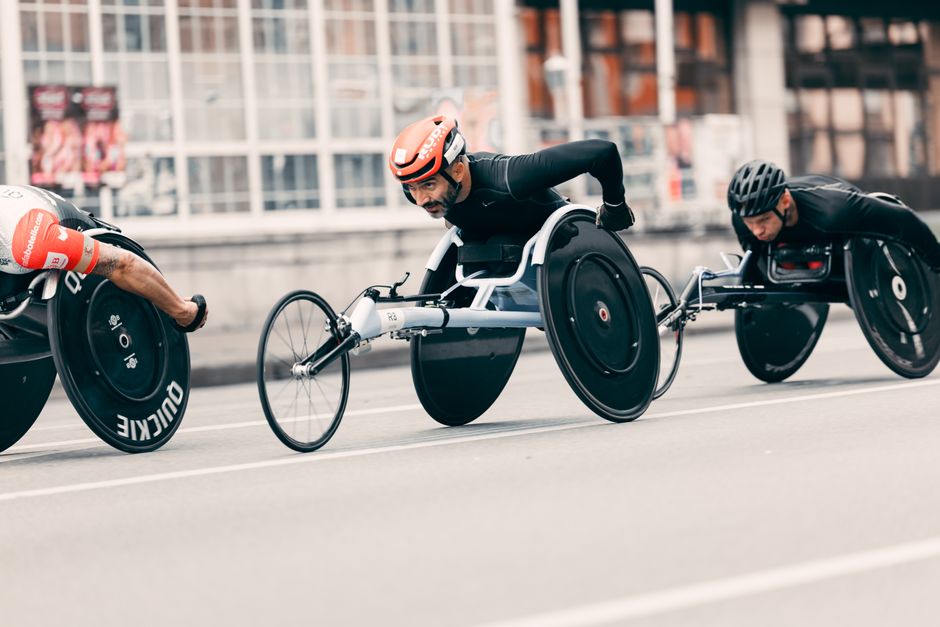
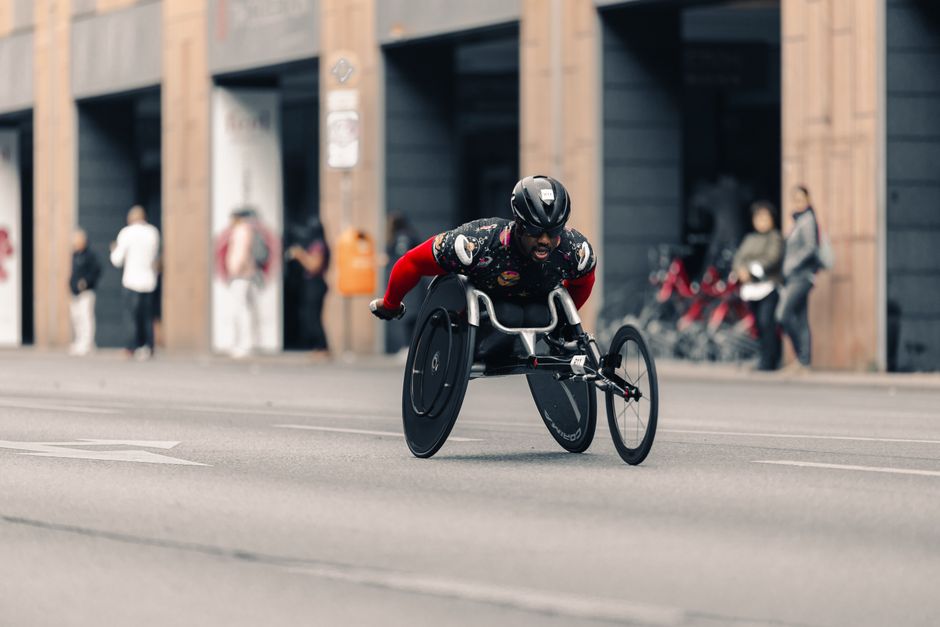
Investment in accessible infrastructure has been particularly noteworthy. New coaching facilities, rehabilitation centres, and athlete performance hubs have sprouted across Prenzlauer Berg and Tempelhof-Schöneberg, creating opportunities for both elite and grassroots participants. The Berlin Olympic Park's broader redevelopment plans indicate continued expansion, with mixed-use spaces increasingly supporting athletic development alongside community recreation.
However, challenges remain. Municipal budgets face pressure from competing civic priorities, and some neighbourhoods still lack adequate sports facilities. Transport connections—while improving—require further enhancement to maximise accessibility to peripheral venues.
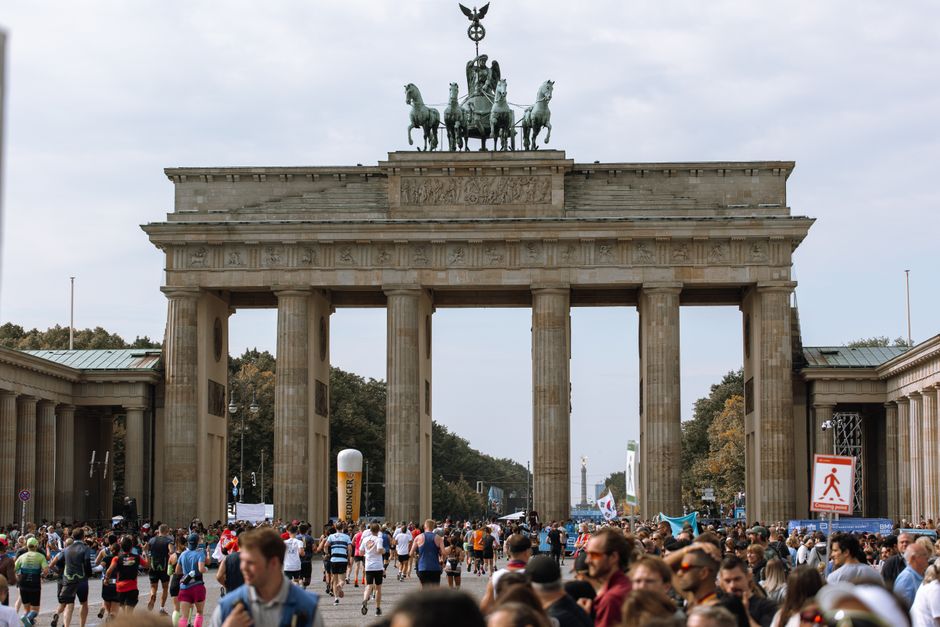
As Berlin positions itself for potential future Olympic bids and continues hosting world-class sporting events, the city's infrastructure foundation appears increasingly robust. The combination of heritage venues and cutting-edge facilities creates a compelling case study in how urban sporting investment supports both elite competition and community wellbeing.
This article was compiled by AI from the sources linked above and screened before publishing. See our editorial standards.