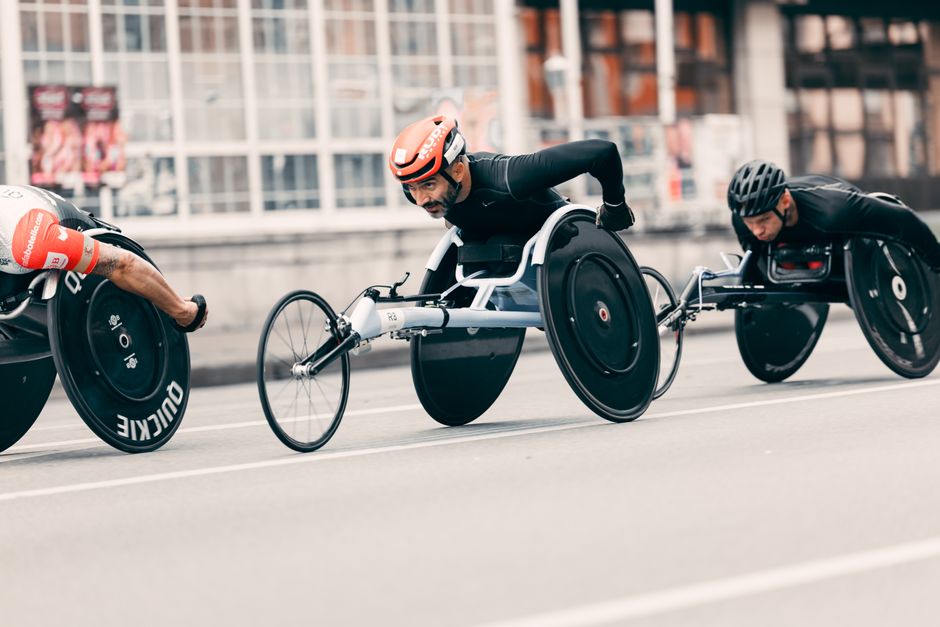
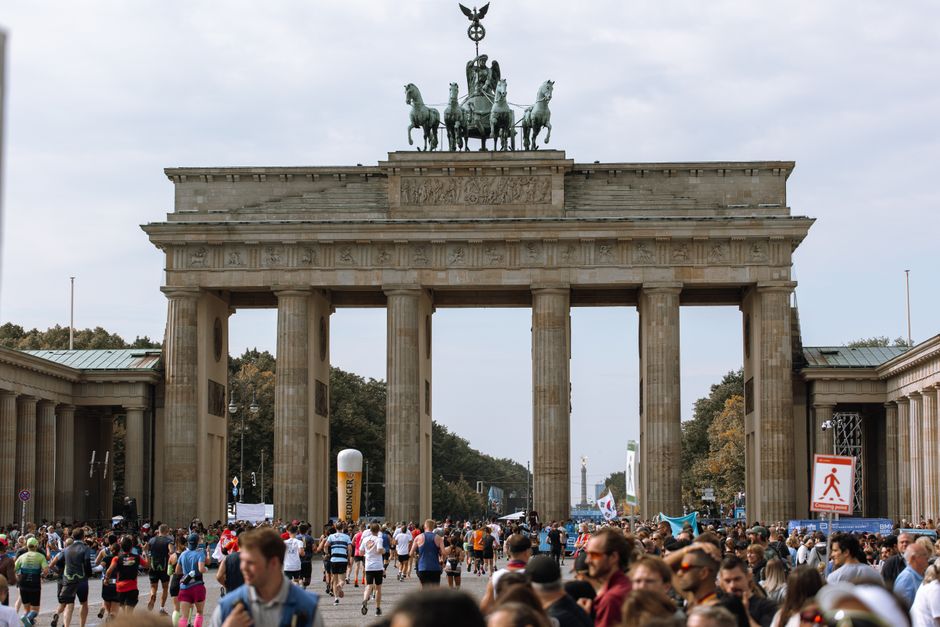
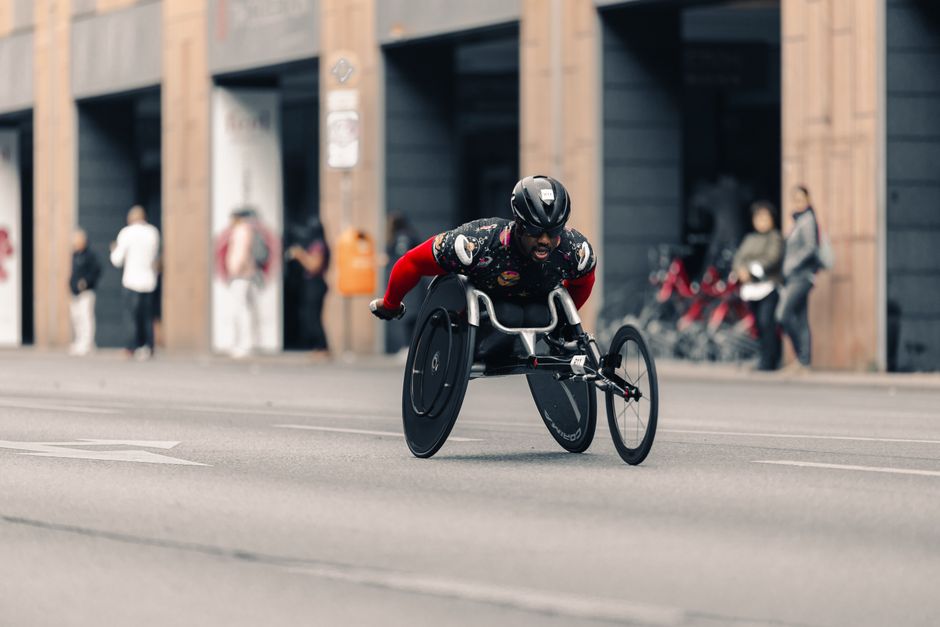
The second half of 2026 represents crunch time for Berlin's endurance sports community. With national and international championships looming across running, cycling and triathlon disciplines, the city's dedicated athletes are intensifying their preparation on familiar routes—from the Tiergarten's winding paths to the Spandauer Forst's technical trails.
The Berlin Marathon, scheduled for September 27th, traditionally draws 40,000 participants and serves as the unofficial capstone to Germany's running season. This year's roster already suggests competitive depth, with domestic qualifiers for the European Championships in Rome creating additional pressure. Training groups around the Landwehr Canal and through Charlottenburg have reported 30 percent higher attendance than last summer, according to local running clubs affiliated with the Berlin Athletics Association.
Cycling offers equally compelling storylines. The German Track Cycling Championships in August will showcase Berlin's velodrome culture, while road racers are targeting the Cyclassics series across Europe. The city's gravel and mountain bike scene has exploded following investments in new trail networks around Grunewald and the Müggelsee region, attracting younger competitors into endurance disciplines.
Triathlon presents perhaps the most intriguing narrative. The Berlin Triathlon Series culminates with its flagship event in August at Müggelsee, featuring Olympic-distance and sprint categories that traditionally attract 1,500 competitors. Participation fees range from €89 for sprint distance to €149 for Olympic, with local clubs offering structured training camps throughout July. Several Berlin-based triathletes are targeting World Cup slots, intensifying the domestic competitive environment.
Infrastructure developments have transformed training conditions. The recently completed cycling superhighway along the Spree from Friedrichshain to Charlottenburg has reduced commute times while creating faster training corridors. Meanwhile, the expanded Plötzensee open-water swimming facility now operates year-round temperature-controlled lanes, enabling serious swimmers to build endurance volume during typically challenging months.
Coaching infrastructure has similarly matured. The Humboldt-Universität's Sport Science Institute partners with several local clubs, providing physiological testing and periodisation guidance. Several athletes have reported VO₂ max improvements of 8-12 percent through structured summer training blocks.
For casual enthusiasts, the competitive intensity at elite levels has democratized access. Running clubs like Berliner Lauftreff and cycling groups through local Volkshochschulen offer structured training for €40-60 monthly, while triathlon clubs provide beginner programs starting at €30. The finals season, while generating elite-level drama, simultaneously energizes grassroots participation across the city's endurance sports ecosystem.
This article was compiled by AI from the sources linked above and screened before publishing. See our editorial standards.