Hertha BSC Eyes European Glory as New Season Promises Redemption at the Olympiastadion
After a tumultuous 2025–26 campaign, Berlin's flagship club enters summer with fresh ambition and a restructured squad aiming to reclaim continental football.
After a tumultuous 2025–26 campaign, Berlin's flagship club enters summer with fresh ambition and a restructured squad aiming to reclaim continental football.
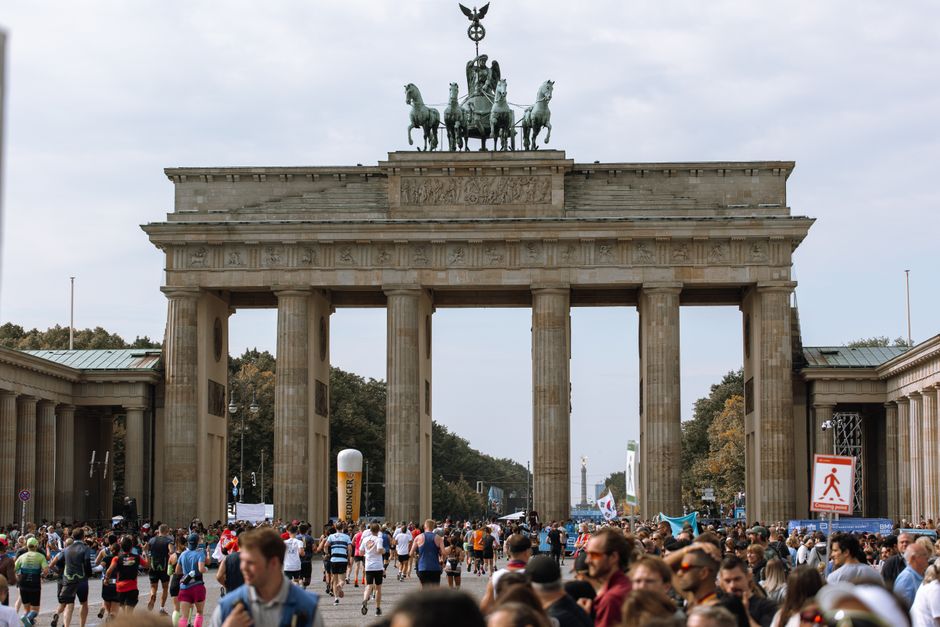
The Olympiastadion's iconic arches will frame a new chapter for Hertha BSC this autumn, as the club's hierarchy attempts to steer the ship away from the doldrums that have plagued recent seasons. With less than three months before the Bundesliga kicks off in August, the sense of cautious optimism in Charlottenburg is palpable—and justified.
The Berlin club's performance trajectory has resembled a wounded beast limping toward recovery. Last season's mid-table finish, while respectable on paper, masked deeper structural problems: aging infrastructure, inconsistent recruitment, and a fanbase increasingly fractured between the traditionalists in the Ostkurve and the modern-money brigade. Yet new sporting director Henrik Kraft's appointment signals a deliberate shift toward sustainable, forward-thinking management.
What matters most now, however, is this summer's transfer window. Hertha has already secured promising defensive additions from the Austrian Bundesliga, whilst the scouting apparatus—revamped across several key positions—has shifted focus toward younger talent capable of holding value. The pre-season tour through Poland and Scandinavia will prove revealing; fans monitoring performance through official channels expect a more cohesive unit by the time Hertha faces their opening fixture.
The financial reality remains sobering. Season-ticket prices at the Olympiastadion have held steady at €280–€520, reflecting the club's commitment to accessibility even as rival Berlin outfits command premium rates. Average home attendance last season hovered around 42,000—respectable, yet leaving roughly 32,000 seats empty in a stadium capable of hosting 75,000. Recapturing that lost audience hinges entirely on visible sporting progress.
European football is the stated ambition. A sustained push toward the European places—finishing fifth or higher—would unlock both continental revenue and the psychological lift the club desperately needs. The Pokal remains an unpredictable avenue; Hertha's defensive fragility last season (49 goals conceded) must improve dramatically if they're to mount any serious domestic cup challenge.
Across the city in Köpenick and Neukölln, Union Berlin's ultra-organized structure continues to mock Hertha's sprawling bureaucracy. Yet resources, when deployed intelligently, matter. Kraft's mandate is clear: restore credibility, stabilize finances, and field a team worthy of Berlin's largest city status.
The Olympiastadion awaits. Come August, we'll know whether this new beginning is genuine or merely the latest false dawn for a club caught between nostalgia and necessity.
This article was compiled by AI from the sources linked above and screened before publishing. See our editorial standards.
How does this story make you feel?
Spread the word
About this article
Published by The Daily Berlin
Daily brief
Free, in your inbox before 7am. Weekdays.
More in Sport