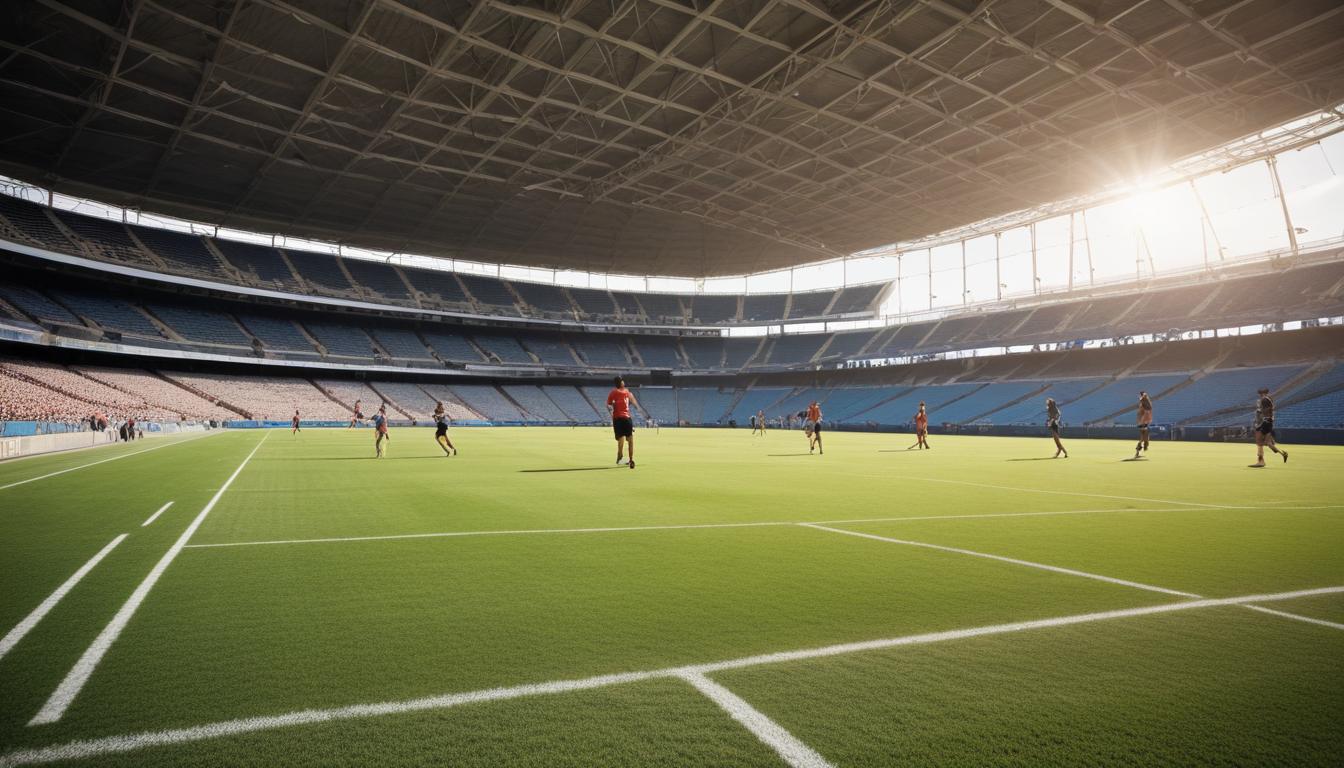
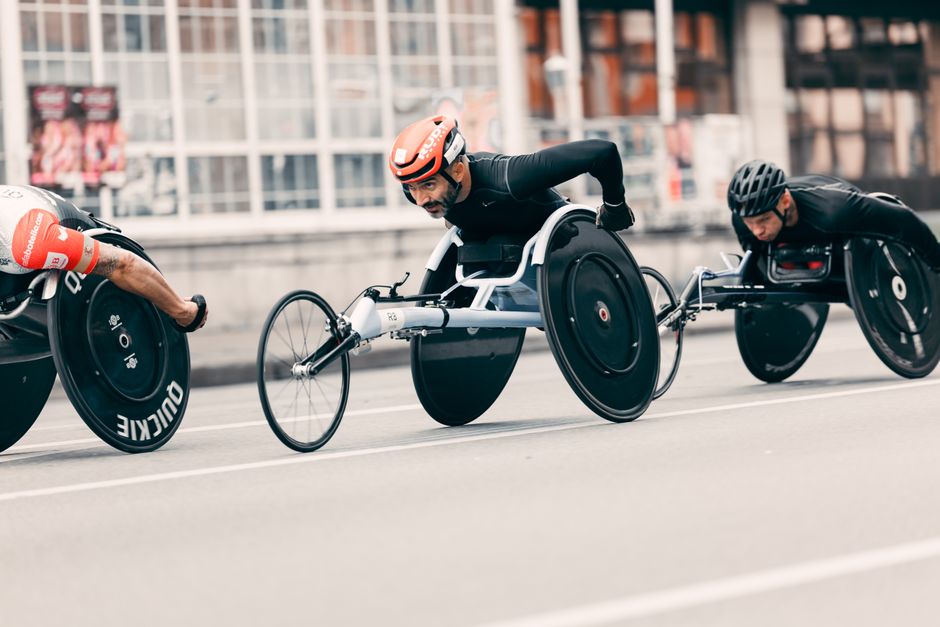
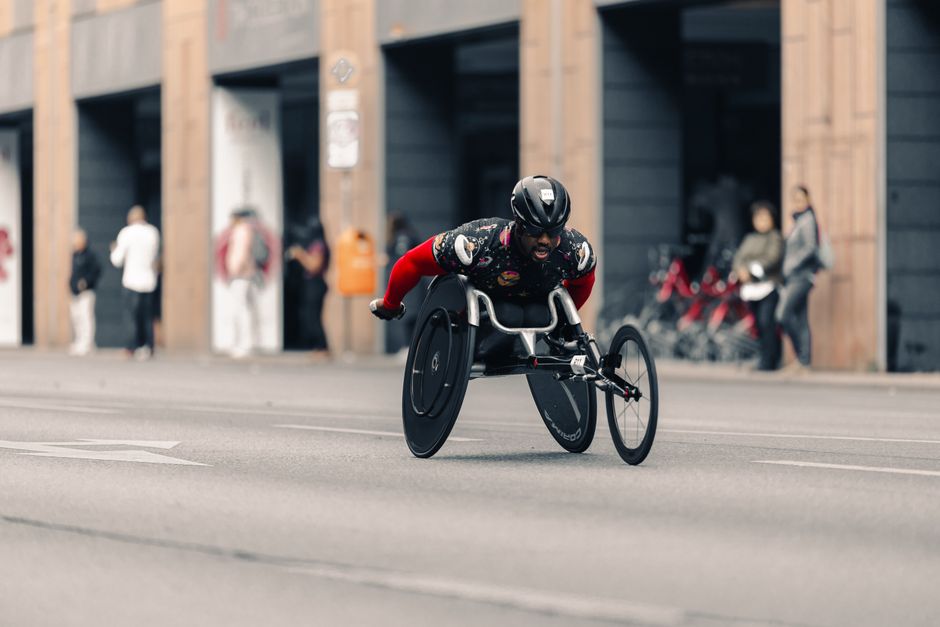
Walk past the Tempelhofer Feld on a Saturday morning and you'll see them: dozens of children in mismatched kits, their parents clustered along makeshift sidelines, cheering goals scored on fields that cost nothing to use. This is Berlin's grassroots sport movement in its purest form—unglamorous, underfunded, and absolutely vital.
The numbers tell a story. According to the Berlin Sports Association, approximately 850,000 Berliners belong to registered sports clubs, yet fewer than half are under 18. Youth engagement has plateaued at around 23 percent of the city's younger population, a figure that alarms administrators but galvanises community organisers across Kreuzberg, Neuköln and Wedding, where access barriers remain highest.
At Sportverein Neukölln, nestled near the Neukölln Arcaden shopping centre, membership costs just €8 monthly for youth—a deliberate policy born from necessity. "Our neighbourhood has high unemployment and migration," explains a club official. "If we charge €40, we lose half our kids." The club runs 16 youth teams across football, handball and volleyball, serving roughly 400 young people. Similar models operate across Mitte's grassroots clubs, where Turkish, Arab and Eastern European heritage communities have built sport as a genuine integration pathway.
The infrastructure challenges are real. Artificial pitch bookings in central districts now cost €80–120 per hour, forcing clubs toward early morning slots or suburban facilities requiring transport. Yet innovation persists. Vereinigung für Soziales Leben (VSL) in Wedding pioneered free court access through partnerships with schools, unlocking municipal facilities after hours. Their youth programmes—basketball, badminton, athletics—now reach 600 participants annually, many encountering organised sport for the first time.
What distinguishes Berlin's grassroots movement is its deliberate focus on inclusion over performance. While elite academies scout talent, community clubs prioritise belonging. Sportverein Prenzlauer Berg runs inclusive futsal leagues where ability matters less than participation; VSL explicitly targets young people facing social disadvantage. These aren't pipelines to professional sport—they're pathways to habit, discipline and community.
Funding remains precarious. Most clubs survive on membership fees, modest sponsorships and volunteer labour. Berlin's Senate allocates approximately €45 million annually to sports, but grassroots receives proportionally less than elite infrastructure. Yet demand endures. Youth club waiting lists, particularly in Neuköln and Kreuzberg, stretch months.
As national sport debates fixate on medal counts and World Cup campaigns, Berlin's real sporting story unfolds in neighbourhood clubs where €8 monthly opens doors to belonging. That's where champions aren't manufactured—they're nurtured.
This article was compiled by AI from the sources linked above and screened before publishing. See our editorial standards.