Hertha BSC's Olympiastadion Renovation Signals New Era for Berlin's Historic Ground
As the Bundesliga club prepares for the 2026-27 season, a €120 million stadium modernisation project is reshaping one of Germany's most iconic sporting venues.
As the Bundesliga club prepares for the 2026-27 season, a €120 million stadium modernisation project is reshaping one of Germany's most iconic sporting venues.
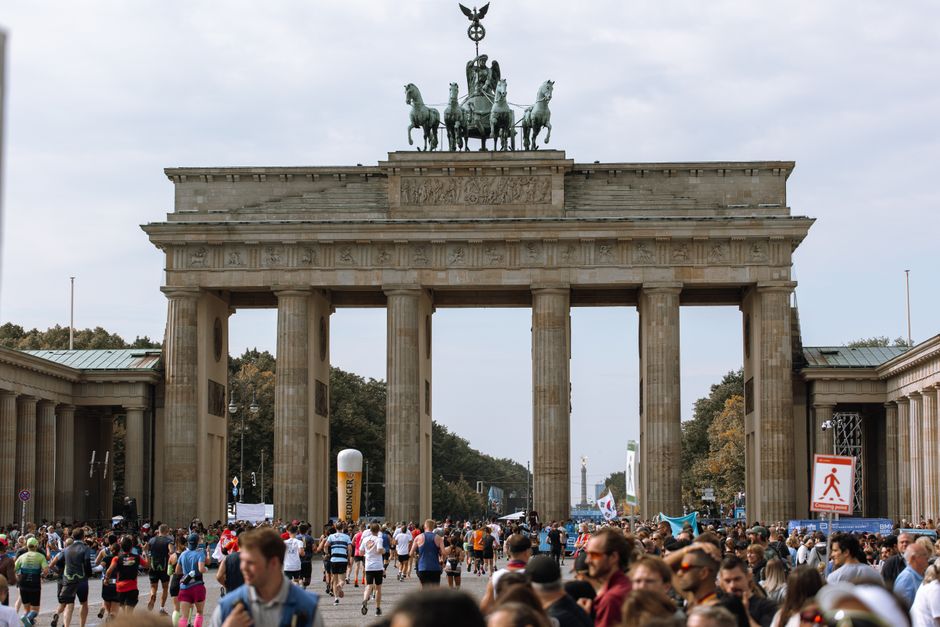
The Olympiastadion, nestled in the Charlottenburg district just west of Berlin's city centre, has hosted Olympic Games, World Cups, and countless legendary matches since 1936. But Hertha BSC's ambitious renovation programme—announced earlier this month—signals that this venerable stadium is entering a new chapter, one that could reshape the club's fortunes and Berlin's position on the European sporting map.
The €120 million project, expected to span three years, addresses decades of deferred maintenance while modernising facilities for players and spectators alike. The 74,475-capacity ground will receive upgraded seating in premium sections, enhanced accessibility features throughout the stadium, and a state-of-the-art training complex beneath the main pitch—a facility that Hertha management hopes will rival anything at Bayern Munich or Borussia Dortmund.
"We're investing in Berlin's future," Hertha's sporting director remarked at the project unveiling, emphasising that the stadium serves not merely Hertha but the entire city. Indeed, the Olympiastadion hosts roughly 40 major events annually, from concerts to athletics competitions, generating approximately €35 million in annual revenue for the surrounding Charlottenburg and Westend neighbourhoods.
The renovation comes at a critical juncture for Hertha. After a turbulent decade marked by boardroom upheaval and inconsistent on-pitch performance, the club finished last season in mid-table—a result that disappointed both supporters and investors. The stadium project represents a statement of intent: that Hertha, despite recent setbacks, remains committed to competing at the highest level.
Local residents and business owners along the Olympic Way—the pedestrianised route connecting Charlottenburg Palace to the stadium—have expressed cautious optimism. "Better facilities mean more events, more visitors, more commerce," said one shopkeeper on Richard-Strauss-Strasse. Construction will proceed in phases, with matchday operations largely uninterrupted.
The timing is shrewd. With major events scattered across German cities over the next three years—and Berlin eyeing international tournament hosting—a modernised Olympiastadion positions both Hertha and the city strategically. European competitions demand increasingly sophisticated infrastructure, and competitors like RB Leipzig's newly expanded stadium have set new benchmarks.
Whether the renovation translates to silverware remains uncertain. But symbolically, Hertha's decision to invest substantially in its home signals confidence in Berlin's capacity to nurture championship-calibre football once more. For a city with such rich sporting heritage, that message matters as much as any trophy.
This article was compiled by AI from the sources linked above and screened before publishing. See our editorial standards.
How does this story make you feel?
Spread the word
About this article
Published by The Daily Berlin
Daily brief
Free, in your inbox before 7am. Weekdays.
More in Sport