Berlin's Amateur Sport Boom Strains Ageing Facilities as Clubs Fight for Court Time
Recreational leagues across the city face a growing infrastructure crisis, with demand for pitches and gyms far outpacing the available venues.
Recreational leagues across the city face a growing infrastructure crisis, with demand for pitches and gyms far outpacing the available venues.
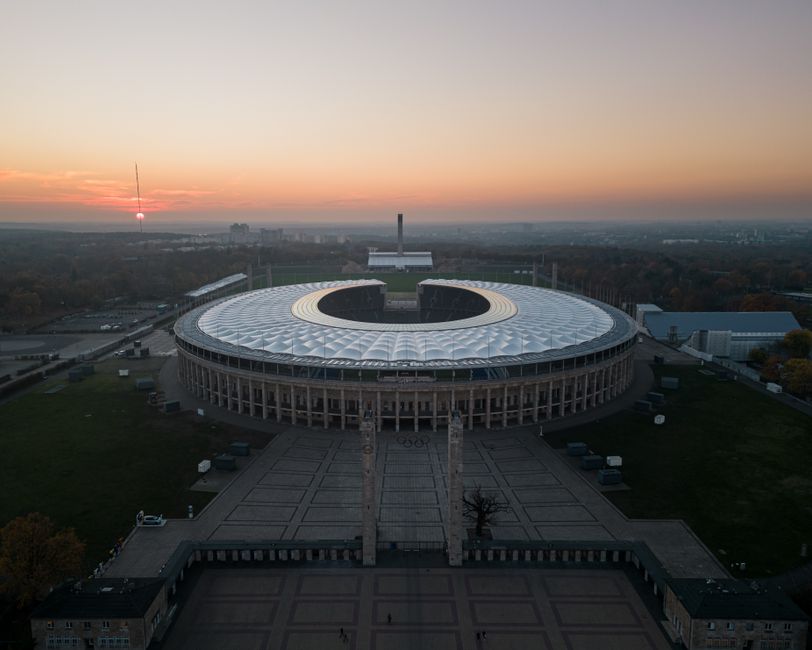
Berlin's recreational sport scene is flourishing. Amateur football leagues, volleyball clubs, and badminton associations report record membership numbers, yet behind the enthusiasm lies a mounting crisis: the city's sports infrastructure cannot keep pace.
The numbers tell the story. According to data from the Berlin Sports Senate, participation in organised amateur sport has grown by 18 percent over the past four years, reaching approximately 180,000 active members across all disciplines. Yet the number of municipal sports facilities has remained largely static, creating bottlenecks that force clubs to negotiate complex booking schedules and sometimes travel across the city for basic training space.
In Friedrichshain-Kreuzberg, where young professionals and families have driven population growth, the demand is most acute. The Sportstätte Ostkreuz, one of the district's primary venues, operates at near-capacity most evenings. The facility's four football pitches and two indoor halls service over thirty clubs, with some groups relegated to training slots between 10 p.m. and midnight. A standard two-hour booking costs around €90 to €120, placing strain on smaller, volunteer-run clubs with modest budgets.
Charlottenburg-Wilmersdorf offers a different problem. Here, infrastructure exists, but ageing facilities require urgent investment. The Stadtwerke-Sportanlage on the Stadtring has served the district for decades, yet its changing rooms need renovation and some floodlighting dates to the 1990s. The Berlin Sports Senate estimates that 40 percent of the city's sports venues require significant capital investment within the next five years.
Some neighbourhoods have found creative solutions. In Tempelhof-Schöneberg, the Flugfeld Club has partnered with local schools to access facilities during after-school hours, reducing dependency on peak-time municipal bookings. Similarly, community-run initiatives in Neukölln have converted underused warehouse spaces into temporary training venues, though such arrangements lack permanent status and security.
The infrastructure challenge extends beyond pitches. Indoor sports halls face particular pressure. Facilities on Karl-Marx-Straße in Neukölln and around the Landwehrkanal in Mitte operate with waiting lists. Badminton clubs report monthly membership fees have risen 25 percent in three years, partly reflecting increased facility costs.
The Berlin Senate's new ten-year sports development plan, unveiled earlier this year, promises €240 million in facility improvements. Priority investments target underserved districts and the renovation of existing venues. However, club administrators say implementation remains slow, and interim solutions are needed now.
For Berlin's recreational athletes, the message is clear: passion for sport thrives across the city, but the infrastructure supporting that passion requires urgent modernisation and expansion.
This article was compiled by AI from the sources linked above and screened before publishing. See our editorial standards.
How does this story make you feel?
Spread the word
About this article
Published by The Daily Berlin
Daily brief
Free, in your inbox before 7am. Weekdays.
More in Sport