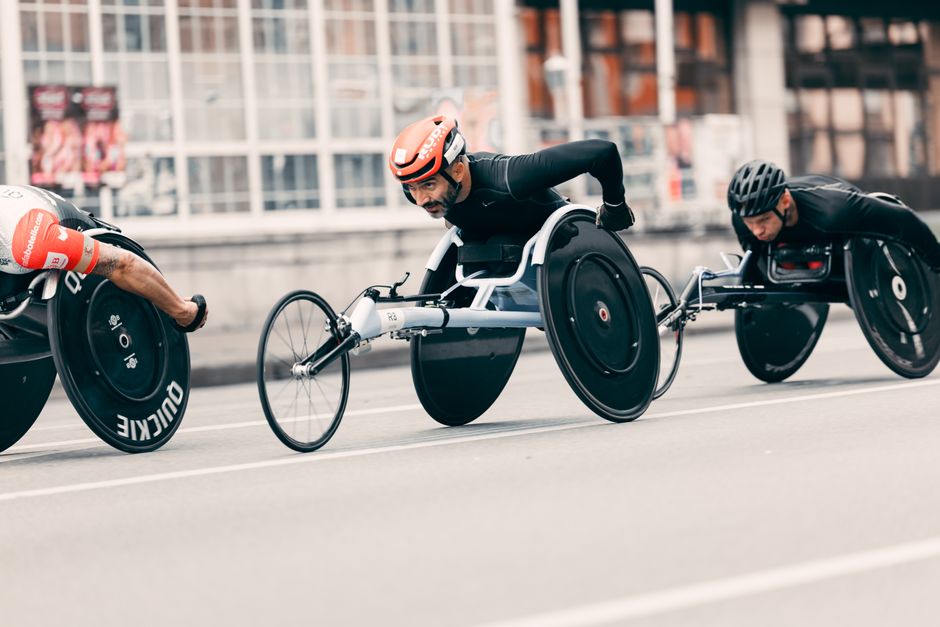
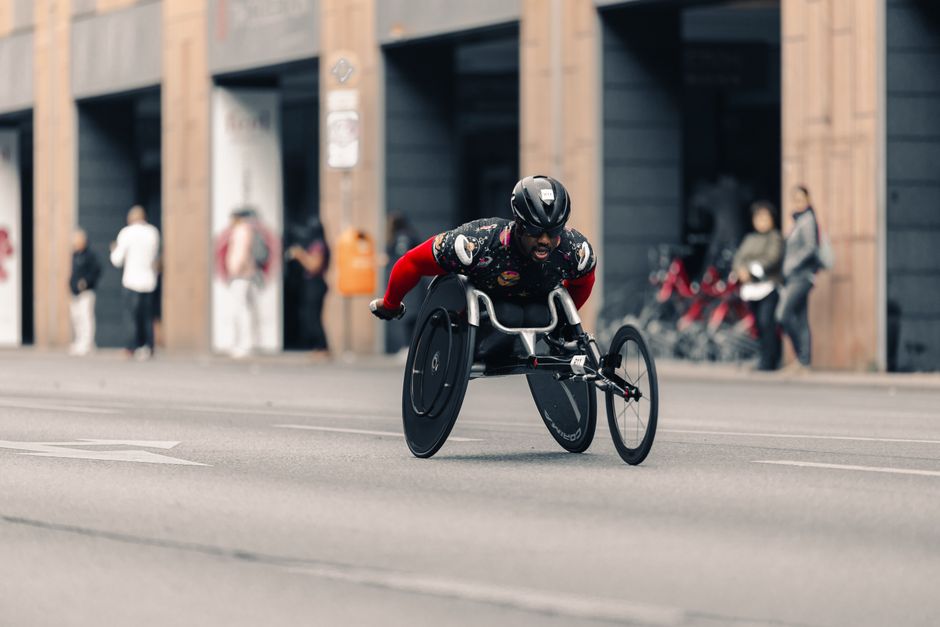
In the shadow of Tempelhof's historic runways, a new breed of athlete is emerging. CrossFit United Berlin, housed in a 2,800-square-metre converted hangar just off Tempelhofer Damm, has become the unexpected darling of the city's fitness scene, drawing over 400 active members and recently placing three athletes in Germany's national team trials for the 2027 CrossFit Games.
The club's rise reflects a broader shift in how Berliners approach group training. Where traditional gyms along Kurfürstendamm and Friedrichstrasse cater primarily to individual routines, CrossFit United has built something different: a competition-oriented collective that treats fitness as a team sport. Their six-person relay team, "Kiez Collective," recently won the Berlin Open Championship in May, an event that drew 150 competitors from across Northern Europe.
"We're seeing people who would never have considered themselves athletes suddenly training five times a week," says the club's operational director. "The team dynamic changes everything." Monthly memberships start at €89, with competitive teams paying €249—pricing that sits comfortably between boutique studios in Kreuzberg and budget chains, yet attracts a dedicated clientele.
The phenomenon speaks to Berlin's particular fitness culture. Unlike Munich's traditional sports club dominance or Hamburg's rowing heritage, Berlin's gym culture has historically been fragmented—basement CrossFit boxes in Wedding, yoga studios peppered throughout Prenzlauer Berg, CrossFit and strength communities scattered across Charlottenburg. CrossFit United's success lies partly in consolidation, creating an institutional home for competitive team training in a city rarely associated with that model.
The club's visibility spiked following the German Fitness Federation's recent ranking that listed three of their athletes among the top 20 German CrossFit competitors under 30. Local media coverage intensified when members began competing in relay events across Europe, representing Berlin's colours in Luxembourg and Prague.
What's particularly striking is the demographic breadth. Classes range from beginners to elite competitors; a typical 6:30 p.m. session in the main training hall includes software developers, healthcare workers, and one semi-professional cyclist retraining for winter conditioning. The club's location—accessible via U6 directly to Tempelhof or a fifteen-minute walk from Neukölln's main residential areas—has made it genuinely inclusive.
As traditional sport clubs face membership declines across Germany, CrossFit United's expansion mirrors Berlin's preference for flexible, results-driven communities. They're adding a second location in Friedrichshain by September. In a city that's reinvented itself repeatedly, perhaps it's fitting that a new fitness culture—one that treats training as collective endeavour—finds its strongest foothold here.
This article was compiled by AI from the sources linked above and screened before publishing. See our editorial standards.