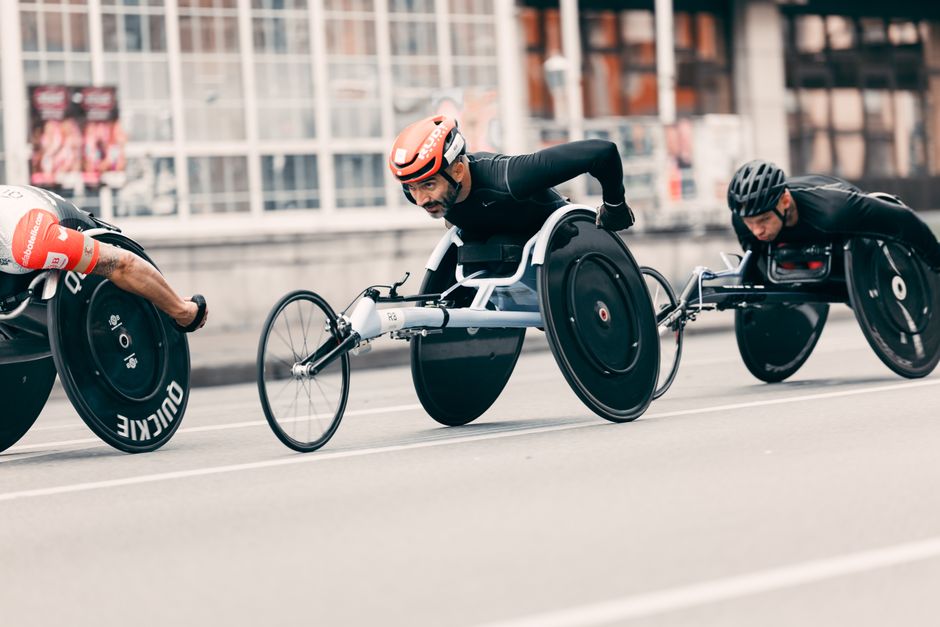
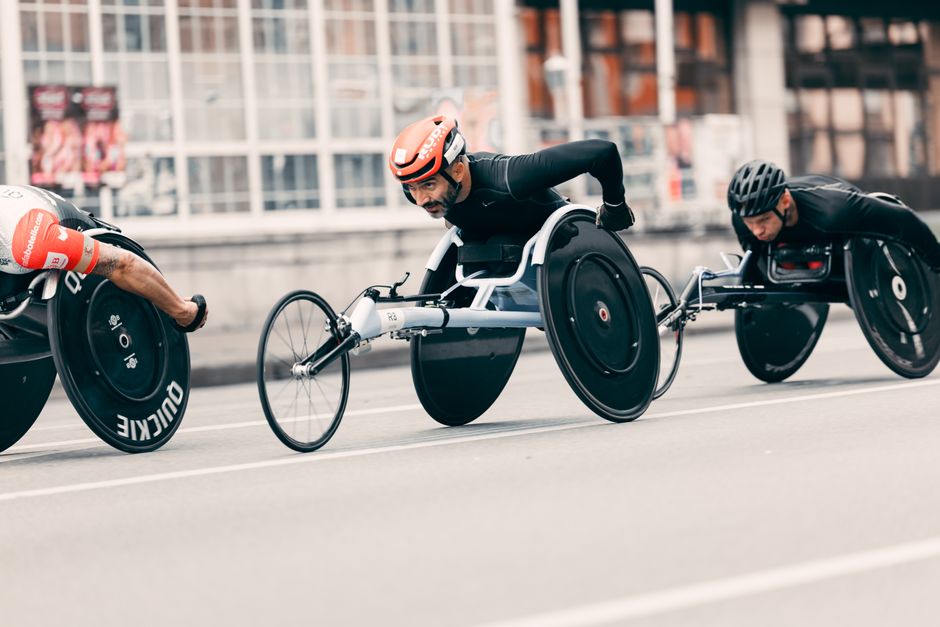
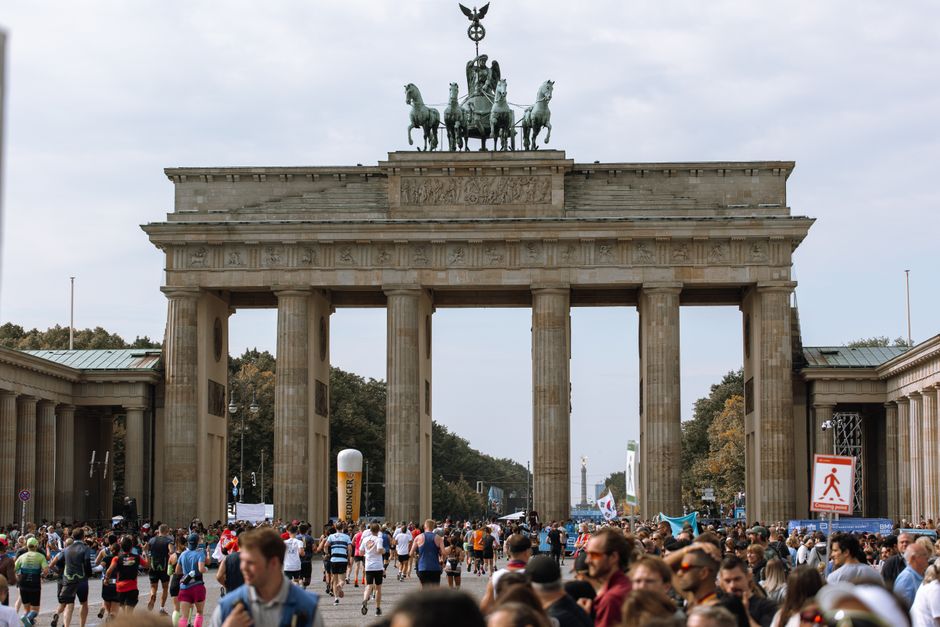
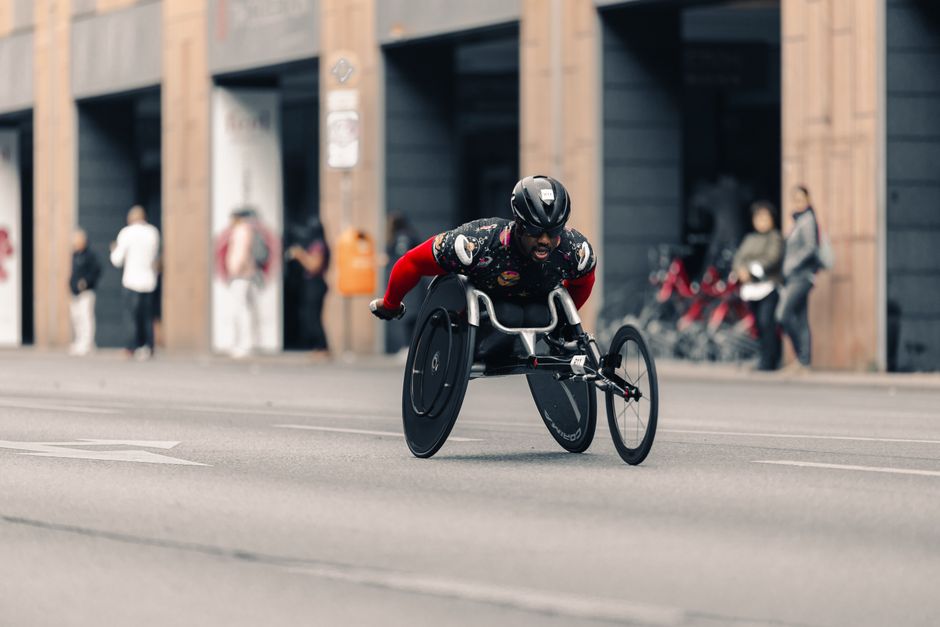
Berlin's endurance calendar has reached its crescendo. With the midsummer heat settling over the Spree and July's marquee events looming, the city's competitive running, cycling and triathlon communities are entering the window where training peaks transform into podium finishes.
The Berlin Triathlon, returning to the Rummelsburger Bucht in Friedrichshain this July, remains the capital's flagship multisport spectacle. The event, which attracts over 4,000 participants annually, features the Olympic-distance race as its centrepiece—a 1.5-kilometre swim through the industrial-heritage lake, 40 kilometres cycling through Marzahn's tree-lined routes, and a 10-kilometre run finishing near the East Side Gallery. Local clubs including Tri-Team Berlin and TSV Tempelhof report record entries this year, with registration fees hitting €189 for the main event. Organisers expect the female participation rate to exceed 35 per cent, reflecting broader trends in German endurance sport.
Parallel to this, the cycling contingent has its eyes on the Deutschland-Rundfahrt, which stages stages across Brandenburg before concluding on the Kurfürstendamm in late July. Berlin-based continental teams and amateur squads have spent months preparing on the Müggelsee loops and through the Grunewald forest training routes that dominate the city's cycling infrastructure.
For runners, the Berlin Half Marathon circuit continues through autumn, but the real focus shifts to qualifying events for autumn marathons. The Tuesday evening 10-kilometre races organised by TSV Kreuzberg at Tiergarten have become unofficial proving grounds, with times from these midweek affairs often dictating entry allocation for prestigious autumn races.
The infrastructure supporting these athletes has matured considerably. Berlin's running clubs have expanded coaching programmes, and the city's cycling infrastructure—now encompassing over 1,400 kilometres of designated paths—provides legitimate training corridors that rival many European capitals. The Tempelhofer Feld, the former airport converted to public space in 2015, remains the spiritual centre for Berlin's endurance community, hosting weekly group runs and rides that draw hundreds across socioeconomic and age demographics.
Yet the real story unfolds quietly: in the early mornings along the Landwehr Canal, during lunch-hour intervals at Charlottenburg Palace, and in the suburban forests beyond the S-Bahn ring. These are the grinding weeks where marginal gains accumulate. Season finals demand specificity, precision, and the kind of mental resilience that Berlin's endurance athletes—battle-hardened by the city's unpredictable climate—are well-positioned to deliver.
This article was compiled by AI from the sources linked above and screened before publishing. See our editorial standards.