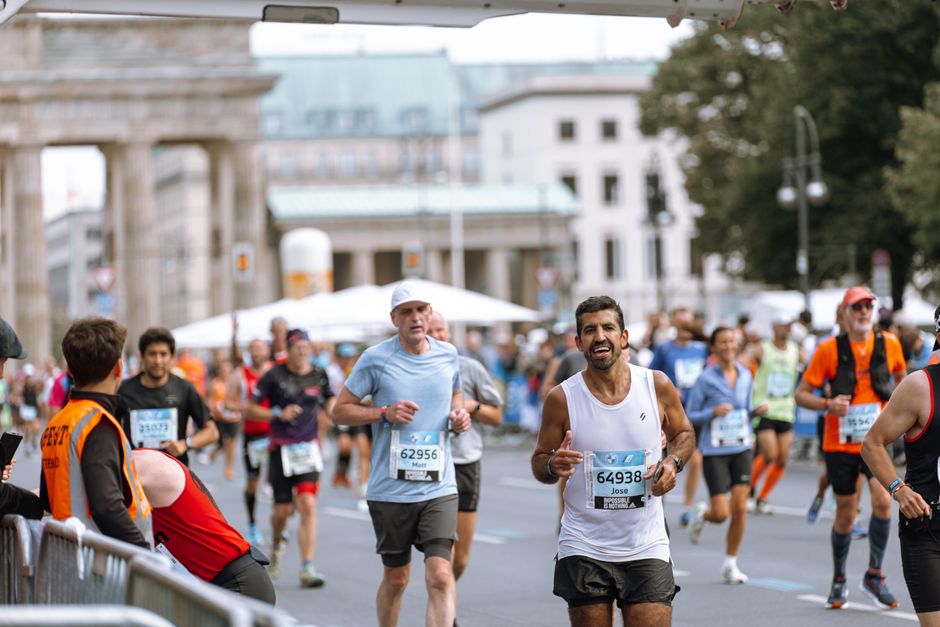
On Tuesday evenings, the carpark behind the old brewery on Mehringdamm transforms into something unexpected: a gathering point for 60 runners of wildly varying abilities, lacing up for a gentle five-kilometre loop through Kreuzberg. No membership fees. No app. No performance metrics. Just a shared commitment to showing up.
This is the real story of Berlin's endurance sport revolution—not the polished triathlons or sponsored half-marathons, but the grassroots networks quietly reshaping how thousands of ordinary Berliners discover fitness, community, and purpose.
"Five years ago, running was something you did alone," says the coordinator of Lauftreff Friedrichshain, one of Berlin's oldest informal running collectives. "Now we have 15 different neighbourhood groups just in the eastern districts, meeting regularly, supporting each other through training plans, injuries, life stuff."
The numbers tell part of the story. Berlin's cycling clubs have grown from approximately 12 major organisations in 2020 to over 40 today, many operating on shoestring budgets from shared garage spaces in Tempelhof-Schöneberg and Prenzlauer Berg. The city's first community-organised triathlon in Plötzensee last summer attracted 280 participants—most of them newcomers discovering the sport through neighbourhood word-of-mouth rather than expensive coaching academies.
What makes Berlin's movement distinctive is its explicitly anti-commercial DNA. The Charlottenburg Running Collective explicitly prohibits corporate sponsorship. The cycling cooperatives operating from Ostkreuz prioritise accessibility over performance, with group rides that deliberately include slower cyclists and families with cargo bikes. Entry costs—when they exist—rarely exceed €5.
"Sport shouldn't be gatekept by wealth," explains one volunteer organiser from a Neukölln-based triathlon support group. "We wanted to show that training for endurance events could happen without expensive memberships, personal trainers, or designer kit."
Yet this grassroots explosion serves a deeper purpose than mere accessibility. Mental health advocates have documented the profound community impact, particularly post-pandemic. Local sports psychologists report that informal running and cycling groups have become de facto social infrastructure in neighbourhoods where loneliness remains acute.
As Berlin's official sports authority increasingly partners with these volunteer-led organisations—providing small grants and venue access—a question emerges: can grassroots movements maintain their essential character while scaling up? The answer, across the city's running tracks, cycling routes, and lake-side transition zones, remains beautifully uncertain.
This article was compiled by AI from the sources linked above and screened before publishing. See our editorial standards.