Berlin's Neighbourhood Clubs Score Big: How Local Venues Become Community Anchors
From Kreuzberg to Köpenick, grassroots sports organisations are turning modest stadiums into thriving social hubs that bind diverse communities together.
From Kreuzberg to Köpenick, grassroots sports organisations are turning modest stadiums into thriving social hubs that bind diverse communities together.
Berlin's sporting landscape extends far beyond the glittering Olympiastadion. Across the city's neighbourhoods, smaller clubs are quietly engineering a different kind of victory—building tight-knit communities through accessible sport at the neighbourhood level.
In Kreuzberg, the recently renovated Mehringdamm Sports Complex has become a focal point for the district's diverse population. What began as a modest facility now hosts youth football academies, women's boxing collectives, and intergenerational volleyball leagues. Entry fees remain deliberately low—typically €3-5 per session—ensuring families from all economic backgrounds can participate. Local club administrators report that membership has grown 34% since 2024, with particular expansion among young women's programmes.
The Köpenick district tells a similar story. Union Berlin's community foundation has extended its reach beyond the Stadion An der Alten Försterei, establishing satellite training grounds in Karl-Marx-Straße and supporting amateur clubs like SV Köpenick. These venues now function as cultural meeting spaces, hosting not just matches but neighbourhood festivals, job fairs, and integration programmes for recent arrivals.
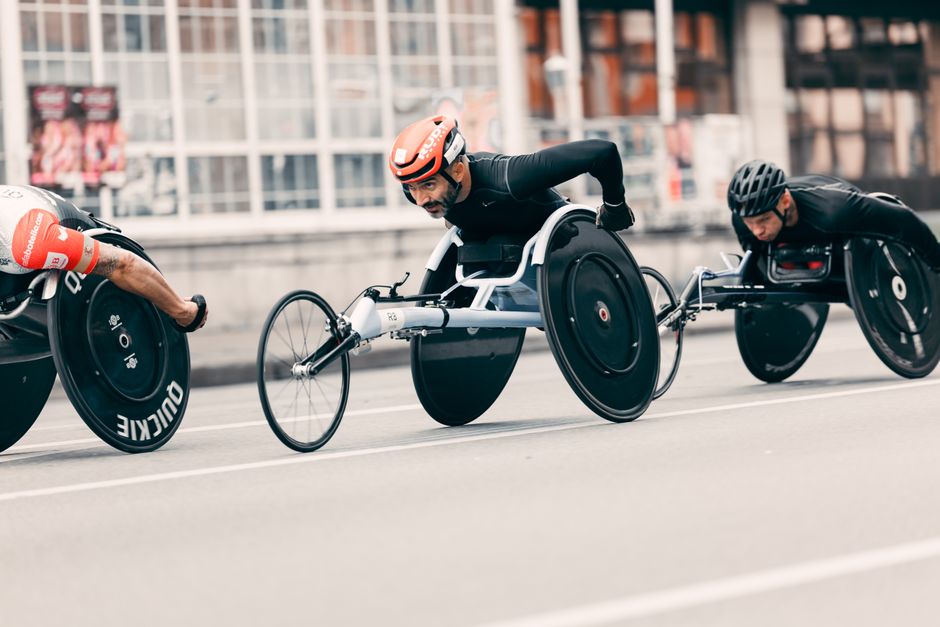
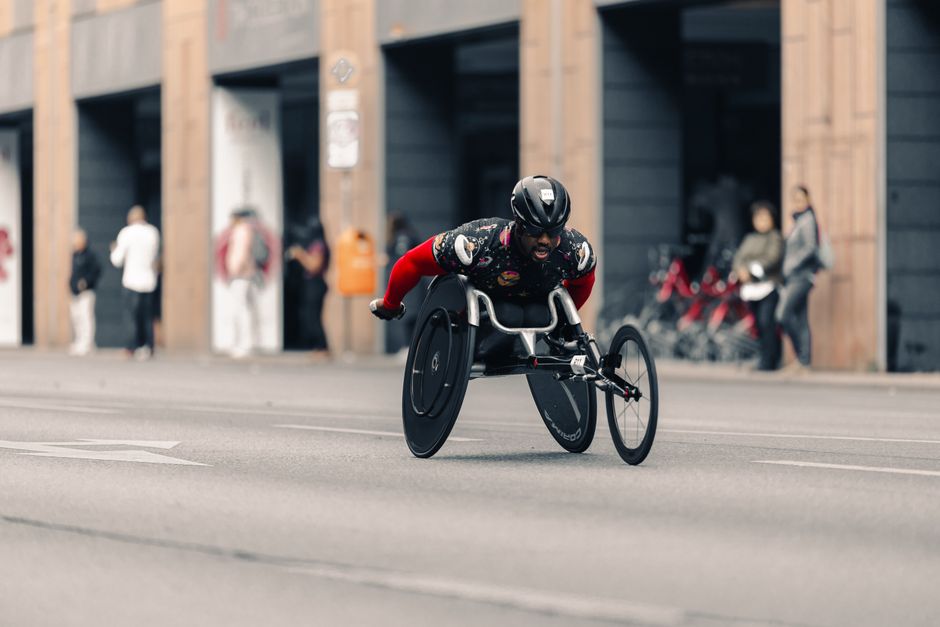
Tempelhof's sprawling athletic grounds have undergone transformation since the airfield closed to commercial traffic. Community organisations now manage multiple pitches, courts, and tracks where thousands participate weekly in everything from amateur athletics to adaptive sport programmes. The Tempelhof Projekt initiative ensures 60% of facility time goes to non-profit organisations, keeping costs accessible while generating modest revenue for maintenance and expansion.
What distinguishes Berlin's approach is intentionality. Club managers across districts describe their role not as purely sporting, but social. The Charlottenburg-Wilmersdorf Sports Bureau deliberately partnered with integration services to create welcoming environments; their annual report notes that 42% of new participants in 2025 were from migrant backgrounds, with dedicated multilingual coaching staff.
Economic sustainability remains challenging. Most clubs rely on municipal grants (typically €15,000-40,000 annually per venue) supplemented by membership fees and fundraising. Yet the model works: these spaces generate measurable returns beyond scoreboards—improved mental health markers, stronger social cohesion, and tangible neighbourhood identity.
As Berlin continues attracting international attention, its professional clubs capture headlines. But ask residents what makes their neighbourhood home, and increasingly they mention the local pitch, the volleyball court, the cycling club on Oranienstraße. These modest venues, managed by passionate locals, have become Berlin's real sporting backbone.
This article was compiled by AI from the sources linked above and screened before publishing. See our editorial standards.
How does this story make you feel?
Spread the word
About this article
Published by The Daily Berlin
Daily brief
Free, in your inbox before 7am. Weekdays.
More in Sport