Berlin's Grassroots Sport Boom Tests the City's Aging Facilities Network
As amateur leagues flourish across the capital, clubs and municipalities face mounting pressure to upgrade crumbling infrastructure that hasn't kept pace with demand.
As amateur leagues flourish across the capital, clubs and municipalities face mounting pressure to upgrade crumbling infrastructure that hasn't kept pace with demand.
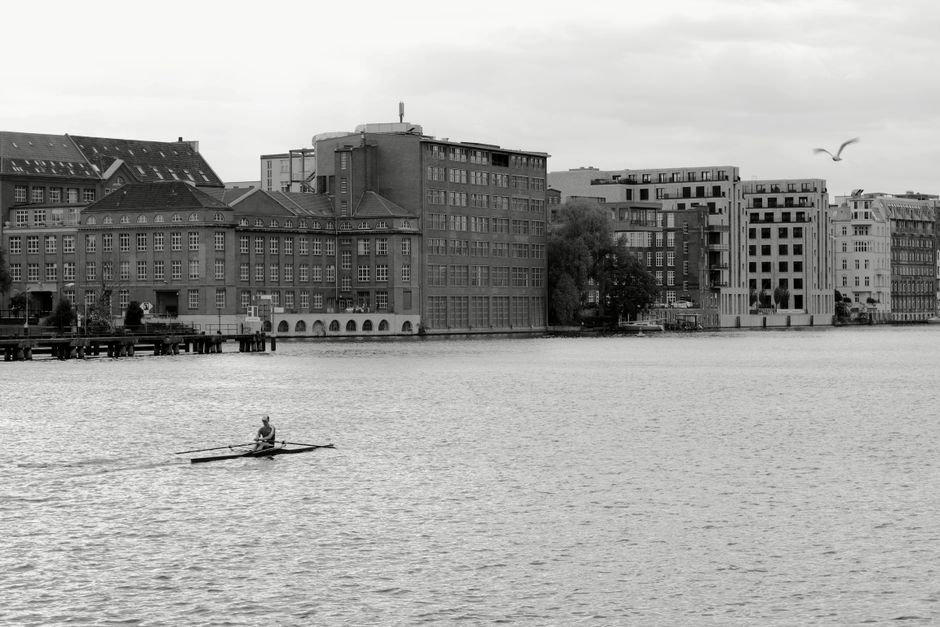
Walk through Tiergarten on any weeknight and you'll see them: makeshift training sessions squeezed onto worn-out pitches, futsal players practicing under flickering floodlights, and runners navigating potholes in the jogging paths near the Spree. Berlin's recreational sports scene is thriving, with membership in amateur clubs hitting record levels, yet the city's aging venues and infrastructure are struggling to keep up.
The Berliner Sportbund, which coordinates over 2,200 clubs across the capital, reports a 12 percent surge in registrations since 2023. Yet according to recent municipal assessments, approximately 40 percent of the city's outdoor sports facilities require significant refurbishment. Budget constraints have left many neighbourhoods with inadequate courts, fields, and changing facilities.
In Kreuzberg and Friedrichshain, where younger demographics drive demand for volleyball and basketball courts, waiting lists for facility bookings extend months ahead. The Sportpark Friedrichshain, a sprawling complex that anchors the district's amateur leagues, operates at 95 percent capacity during peak hours. Entry fees have crept upward—now averaging €8-12 per session for casual users—reflecting the strain on operational budgets.
Charlottenburg presents a different challenge. The district's aging swimming facilities, particularly the public pools that serve senior amateurs and disability sports programs, face closure threats due to heating system failures. Repairs are estimated at €2.3 million, a figure the district council has deferred twice. Meanwhile, Steglitz-Zehlendorf's tennis clubs report that clay courts are being converted to synthetic surfaces at unsustainable rates, pricing out traditional players.
Some neighbourhoods have found creative solutions. Wedding's Sportplatz an der Panke underwent community-led renovation in 2024, funded through a combination of borough grants and crowdfunding. The revitalised facility now hosts five amateur football leagues and a thriving rugby club. Similarly, Tempelhof's vast open spaces have become a testing ground for modular, low-cost venue designs that other cities are watching closely.
The Senatsverwaltung für Inneres, Digitalisierung und Sport has announced a €45 million infrastructure improvement programme spanning 2026-2029, prioritising venues in underserved outer districts. Yet advocates argue the timeline remains glacial relative to demand. Clubs operating from dated facilities—some unchanged since the 1980s—say they're resigned to working with what they have.
As Berlin positions itself as a sports city, the gap between the vibrancy of its amateur leagues and the adequacy of its infrastructure grows harder to ignore.
This article was compiled by AI from the sources linked above and screened before publishing. See our editorial standards.
How does this story make you feel?
Spread the word
About this article
Published by The Daily Berlin
Daily brief
Free, in your inbox before 7am. Weekdays.
More in Sport