The numbers tell a revealing story about contemporary Berlin. Registration data from the city's major endurance sports clubs and event organisers suggests that running, cycling, and triathlon participation has grown by roughly 34 percent over the past four years—a trajectory that reflects broader shifts in how Berliners engage with fitness and community.
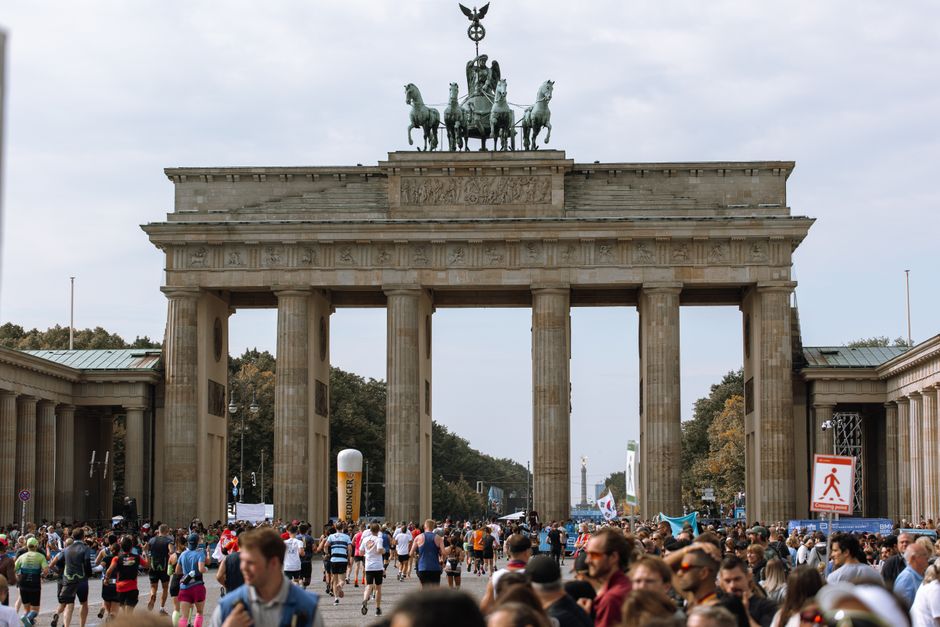
The Berlin Marathon, held each September along the route through Kreuzberg, Charlottenburg, and Tempelhof, now attracts approximately 42,000 registered participants annually, up from 31,000 in 2022. Yet mass events tell only part of the story. Local running clubs affiliated with the Berliner Laufgemeinschaft report steady membership growth, particularly among women aged 25-45, a demographic that now represents 48 percent of their active participants across clubs in Prenzlauer Berg, Friedrichshain, and Neukölln.
Cycling's dominance in the city's transport culture is well documented, but endurance cycling—structured training groups and amateur racing—has become distinctly organised. The Velodrom in Prenzlauer Berg hosts regular training sessions that pull participants from across the metropolitan area, while gravel and road cycling clubs operating from bases in Kreuzberg and Wedding report waiting lists for membership.
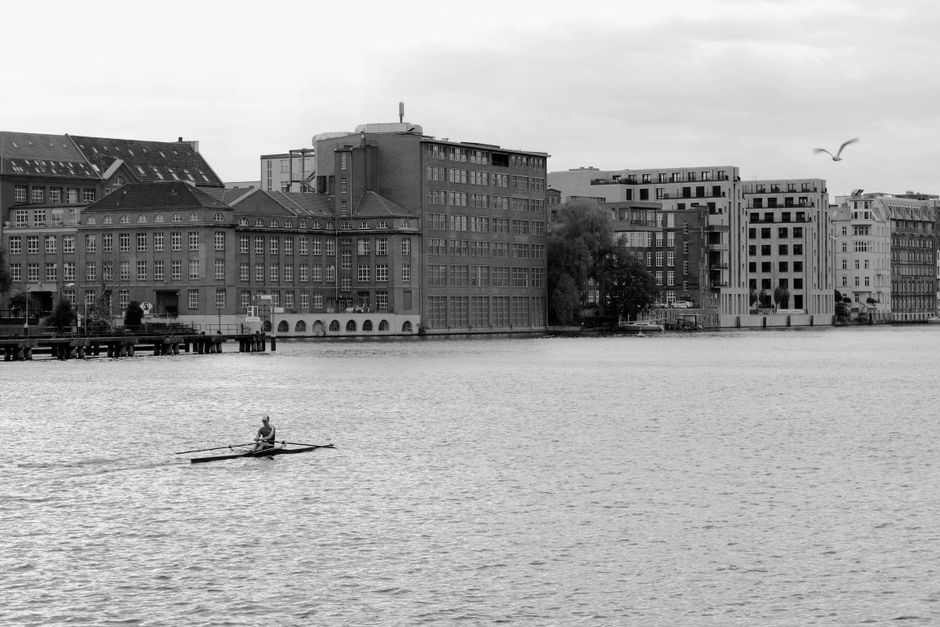
Triathlon participation offers perhaps the most striking indicator of shifting priorities. The Berlin Triathlon Association registered 2,847 competitive members this year, nearly double the 1,480 recorded in 2018. Most participants cite accessibility of training facilities—the Rummelsburger See in Friedrichshain and Müggelsee to the southeast serve as primary training grounds—alongside Berlin's relatively flat topography as key attractions.
What does this data actually mean for the city's fitness culture? Several patterns emerge. First, endurance sports have shifted from niche pursuits to mainstream activities. Second, participation is increasingly democratised: club membership typically costs €15-40 monthly, rendering serious training affordable compared to boutique fitness studios charging €200+ monthly. Third, the rise reflects Berlin's broader identity as a health-conscious, environmentally aware city where cycling and running align with values already embedded in daily transport behaviour.
Notably, participation growth has not concentrated in wealthy western districts. Neuköllner Lauftreff and Kreuzberg-based cycling clubs report the most dramatic expansion, suggesting endurance sports are becoming genuinely city-wide phenomena rather than affluent hobbies.
This shift carries implications. As more Berliners formalise their engagement with endurance training, demand for infrastructure—protected cycle lanes, running routes, public water access—will intensify. The data suggests these are no longer niche requests, but reflections of genuine participation patterns reshaping how the city should invest in public sports infrastructure.
This article was compiled by AI from the sources linked above and screened before publishing. See our editorial standards.