sport
Rising Youth Sports Participation Reveals Shifts in Berlin’s Fitness Culture
New statistics show increased involvement in youth sports across Berlin, highlighting evolving health trends in the city’s younger generation.
How we reported this
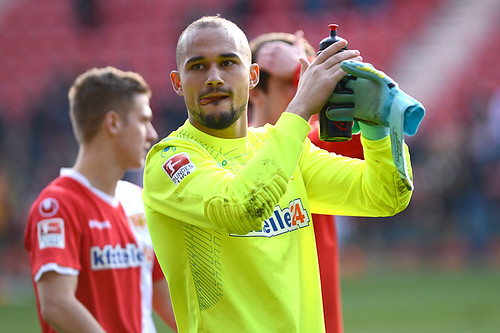
Berlin has seen a 15% surge in youth sports participation over the last two years, according to a recent report from the Berlin Senate Department for Interior, Digitalisation and Sport. This uptick signals a growing enthusiasm for physical activity among children and teenagers, with implications for public health and community planning.
The timing of this boost is particularly significant as Berliners seek healthier lifestyles following the COVID-19 pandemic’s disruption to school and recreational activities. City officials and sport organisations are now analysing what this means for resource allocation and future programming.
Local Facilities and Programmes Support Youth Engagement
The increased participation is most visible in neighbourhoods like Friedrichshain and Neukölln, where community centres and clubs have enhanced offerings for youths. Clubs such as SC Charlottenburg on Mommsenstraße have expanded their youth football and basketball teams, reflecting a city-wide trend. Additionally, the Berliner Turn- und Freizeitsport-Bund (BTFB) reports a 12% rise in memberships among under-18s for 2025-2026.
Notably, initiatives like the “Fit for Future” project based at the Sportforum Hohenschönhausen are tailored to engage teenagers in diverse sports, including swimming, athletics, and gymnastics. This programme, funded partly through city subsidies averaging €200,000 annually, aims to make sports accessible and appealing beyond traditional football dominance.
Data Behind the Trend and What it Reveals
The Berlin Senate’s detailed figures reveal that 68% of children aged 6 to 16 now participate in organised sport at least once a week, up from 59% in 2024. Football remains the most popular, but there’s notable growth in individual and less conventional sports like skateboarding and climbing, especially in inner-city areas.
Membership fees also reflect economic inclusivity efforts; the average monthly cost for youth club sports has been held between €15 and €25, with subsidy schemes ensuring lower-income families can participate. These financial strategies are crucial to sustaining increased engagement and preventing a drop-off as pandemic safety measures fade.
City health experts note that this trend aligns with improved physical and mental wellbeing indicators among Berlin’s youth, underscoring sport’s role as a preventive public health measure. However, challenges remain in extending opportunities to outer districts where fewer facilities exist.
With Berlin gearing up for the 2027 European Youth Sports Festival, momentum is building to invest further in youth sport infrastructure and inclusive programming.
For parents and teens interested in joining, local sports clubs often hold open days during the summer months. The Berlin Sports Association (Landessportbund Berlin) maintains a comprehensive online directory of youth programmes sorted by district, making it easier for families to find accessible options.
As Berlin’s youth fitness culture continues to evolve, embracing new sports trends and prioritising accessibility will remain key to nurturing healthy generations to come.