The Berlin AI Startup You Need to Know About This Month: How Contextflow is Reshaping Enterprise Vision Systems
A Kreuzberg-based computer vision firm is quietly becoming the backbone for how Fortune 500 companies process visual data at scale.
A Kreuzberg-based computer vision firm is quietly becoming the backbone for how Fortune 500 companies process visual data at scale.
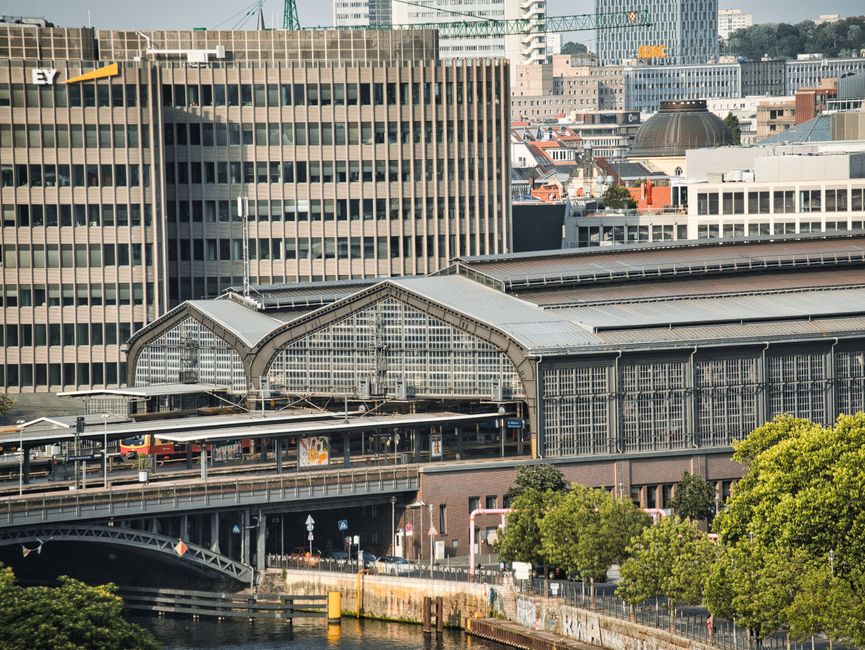
In the shadow of Berlin's better-known startup heroes, a modest office near Mehringdamm has become ground zero for one of the most consequential shifts in enterprise artificial intelligence. Contextflow, a computer vision startup founded in 2021, has spent the last five years building infrastructure that transforms how large organisations interpret images and video—and this month, the company announced a €18 million Series B round that signals the maturation of its technology.
The company's focus is deceptively simple: making visual AI reliable enough for sectors where mistakes carry real consequences. Healthcare facilities using their system can automate diagnostic imaging workflows. Logistics companies optimise supply chains through real-time visual inspection. Manufacturing plants detect defects at speeds that human operators cannot match. What separates Contextflow from the crowded field of vision AI startups is their obsessive focus on edge cases—the 1% of scenarios that break most systems.
Founded by researchers with backgrounds in computer vision and machine learning, Contextflow operates from a converted warehouse space in Kreuzberg that has become emblematic of Berlin's pragmatic approach to deep tech. Unlike the gleaming startup campuses of San Francisco or London, the Mehringdamm office reflects a different ethos: serious infrastructure for serious problems, without the marketing polish.
The €18 million injection targets expansion beyond their core European client base, with particular emphasis on North American enterprise clients. For Berlin's tech scene, this matters. The city has struggled to produce unicorns, but it has quietly built a pipeline of companies solving infrastructure problems for global industries. Contextflow joins a cohort—including firms in autonomous vehicles, biotechnology, and supply chain optimisation—that represent a maturing ecosystem less concerned with consumer apps than with enterprise durability.
The broader context here is instructive. While global venture capital flows remain volatile and attention spans fickle, Berlin-based deep tech companies have benefited from patient capital and a talented talent pool willing to work on unglamorous but critical problems. Contextflow's success mirrors this: no flashy consumer product, no viral growth narrative—just steady technical progress solving problems that enterprises will pay for, consistently, for years.
For anyone tracking where European innovation is actually happening beyond the headlines, Contextflow deserves attention. It exemplifies how Berlin remains a place where serious technical work happens outside the glare of media cycles, often unnoticed until the funding rounds announce they've quietly solved something fundamental.
This article was compiled by AI and screened before publishing. See our editorial standards.
How does this story make you feel?
Spread the word
About this article
Published by The Daily Berlin
Daily brief
Free, in your inbox before 7am. Weekdays.
More in tech


