Berlin's Digital Fortress: How Cybersecurity Tech is Reshaping Daily Life for Residents
From Kreuzberg startups to Charlottenburg offices, privacy-first technology is quietly transforming how locals work, shop and move through the city.
From Kreuzberg startups to Charlottenburg offices, privacy-first technology is quietly transforming how locals work, shop and move through the city.
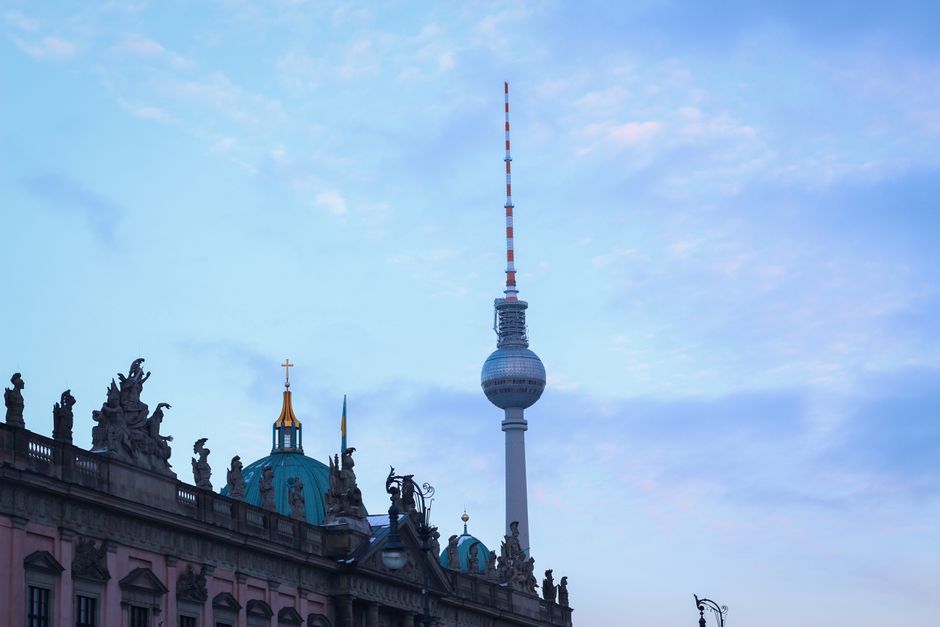
Walking through Friedrichshain on a Tuesday morning, you might not notice it, but Berlin residents are living through a quiet digital revolution. The cybersecurity boom that's made the city a European hub for privacy-focused tech companies is no longer confined to glass-fronted offices in the Mitte district—it's reshaping how ordinary Berliners conduct their daily lives.
The numbers tell part of the story. Berlin now hosts over 180 cybersecurity startups, according to recent industry data, nearly double the figure from five years ago. Companies like Nextcloud and Neodyne, both headquartered in the city, have built products specifically designed around the principle that personal data shouldn't be a commodity. For residents, this means new choices when selecting email providers, messaging apps and cloud storage services that didn't exist a decade ago.
The impact is visible across neighbourhoods. At the Hallesches Haus cultural centre in Kreuzberg, a local cooperative recently switched to encrypted communication platforms for member coordination—a decision that would have seemed paranoid in 2015 but now feels pragmatic to many in the community. Cafés around Kollwitzplatz in Prenzlauer Berg increasingly offer Wi-Fi that automatically routes through privacy-protecting networks, responding to customer demand for safer browsing while checking email over coffee.
Supermarkets and public transport present more complex cases. The BVG's digital payment systems have quietly integrated stronger authentication measures following pressure from privacy advocates, while retailers along Kurfürstendamm have invested in payment terminals that minimise data collection. A 2025 survey found that 68% of Berlin residents now actively use privacy-enhancing tools—significantly above the German national average of 52%.
Yet the transition hasn't been seamless. Older residents in Charlottenburg and Zehlendorf often find the new security requirements frustrating. Multi-factor authentication, password managers and encrypted messaging apps represent a steeper learning curve than the convenience they sometimes replace. Libraries across the city, from Tempelhof to Spandau, have begun offering free digital literacy courses specifically addressing these tools.
Perhaps most significantly, Berlin's position as Germany's political capital means cybersecurity decisions made here ripple outward. The city's push toward digital sovereignty—choosing European alternatives to American and Chinese platforms—has influenced purchasing decisions at federal level, indirectly shaping what technology Berlin residents encounter in their daily routines.
For many, this transformation represents genuine progress. For others, it's simply the cost of modern life. Either way, Berlin's residents are experiencing firsthand how abstract concepts like encryption and data protection have become concrete realities that determine which apps they use, how they bank, and where they feel safe online.
This article was compiled by AI and screened before publishing. See our editorial standards.
How does this story make you feel?
Spread the word
About this article
Published by The Daily Berlin
Daily brief
Free, in your inbox before 7am. Weekdays.
More in tech


