Berlin's Startup Gold Rush: Who Pays the Price for Venture Capital's Promise?
As the city cements itself as Europe's leading tech hub, founders and investors must grapple with whose futures are being built—and whose are being left behind.
As the city cements itself as Europe's leading tech hub, founders and investors must grapple with whose futures are being built—and whose are being left behind.
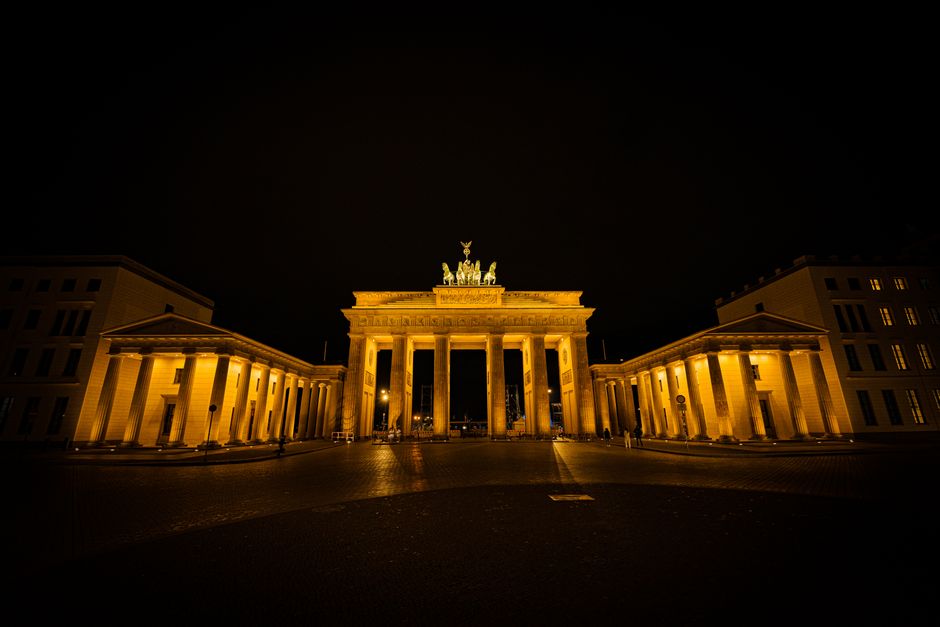
Walk through Kreuzberg's startup corridors or the glass-fronted offices clustering around Potsdamer Platz, and the optimism is palpable. Berlin's venture capital ecosystem has matured dramatically: last year, German startups raised €5.8 billion, with Berlin accounting for roughly a third of that figure. Co-working spaces from Spaces in Mitte to countless smaller hubs pulse with the energy of founders convinced they're building the next unicorn.
Yet beneath this prosperity lies a more complicated reality that Berlin's tech community is only beginning to confront seriously. The city's startup boom has turbocharged gentrification in neighbourhoods like Friedrichshain and Neukölln, where rising rents have pushed out long-term residents and independent cultural institutions that once defined these areas. A two-room flat in Kreuzberg that rented for €800 five years ago now commands €1,600—driven partly by the influx of well-funded tech workers.
The venture capital model itself raises harder questions still. Most Berlin startups chasing serious funding must eventually relocate talent and operations toward London or Silicon Valley, draining local expertise. Those founded by women remain dramatically underfunded: while women comprise roughly 40% of Berlin's startup workforce, they receive less than 15% of venture capital. Similar disparities afflict founders from immigrant backgrounds, despite Berlin's diversity.
There's also the matter of what gets built. Berlin's VC scene has increasingly favoured scalable software and fintech over the kind of civic-minded, community-rooted innovation that flourished in the city's earlier, scrappier startup days. The pressure to achieve hockey-stick growth curves often conflicts with sustainable, locally accountable business models.
Some organisations are pushing back. Initiatives like the Berlin startup association and newer funds focused on impact investing are attempting to broaden who benefits from capital and what problems startups tackle. Yet systemic change remains slow. Venture capital's core mechanics—pursue maximum returns, scale aggressively, exit within a decade—sit uneasily with Berlin's values of equity and social responsibility.
The question facing Berlin's tech leaders isn't whether venture capital can drive innovation—clearly it can. It's whether the city can harness that capital while protecting the communities, diversity, and cultural character that made Berlin attractive to founders in the first place. As of mid-2026, that balance remains precarious.
This article was compiled by AI and screened before publishing. See our editorial standards.
How does this story make you feel?
Spread the word
About this article
Published by The Daily Berlin
Daily brief
Free, in your inbox before 7am. Weekdays.
More in tech


