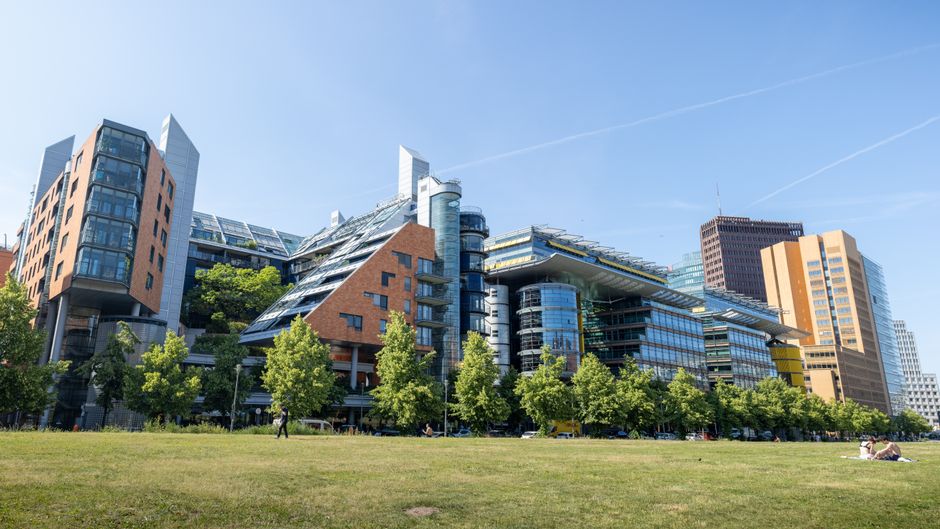
Berlin's coworking landscape has undergone a dramatic transformation over the past eighteen months, driven by a surge in venture capital investment that shows no signs of slowing. What began as a scrappy startup phenomenon in converted warehouses across Friedrichshain has evolved into a sophisticated, well-funded sector that now rivals Munich and Frankfurt as Germany's flexible workspace hub.
The numbers tell a striking story. Between 2024 and mid-2026, Berlin-based coworking operators and flexible office platforms secured over €380 million in combined funding rounds, according to data compiled by local venture tracking firms. This represents a 240 percent increase from the previous two-year period, as major institutional investors—from Blackstone to Munich Re Ventures—began viewing workspace flexibility as a post-pandemic permanent fixture rather than a temporary trend.
The investment wave has manifested visibly across the city. Kreuzberg, long synonymous with countercultural creativity, now hosts six major coworking complexes occupying more than 45,000 square metres. In Charlottenburg, premium operators have invested heavily in converted Wilhelmine office buildings, targeting established companies seeking satellite locations. Average desk rental prices in central neighbourhoods have stabilised around €450-550 monthly for fixed desks, with hot-desking packages at €280-350—figures that reflect both growth and market maturation.
What's driving this capital influx? Investors are betting that remote work's normalisation—reinforced by ongoing infrastructure investments in fibre broadband across Berlin—will sustain demand for flexible, community-oriented workspaces. Unlike traditional commercial real estate, these operators offer adaptability: spaces can expand or contract based on demand, and they attract talent retention value for companies navigating post-pandemic organisational restructuring.
The sector's growth has sparked ancillary investment. Proptech startups developing booking software and space management tools have raised significant funding. Hospitality operators are partnering with coworking platforms to create hybrid models—coffee culture meets productivity culture—particularly visible along the Spree waterfront where several new mixed-use developments have launched.
However, this boom comes with tensions. Rapid expansion has intensified competition for prime real estate in central districts, contributing to rising commercial rents. Long-established independent operators complain that venture-backed competitors can undercut prices unsustainably. Meanwhile, some neighbourhood associations worry about gentrification pressures as tech workers concentrate in previously working-class areas.
As Berlin positions itself as Europe's leading remote work city—a status reinforced by generous visa policies for digital nomads—the coworking sector's investment trajectory suggests the flexible workspace market is no longer a trend, but infrastructure. The question now isn't whether it will persist, but how sustainably it can grow without fundamentally altering the city's character.
This article was compiled by AI from the sources linked above and screened before publishing. See our editorial standards.