Technology
Berlin Startups Deploy Smart Home Tech, Boosting Efficiency and Security
Innovative technologies developed by local startups are reshaping how Berliners interact with their homes, enhancing convenience, energy efficiency and security.
How we reported this
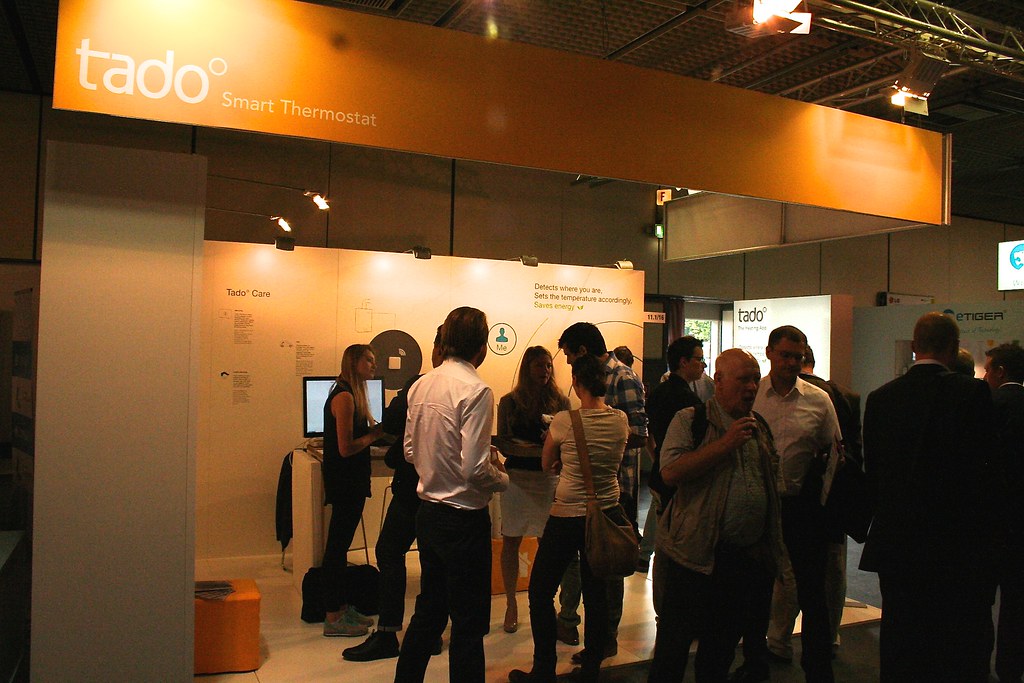
Berlin’s startup ecosystem is spearheading a quiet revolution in everyday living through smart home technologies that are becoming increasingly accessible to residents across the city. Companies based in Kreuzberg and Mitte are introducing systems that automate lighting, heating and security, tailored to the unique needs of urban dwellers.
The push towards smart home solutions comes as energy costs in Berlin have surged, with average electricity bills rising over 12% in the past year, prompting homeowners to seek more efficient ways to manage consumption. Simultaneously, rising concerns over home security have heightened demand for integrated and remotely controlled monitoring devices, further driving adoption of these technologies.
Local Innovations Meet Resident Needs
Startups such as LumioTech, headquartered near Rosenthaler Platz in Mitte, have developed sensor-based lighting controls that adjust brightness based on natural light and occupancy patterns. Their system reportedly helped an apartment block in Prenzlauer Berg reduce electricity use for lighting by nearly 30% within three months of installation. Meanwhile, Berliner startup HomeQ, located in the Factory Berlin hub on Schönhauser Allee, offers an all-in-one smart home platform that integrates heating control, water usage tracking and real-time security alerts, designed specifically for Berlin’s diverse housing stock.
Public institutions are also playing a role; the Berlin Energy Agency has partnered with local developers to subsidize smart thermostat installations under its 2026 Urban Energy Efficiency Program. This initiative supports households in neighborhoods like Neukölln and Friedrichshain where older buildings often suffer from poor insulation, helping residents lower heating costs in a climate-conscious way.
Data Reflects Growing Impact
According to a recent survey conducted by the Berlin Chamber of Commerce, nearly 22% of city residents currently use at least one smart home device, a figure that has doubled since 2023. Market analyst Statista projects that by the end of 2026, Berlin’s smart home market will be worth over €120 million, fueled by rising consumer interest and declining hardware costs, with smart thermostats averaging around €100 and security cameras under €80 in many retail stores on Kurfürstendamm.
Early adopters also report qualitative benefits: residents in Prenzlauer Berg and Charlottenburg have noted improved comfort and peace of mind, particularly elderly tenants using automated emergency alert systems integrated with Berlin’s community support services.
For Berliners considering their first smart device, experts recommend starting small-perhaps a smart plug or security camera-and expanding as familiarity grows. Local tech forums like those at betahaus coworking space on Rudi-Dutschke-Straße and monthly meetups organised by Berlin Smart City Initiative offer accessible advice and demonstrations. As Berlin’s smart home scene evolves, residents can expect technology that better adapts to the city’s unique housing challenges, helping reduce costs and enhancing quality of life throughout the capital.