Technology
Berlin’s Smart City Surge: Local Tech Startups Drive Real-Time Urban Innovation
Berlin’s burgeoning tech ecosystem is shaping the city’s smart initiatives with fresh startups and pilot projects advancing digital urban solutions today.
How we reported this
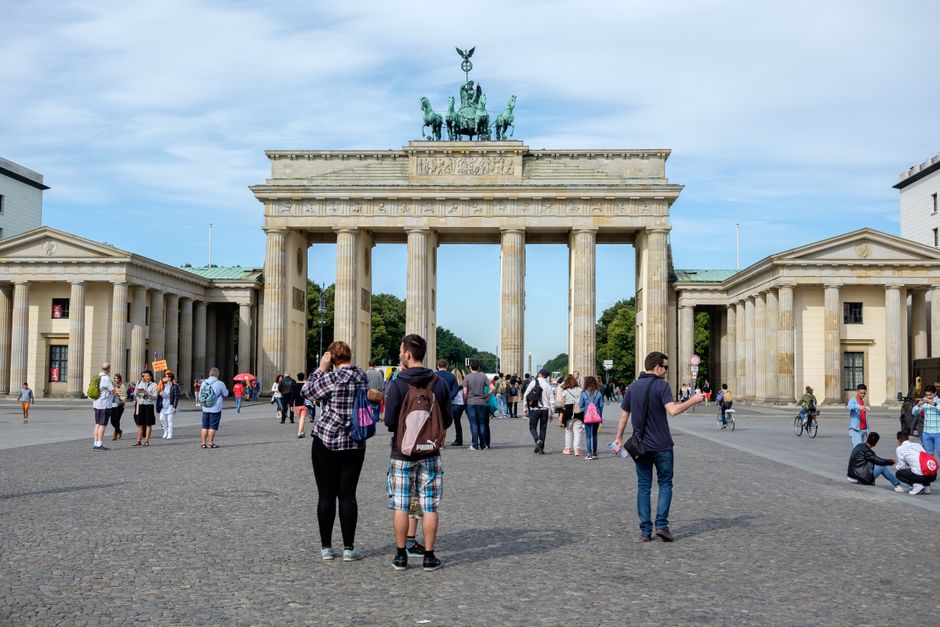
Berlin’s smart city initiatives are gaining momentum as dozens of local startups, city agencies, and research institutions launch new projects aimed at transforming the urban experience with digital technologies. In the past month alone, the city’s Mobility Lab in Kreuzberg and the Smart City Hub at the Berlin TXL InnovationPark have become focal points for pilot programs integrating AI-driven traffic management and citizen engagement platforms in real time.
The push comes amid growing pressure on Berlin to tackle urban challenges such as congestion, pollution, and infrastructure aging. With the city’s population surpassing 3.8 million, and the 2026 Berlin Transport Authority (BVG) reporting a 12% rise in public transit ridership this year, local policymakers see smart tech as essential to meet growing demand sustainably. Federal and EU funding streams earmarked for smart city development are also catalyzing investment, pulling in startups eager to validate urban solutions on Berlin’s streets.
Local Startups at the Forefront of Urban Digitalization
Within Berlin’s tech ecosystem, the neighborhood around Karl-Marx-Allee has emerged as a testing ground for innovative mobility projects. Startups like UrbaneX, headquartered in Prenzlauer Berg, recently partnered with the Berlin Transport Authority to pilot AI-based traffic signal optimisation across ten intersections. Early data from July shows a 15% reduction in average waiting times during peak hours. Meanwhile, EcoSensors, operating from the Berlin TXL InnovationPark, is deploying a network of affordable air quality monitors in Friedrichshain to provide hyperlocal pollution data to residents via a smartphone app.
Supporting these efforts, the Smart City Berlin initiative, a municipal program launched in late 2025, coordinates collaboration between city departments and private actors. The program’s latest funding round injected €5 million into small-scale digital trials focused on energy efficiency and waste reduction. Notably, Smart City Hub at TXL has welcomed over 40 startups since its opening in March, offering collaboration spaces and access to real-world urban data for testing.
Data Underscores Growing Investment and Urban Impact
Berlin’s commitment to smart city technologies is reflected in financial and performance indicators. According to a recent report by Berlin Partner for Business and Technology, investment in smart city startups in Berlin reached €120 million during the first half of 2026, a 30% increase compared to the same period last year. The report highlights that pilot projects involving mobility and environmental monitoring accounted for over 60% of this funding.
From a citizen perspective, surveys by the Berlin Senate’s Department for Urban Development indicate that 68% of respondents support increased use of digital technology to improve traffic flow and urban cleanliness. However, concerns remain about data privacy and inclusivity, prompting local firms to prioritize transparent user data policies in pilot deployments.
Berlin’s tech collaborations extend beyond startups and the public sector. The Technical University of Berlin continues to serve as a research backbone, offering expertise on urban data analytics and helping develop open-source platforms used in the city’s smart city operations.
Looking ahead, Berlin aims to expand these pilot projects citywide by 2028, enhancing connectivity and sustainability. For entrepreneurs, this period represents a critical window to engage with public programs and demonstrate scalable solutions. Residents interested in participating in trials can access updates through the Smart City Berlin portal, and feedback channels are open to ensure community input shapes implementation.