Technology
Berlin's Digital Literacy Future: Roadmap and New Resources on the Horizon
As tech skills become essential, Berlin prepares to launch cutting-edge digital literacy tools and programs tailored for its diverse population.
How we reported this
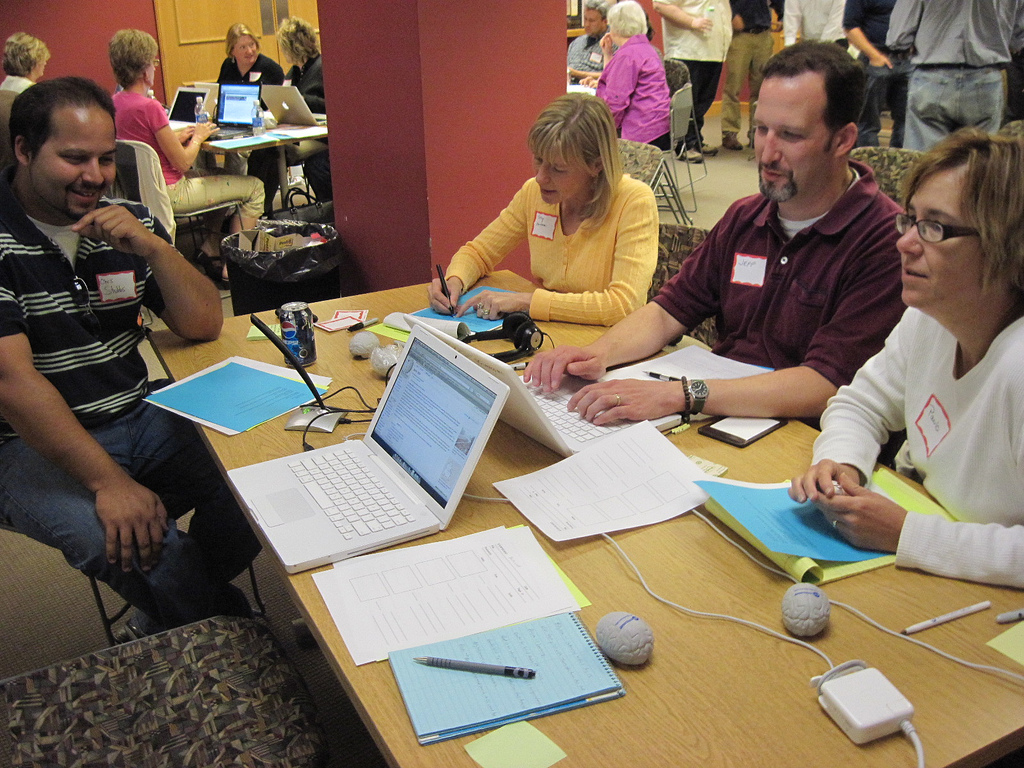
Berlin's digital literacy landscape is poised for significant transformation, with several new products and development initiatives scheduled for release over the next 18 months. The city's tech and education sectors are collaborating on a comprehensive roadmap designed to expand digital competencies across age groups and socioeconomic backgrounds.
Why This Matters Now
In a city where nearly 85% of residents rely on digital technologies daily for work, education, and services, the demand for improved digital literacy has surged. The rapid pace of technological innovation-including artificial intelligence tools, blockchain applications, and smart city solutions-means that without updated skills and resources, many Berliners risk falling behind in a competitive job market. The local government has responded by prioritizing digital education in its Wirtschaftsförderung Berlin programme and digital inclusion initiatives throughout the city.
Berlin’s vibrant startup ecosystem, centered in neighbourhoods like Kreuzberg and Mitte, is already a hotbed for tech innovation. However, the average age of workers in digital fields is dropping, and new entrants frequently face skill gaps. With recent statistics showing that nearly 22% of adults in Berlin report lacking basic digital skills, enhancing literacy access is critical to closing opportunity divides.
Local Initiatives and Key Players
Among the pioneering programs driving Berlin’s digital future is the "Next-Level Byte Initiative" launched by the Berlin Senate in partnership with the Medienboard Berlin-Brandenburg. This initiative plans to roll out interactive learning platforms starting Q4 2026, equipped with AI-driven tutorials that adapt to users’ proficiency and learning styles. These platforms will be piloted initially in community centers across the Neukölln and Friedrichshain districts, aiming to reach at least 50,000 residents in the first year.
Additionally, the TechRamp Accelerator on Linienstraße is gearing up to introduce an open-source toolkit for educators and non-profits that includes real-time analytics for tracking learner progress and engagement. This toolkit is set for deployment by mid-2027 and will be free to use, targeting institutions like the Volkshochschule Berlin and the Open Knowledge Foundation Berlin.
The Berlin Public Library network is also upgrading its digital workshop offerings. At the Zentral- und Landesbibliothek Berlin (ZLB) on Breite Straße, new coding boot camps and cybersecurity awareness sessions will commence next month, designed specifically for senior citizens and unemployed adults.
Data Driving Development
A recent survey conducted by the Berlin Institute for Digital Society found that 68% of respondents were eager to upskill but cited lack of affordable and accessible resources as a primary barrier. To address this, the Senate has allocated €15 million over the next three years toward digital literacy initiatives, reinforcing its commitment to a fair and inclusive digital transformation.
Prices for many of the new digital courses starting in late 2026 will be subsidized, with fees capped at €20 per course for low-income participants. The city expects to see a 30% increase in digital literacy proficiency within targeted communities by 2028 as a result of these investments. Furthermore, pilot programs integrating augmented reality (AR) technology for immersive learning experiences are underway, with potential launches planned for Berlin’s schools in the upcoming academic year.
Looking Ahead
Berliners interested in participating in these new digital literacy programs should keep an eye on announcements from the Berlin Senate Department for Economics, Energy and Public Enterprises and local community centers. Enrollment deadlines for the first wave of courses open as soon as late August.
For employers navigating the talent shortage in digital sectors, collaborating with these education programs can provide skilled recruits tuned to the latest tech trends. Meanwhile, individuals can also explore the ZLB's expanding workshop schedule and upcoming virtual learning events accessible via the public library’s website.
As Berlin readies these new tools and pathways, the city’s digital literacy ecosystem is expected to grow stronger, fostering innovation and inclusivity in Europe’s tech capital.