Technology
Berlin's AI Scene Shifts from Hype to Integration as Startups Target Real-World Problems
Local founders and incubators report a surge in practical AI deployments across logistics, health, and construction, moving beyond chatbots and image generators.
How we reported this
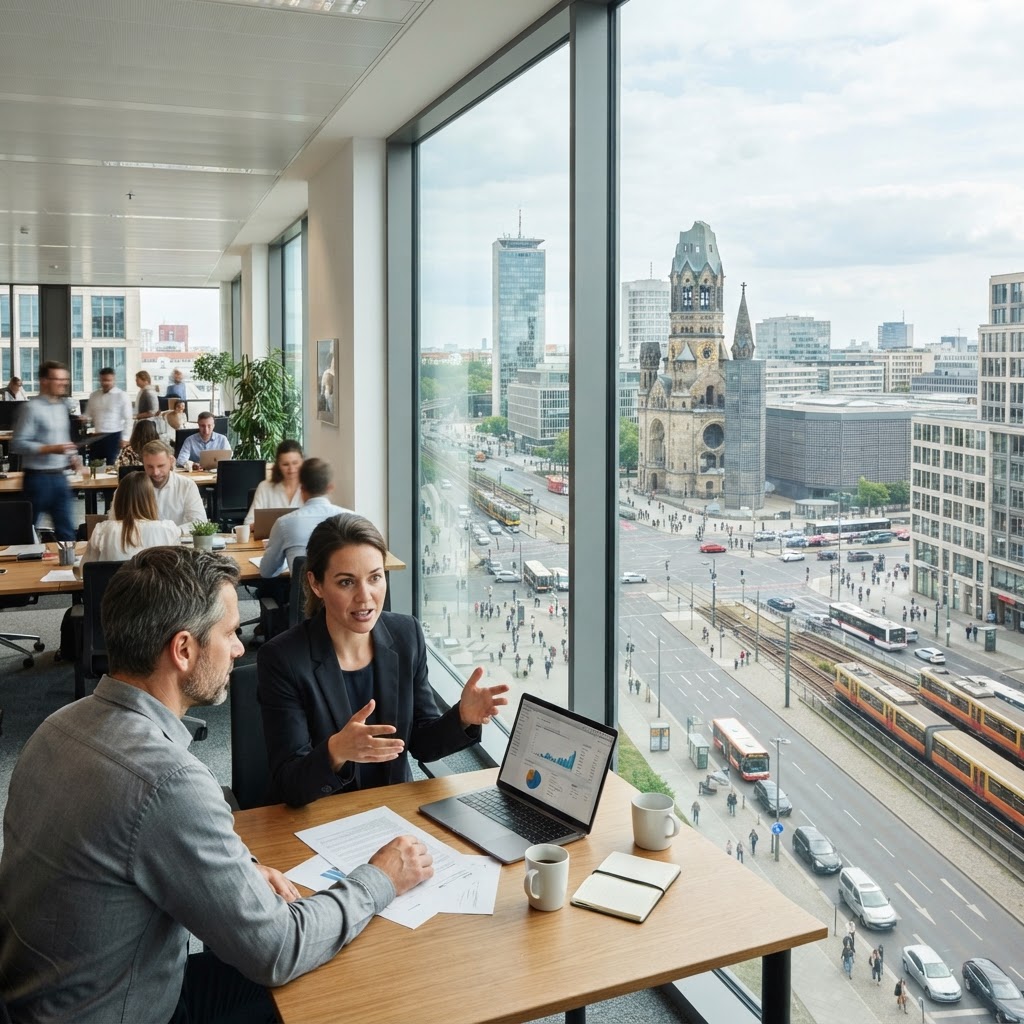
Berlin’s startup ecosystem is pivoting hard from generative-AI experimentation to production-grade deployments, according to founders and investors working across the city's tech hubs from Kreuzberg to Mitte. The shift, underway since early 2026, reflects a broader maturation of the sector as venture capital tightens and businesses demand measurable returns on AI investments.
At least three Berlin-based AI companies have closed series A rounds in the past six weeks, each focused on vertical-specific solutions rather than general-purpose models, according to people familiar with the deals who spoke on condition of anonymity because the terms are not yet public. Kitchen, a shared office and event space on Oranienstraße, hosted a standing-room-only demo night on July 9 where 12 startups presented tools for everything from automated warehouse inspection to real-time translation for hospital emergency rooms.
From Lab to Factory Floor
The most striking change is where AI is being applied. A year ago, most Berlin startup pitches centred on chatbots, copywriting assistants and image generators. Today, founders are showcasing systems that interact with physical infrastructure. One startup, which declined to be named because it is still in stealth mode, has built a computer-vision platform that spots structural cracks in Berlin’s aging U-Bahn tunnels-a problem the city’s transport authority, BVG, has acknowledged it struggles to monitor manually.
“We’re seeing a genuine pull from traditional industries,” said Philipp von der Leyen, a partner at Earlybird Venture Capital, during a panel at the Factory Berlin campus on July 10. “Logistics, construction, healthcare-these sectors have data pipelines and clear pain points. AI is no longer a science project for them; it’s a procurement line item.”
Factory Berlin, which operates out of a former brewery in Mitte, reported on July 11 that 40 percent of its 1,200-plus resident companies now list “AI/ML” as a core technology in their profiles, up from 22 percent at the start of 2025. The organisation’s internal survey, shared with members, also found that 58 percent of those firms are generating revenue from AI products-a figure that would have been rare even two years ago.
New Tools, Old Rules
The regulatory climate is also sharpening founders’ focus. Berlin-based lawyer and startup adviser Anna-Lena von Hodenberg, who specialises in AI compliance, said the number of companies seeking guidance on the European Union’s AI Act has tripled since April. “We see a lot of nervousness, but also a lot of strategy,” she told The Daily Berlin. “Companies that started building general-purpose chatbots in 2024 are now realising they need to pivot to compliant, domain-specific tools if they want to scale beyond Germany.”
The city’s public-sector procurement office, ITDZ Berlin, announced a pilot programme on July 8 that lets startups apply for fast-track contracts to supply AI tools for municipal services like traffic management and waste collection. The programme caps initial contracts at €250,000 and requires vendors to comply with the EU AI Act’s transparency provisions from day one. Eight startups have already submitted expressions of interest, according to a spokesperson.
Not everything is smooth. Several founders told The Daily Berlin that hiring remains brutal-especially for machine-learning engineers with domain expertise in fields like mechanical engineering or life sciences. Average salaries for experienced ML engineers in Berlin have climbed past €120,000 annually, according to multiple recruiter estimates, putting pressure on startups that haven’t yet reached profitability.
For now, the city’s tech scene appears to have absorbed the lesson that the past two years of hype delivered: AI is not a business model on its own. The startups that survive will be the ones that attach their models to a real market, a real industry, and, increasingly, a real regulatory framework. The demo nights continue-but the questions from investors and clients have gotten harder.