Technology
Berlin Reaches Full 5G Coverage Two Years Early, Targets Universal Fiber by 2028
Full 5G coverage arrived two years early, and the city is on track to wire every household for fiber by 2028.
How we reported this
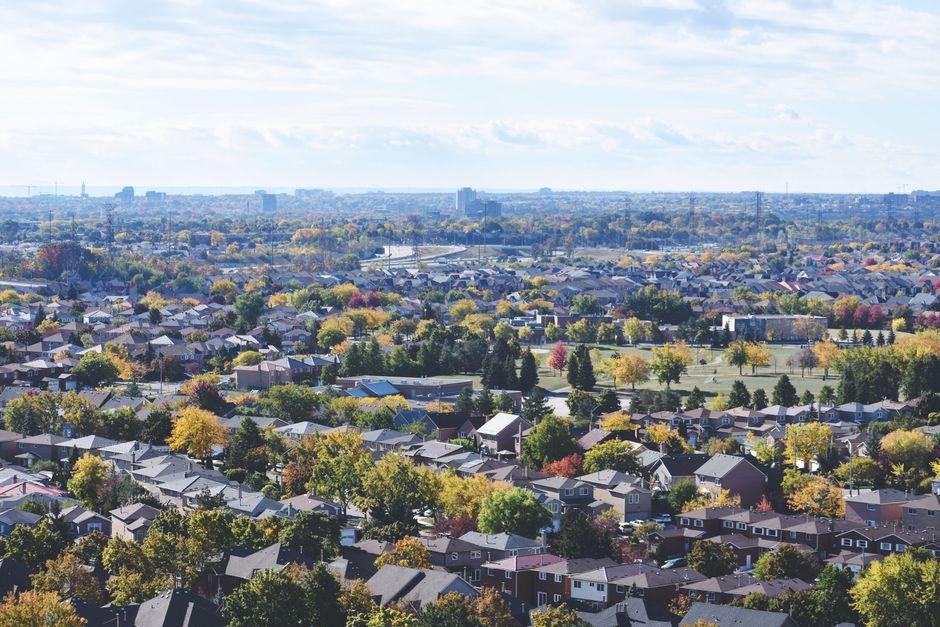
Berlin has quietly passed a connectivity milestone that many residents may not yet feel in their daily scroll speeds, but the city's digital backbone is being rebuilt block by block.
As of 2024, every corner of the city has 100 percent 5G mobile coverage, according to the Berlin Senate's Gigabit Strategy [source 1]. That put the city two years ahead of its original 2025 target. For commuters on the U-Bahn, freelancers hopping between Kreuzberg coffee shops, and delivery riders zigzagging through Mitte, the shift from LTE is invisible but real. Calls don't drop as often at Friedrichstraße station. Video uploads finish before the train doors close.
Yet mobile speed is only half the story. Landline internet in Berlin still lags behind the glossy promises of the city's startup billboards.
Fiber is catching up, slowly
The wired side of the city's connectivity is still catching up. By 2024, fiber optic internet covered 40.8 percent of households and businesses in Berlin, up from 34 percent the year before, according to data published on Berlin.de [source 2]. That is nearly double the coverage from earlier in the decade, but it still leaves the majority of the city on older DSL or cable lines.
The city has set a deadline: full fiber optic internet for all 2.2 million households by 2028 [source 3]. The target means digging, trenching, and stringing fibre through every Altbau courtyard and Plattenbau stairwell from Wedding to Köpenick.
For now, the average broadband download speed in Berlin ranges roughly between 47 and 149 megabits per second, with a median speed of 56 Mbps as of 2024 [source 4]. That is enough to stream Netflix in 4K or run a Zoom call without glitching, but for anyone trying to upload large design files, run a home server, or work with cloud-based AI models, the asymmetry between premium fiber and standard DSL remains noticeable.
What the new connectivity means for daily life
The practical effect of Berlin's buildout shows up in small but telling ways. Event spaces like co.up in Kreuzberg host regular tech meetups, Berlin.js for JavaScript developers, PyBerlin for Python, and Berlin Hack and Tell, where the reliability of Wi-Fi matters as much as the code being demoed [source 7]. Organisers no longer need to warn attendees about flaky connections.
Major internet providers in Berlin include Deutsche Telekom, Vodafone, 1&1, O2, Easybell, and Maingau Energie, offering DSL, cable, and fiber connections [source 5]. Many of those companies are competing to wire apartment blocks along the same corridors, a duplication of effort that speeds up rollout in some neighborhoods while creating patchwork gaps in others.
The city's status as Europe's startup capital depends in part on this infrastructure. Berlin hosts over 100 top startups in 2026, including defense AI company Helsing (€1.4 billion raised) and travel platform GetYourGuide ($1.1 billion funded) [source 3]. Those companies need bandwidth for teams that collaborate across time zones, push updates daily, and train machine-learning models in-house. A gigabit connection is no longer a luxury; it is a line-item on a startup's rent budget.
The city currently has over 3,800 IT and software developer jobs open, according to active listings, with netgo group GmbH alone hiring for 108 roles [source 4]. The median senior software engineer salary in Berlin runs between €100,000 and €125,000, a number that attracts international talent. But those workers often demand fiber as a condition of signing a lease.
As the 2028 fiber deadline approaches, the gap between the city's mobile and fixed-line performance should narrow, and the daily frustration of a spinning buffer wheel should become a rarer, more localised experience. For now, it pays to check whether your building has been lit up for fiber before signing a rental contract in Neukölln or Prenzlauer Berg. The connection you get may determine not just your Netflix queue, but whether your next job offer sticks.