How Berlin runners built lasting fitness into their daily routines—without the motivation crash
From Tiergarten loop regulars to Spree-side commuters, locals share the practical habits that keep them moving year-round.
From Tiergarten loop regulars to Spree-side commuters, locals share the practical habits that keep them moving year-round.
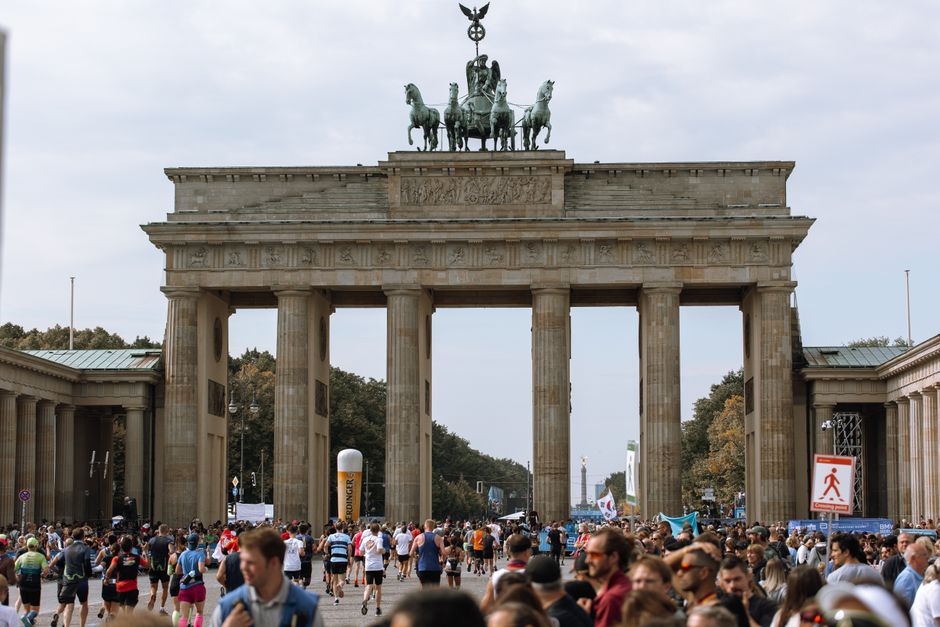
Berlin's running culture thrives not on grand resolutions but on embedded routines. Ask any consistent runner in Prenzlauer Berg or Charlottenburg, and you'll hear the same refrain: success comes from treating running as a non-negotiable appointment, like brushing teeth.
The Tiergarten loop—roughly 5.2 kilometres through the city's green lung—has become a de facto daily habit for thousands. The predictability matters. "I run the same route at the same time most mornings," explains the pattern many locals have adopted. By anchoring their run to a specific time slot, whether 6:30 a.m. before work or 5 p.m. after leaving an office on Kurfürstendamm, they eliminate decision fatigue. The route stays constant; only the seasons change.
Kreuzberg residents have similarly integrated the Landwehr Canal towpath into their commutes. Running from Oberbaum Brücke toward Hallesches Tor transforms a journey into fitness, collapsing two activities into one. This "stacking" habit—attaching exercise to an existing routine—has proven especially durable for working professionals across Berlin's business districts.
The city's outdoor gym network, now spanning over 80 locations across neighbourhoods from Wedding to Tempelhof-Schöneberg, has introduced another accessible habit: the 15-minute strength-training stop mid-run. Locals report that these free installations provide just enough resistance work to prevent the repetitive strain that derails casual runners after several months.
Weather adaptation is perhaps the most critical daily habit Berlin runners have mastered. Unlike cities with gentler winters, Berlin demands genuine commitment October through March. Successful locals invest in reflective gear early and embrace shorter, steady routes rather than abandoning training entirely. Running in 4°C rain becomes normalized—just another Tuesday.
Community accountability plays a quieter role. Running clubs like Run Berlin and neighbourhood-based groups create low-pressure social structures. Members report that simply knowing a few familiar faces will be at Tiergarten's eastern entrance on Wednesday evenings maintains consistency far better than solo discipline.
The most successful local habit transcends performance metrics. Rather than chasing pace or distance, established runners frame their habit as a mental-health anchor—a 30-minute pocket of autonomy and fresh air that justifies itself regardless of speed or distance. This shift in motivation, from external achievement to internal regulation, often marks the moment when running stops being a temporary project and becomes simply how Berlin residents move through their city.
This article was compiled by AI from the sources linked above and screened before publishing. See our editorial standards.
How does this story make you feel?
Spread the word
About this article
Published by The Daily Berlin
Daily brief
Free, in your inbox before 7am. Weekdays.
More in Wellness