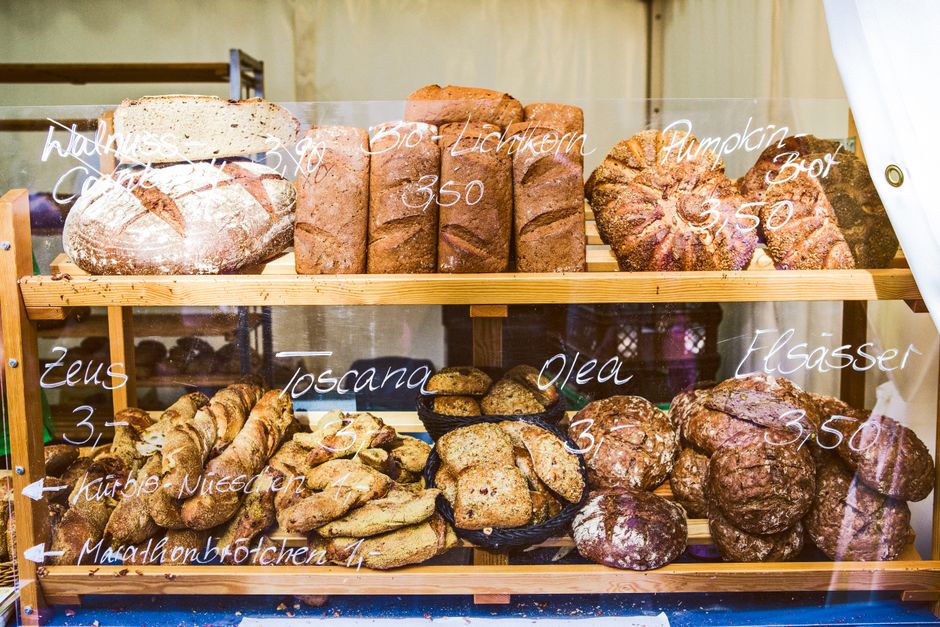
Berlin's reputation for wellness extends far beyond yoga studios and juice bars. The city's extensive farmer's market network—operating year-round across more than 80 weekly locations—represents one of the most underutilized health resources in the city, offering direct access to seasonal produce, nutritional guidance, and price transparency that commercial supermarkets simply cannot match.
The Markthalle Neun in Friedrichshain, operating Thursdays and Saturdays on Usedom Strasse, has become something of a pilgrimage site for nutrition-conscious Berliners. Over 70 vendors sell everything from heritage tomato varieties to freshly milled grains, with many producers offering informal consultations on preparation and nutritional content. A kilogram of seasonal asparagus or strawberries typically costs 20–30% less than supermarket equivalents, a meaningful saving for those building sustainable eating habits on a realistic budget.
For those in the western districts, the Saturday market at Kollwitzplatz in Prenzlauer Berg draws serious gardeners and small-scale farmers who can speak directly about growing methods, harvest timing, and storage. The Biomarkt am Wittenbergplatz in Schöneberg offers certified organic produce year-round, with staff trained in basic nutritional advice—useful if you're navigating dietary shifts or seasonal eating patterns.
But the real hidden gem is the network coordinated through Berlin's Senat für Verbraucherschutz (Consumer Protection Senate). Their online platform, updated weekly, lists 82 regular markets across all districts, with opening hours and vendor specializations. This resource allows you to plan shopping strategically: visiting the Tuesday market near the Tiergarten before a run, or timing weekend shopping at Charlottenburg Palace market with a cycle ride along the Spree.
What makes these markets genuinely valuable for wellness is the relationship-building aspect. Regular vendors become familiar with repeat customers' preferences, can advise on ripeness and preparation, and often provide season-specific guidance—essential knowledge if you're committing to eating with the calendar rather than against it.
For many Berliners, particularly those interested in joint health and preventive nutrition, the shift from packaged goods to fresh, seasonal produce sourced from farmers within Brandenburg represents a tangible wellness intervention. The markets function as both grocery shops and informal education spaces, where real nutritional knowledge circulates through conversation.
Start with your nearest weekday market. Build the habit gradually. The investment of time pays dividends in both your health and your wallet.
This article was compiled by AI from the sources linked above and screened before publishing. See our editorial standards.