Berlin's 60-Plus Set Are Redefining Active Ageing—And The City Is Keeping Up
From Tiergarten running clubs to waterfront mobility programmes, seniors are driving a fitness revolution that's reshaping how the city thinks about later-life wellness.
From Tiergarten running clubs to waterfront mobility programmes, seniors are driving a fitness revolution that's reshaping how the city thinks about later-life wellness.
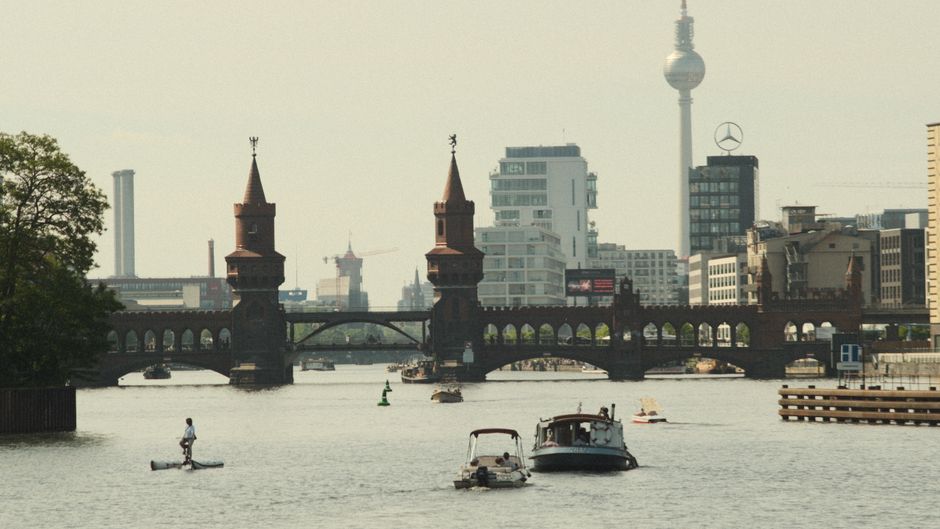
Walk through Tiergarten on a Tuesday morning and you'll spot them: joggers with silver hair, moving steadily past the Neuer See. Five years ago, such a sight would have raised eyebrows. Today, it's routine—part of a quiet but unmistakable shift in how Berlin's older population approaches health and movement.
The numbers tell the story. Berlin's population aged 60 and over now exceeds 800,000, and an increasing proportion are treating mobility and strength training not as recovery protocols but as lifestyle foundations. This demographic shift has triggered a corresponding boom in locally tailored wellness offerings designed specifically for active ageing—and Berlin's progressive infrastructure is uniquely positioned to support it.
The city's outdoor gym network, distributed across 80-plus public sites from Prenzlauer Berg to Charlottenburg, has become a de facto hub for seniors seeking low-cost, accessible strength work. Equipment stations are calibrated for varied mobility levels, and many operate on a pay-what-you-wish model. Organisations like the Berliner Turnerbund have expanded their 60+ aquatic fitness classes at municipal pools across the city, with sessions at venues like Plötzensee offering shallow-water movement programmes twice weekly at €8 per session.
What's driving this trend? Partly, it's the recognition that small, consistent movement—not just formal exercise—protects joints and maintains independence. The Wannsee bathing culture, long associated with recreation, has evolved too: several lakeside facilities now offer mobility-focused swimming times and post-swim physio consultations during summer months.
Cycling, too, has become central to the narrative. Berlin's 860 kilometres of cycle routes mean that staying mobile doesn't require gym membership. Organisations like ADFC Berlin run free orientation rides specifically for older cyclists, mapping low-traffic routes through Köpenick, Zehlendorf, and along the Spree corridor.
Yet accessibility remains uneven. While Kreuzberg and Mitte boast concentrated wellness infrastructure, outer boroughs like Spandau still lack integrated programmes. Cost, too, can be prohibitive for pensioners on fixed incomes, despite subsidies through the Berliner Sportamt.
Still, the cultural shift is undeniable. Wellness for older Berliners is no longer reactive—treating decline after it occurs. It's proactive: maintaining capacity, connection, and autonomy. The city's cycle lanes, water facilities, and open-air gyms have become incidental tools in what amounts to a new contract between ageing and activity.
For those considering starting: consult your GP or a physiotherapist based locally before beginning any new movement programme.
This article was compiled by AI from the sources linked above and screened before publishing. See our editorial standards.
How does this story make you feel?
Spread the word
About this article
Published by The Daily Berlin
Daily brief
Free, in your inbox before 7am. Weekdays.
More in Wellness