Small moves, big results: The daily habits keeping Berlin's over-60s mobile and active
From Tiergarten running groups to neighbourhood water aerobics, locals share the routines that work.
From Tiergarten running groups to neighbourhood water aerobics, locals share the routines that work.
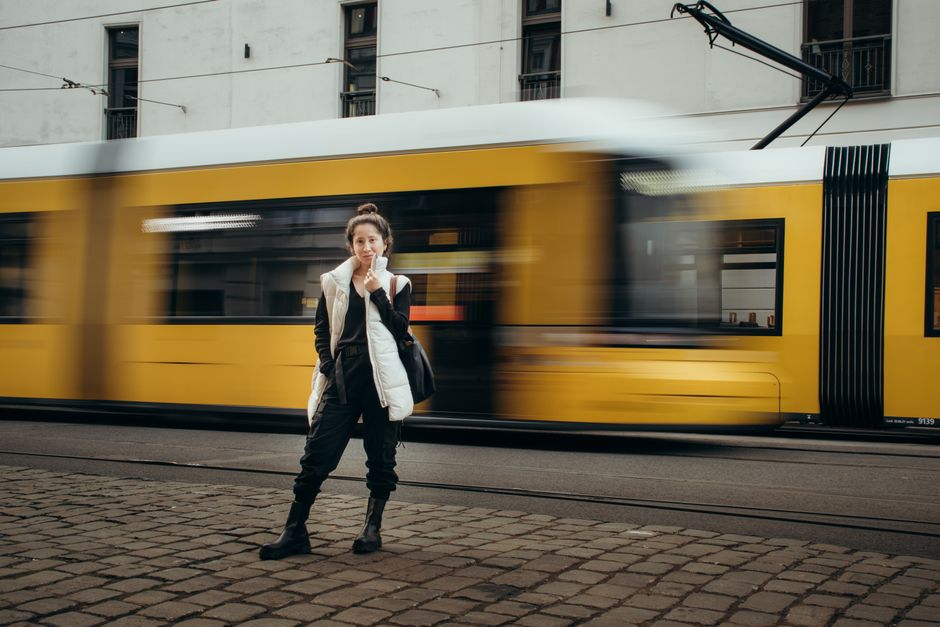
On any given Tuesday morning, the paths around Tiergarten fill with a particular kind of energy. Older Berliners, many well into their sixties and seventies, move steadily through the park—some power-walking in pairs, others cycling at a contemplative pace. These aren't isolated fitness enthusiasts; they're part of a quiet shift in how seniors across the city approach daily movement.
Unlike the viral fitness trends that dominate social media, the most effective mobility strategies locals have adopted are deceptively simple. They're built into routine, woven into neighbourhood rhythms, and reinforced by Berlin's uniquely walkable infrastructure.
"The secret isn't one big thing," explains a physiotherapist at the Charlottenburg Sports Medicine Clinic. "It's consistency. A fifteen-minute walk before breakfast. Taking the stairs at U-Bahn stations. Standing while on video calls. These micro-habits accumulate."
Across districts like Kreuzberg and Schöneberg, community centres offer subsidised aqua fitness sessions—typically €8–12 per class—that draw regular participants. Water-based exercise reduces joint strain while maintaining cardiovascular fitness, a combination particularly valued by those managing arthritis or previous injuries. Demand has grown so much that some venues now run three sessions weekly.
Cycling remains embedded in Berlin's culture, and many older adults use it strategically. "I cycle to the market on Thursdays, to my friend's house on Sundays," says one regular at the Wannsee area. The city's extensive, flat cycle paths mean this transport doubles as low-impact exercise without feeling like formal training.
The Tiergarten running hub has also quietly expanded its walking groups. What began five years ago as informal meetups has evolved into structured morning and evening routes catering specifically to people over sixty. The social component matters as much as the movement: accountability, conversation, and shared purpose.
Indoor alternatives matter during Berlin's harsh winters. Many neighbourhoods now host free or low-cost chair-based movement classes through Volkshochschulen (adult education centres). These focus on balance, flexibility, and strength—essential for preventing falls, the leading cause of injury-related disability in older adults.
The through-line connecting these habits is accessibility and integration. They don't require gym memberships, special equipment, or dramatic lifestyle overhauls. They fit into existing routines, leverage Berlin's public infrastructure, and build community.
For those seeking personalised guidance, consulting a local GP or physiotherapist remains the essential first step, particularly before starting new activities or managing existing conditions.
This article was compiled by AI from the sources linked above and screened before publishing. See our editorial standards.
How does this story make you feel?
Spread the word
About this article
Published by The Daily Berlin
Daily brief
Free, in your inbox before 7am. Weekdays.
More in Wellness