Five Daily Habits Berlin Residents Swear By for Yoga and Meditation Success
From Kreuzberg studios to Tiergarten morning routines, locals share the practical rituals that have made mindfulness stick.
From Kreuzberg studios to Tiergarten morning routines, locals share the practical rituals that have made mindfulness stick.
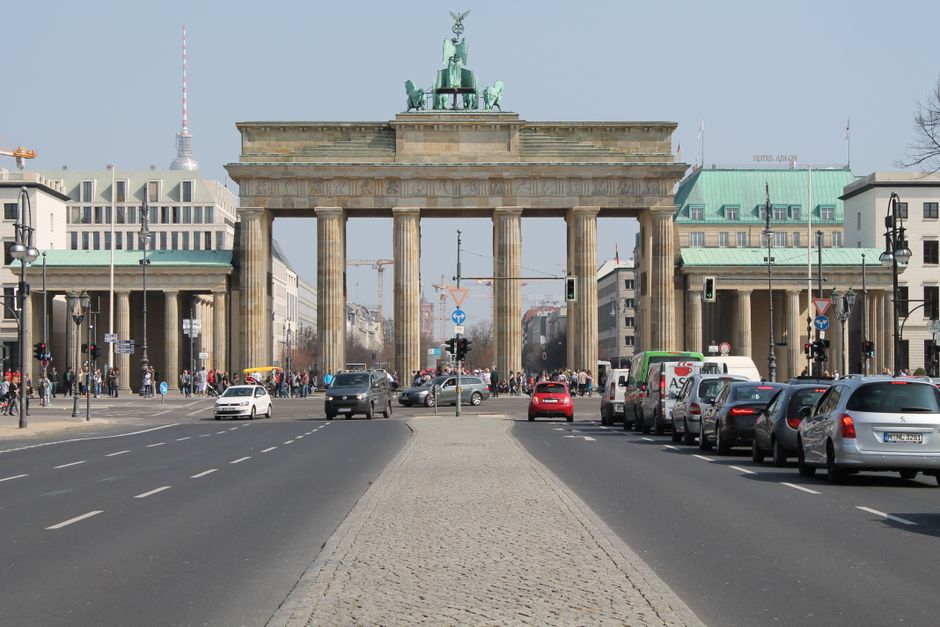
Berlin's wellness landscape has shifted noticeably over the past three years. While yoga studios once clustered around affluent neighbourhoods, today's most committed practitioners are embedding practice into everyday routines—not as luxury retreats, but as accessible anchors for mental clarity.
The most successful habit, according to interviews with regulars at studios across Schöneberg, Friedrichshain, and Kreuzberg, is the "anchor practice": linking meditation to an existing daily action. Morning coffee becomes a five-minute seated meditation. The S-Bahn commute transforms into breath work. Evening teeth-brushing precedes two minutes of grounding. This approach, borrowed from habit-stacking psychology, requires zero additional time.
A second pattern emerges among Tiergarten runners and Wannsee swimmers: moving meditation. Rather than treating yoga as separate from exercise, locals integrate gentle flows into cool-down routines. The Tiergarten's open spaces—particularly around the Neuer See—have become informal outdoor studios, especially on summer mornings. One free resource many overlook: Berlin's outdoor gyms (installed across Mitte, Charlottenburg, and Tempelhof) often have flat, quiet zones suitable for practice.
Location matters more than many realize. Practitioners report higher consistency when studios sit on familiar routes. Kreuzberg's cluster of independent studios along Mehringdamm and Hallesches Tor sees stronger attendance than isolated venues. Monthly class passes typically cost €50–80, though many studios offer community rates.
The third habit is "micro-session" practice: three 10-minute sessions beat one 30-minute attempt for consistency. Morning sun salutations while listening to podcasts, midday body scans on park benches near Checkpoint Charlie, evening yin flows at home—this fragmentation removes the barrier of finding a full hour.
Community accountability has proven surprisingly effective. Several neighbourhood groups now meet informally: Tuesday mornings in Prenzlauer Berg, Thursday evenings in Charlottenburg. These cost nothing and create gentle social pressure to show up.
Finally, locals stress the importance of treating meditation as a verb, not a state. Rather than chasing perfect stillness, successful practitioners focus on consistency over quality. A distracted five-minute session counts as a win; missed days trigger gentle recommitment rather than shame.
The pattern is clear: Berlin's most consistent yoga and meditation practitioners aren't those with the fanciest mats or retreat budgets. They're the ones who've woven practice into existing rhythms, chosen proximity over prestige, and accepted imperfection as part of the process.
This article was compiled by AI from the sources linked above and screened before publishing. See our editorial standards.
How does this story make you feel?
Spread the word
About this article
Published by The Daily Berlin
Daily brief
Free, in your inbox before 7am. Weekdays.
More in Wellness