Berlin's Free Senior Fitness Revolution: How the Council is Keeping Older Adults Moving
From Tiergarten to Charlottenburg, the city's expanding network of complimentary group exercise classes is reshaping wellness for residents over 60.
From Tiergarten to Charlottenburg, the city's expanding network of complimentary group exercise classes is reshaping wellness for residents over 60.
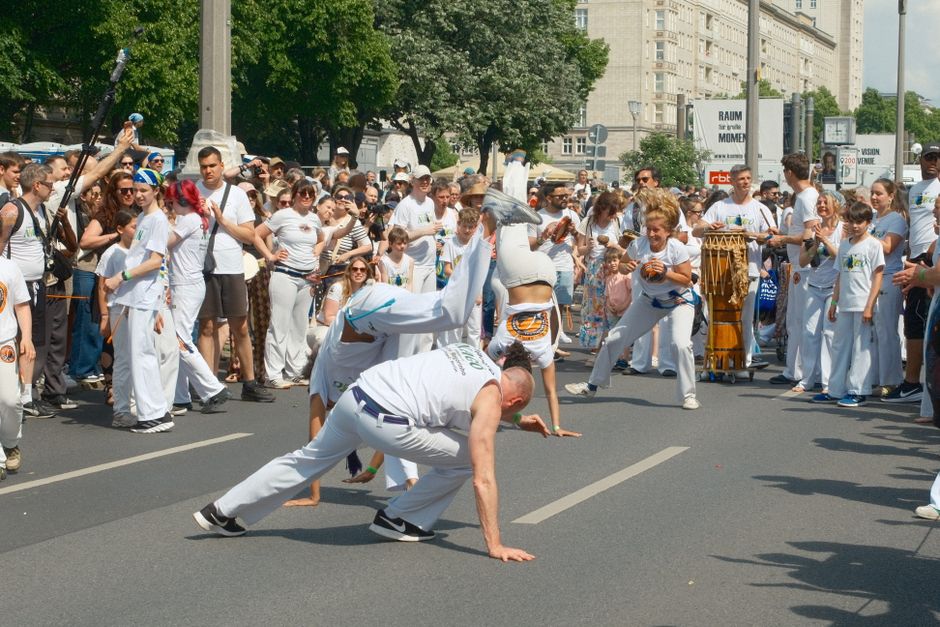
For decades, fitness culture in Berlin skewed young. But a quiet revolution has been unfolding across the city's districts, one free exercise class at a time. The Berlin Senate's Department of Integration, Labour and Social Affairs has quietly expanded its Seniorenaktiv (Senior Active) programme, offering comprehensive, zero-cost fitness initiatives that meet older adults where they already live.
The numbers tell a compelling story. Since 2024, participation in council-sponsored senior fitness programmes has grown by nearly 40%, with over 8,000 regular attendees across all twelve districts. Pankow leads engagement with 890 weekly participants, while even smaller neighbourhoods like Lichtenberg now host dedicated aquatic exercise sessions at the Rummelsburger Bad.
What sets Berlin's approach apart isn't novelty—it's accessibility without gatekeeping. Sessions run from early morning until early evening, accommodating those with irregular schedules or caregiving responsibilities. The Tiergarten hub alone offers twelve weekly classes, from tai chi and low-impact aerobics to Nordic walking groups that meander through the park's 210 hectares. Charlottenburg residents benefit from twice-weekly water-based fitness at the Charlottenburg Palace bath complex, particularly valuable for those managing arthritis or recovering from injury.
Funding comes through the city's preventative health budget, which allocates roughly €2.3 million annually to senior fitness initiatives—a figure that has nearly tripled since 2022. Trainers receive standardised certification in gerontological exercise science, ensuring classes account for balance, bone density, and cardiovascular variation rather than applying one-size-fits-all methodology.
The psychological dimension matters equally. Research from the Robert Koch Institute notes that social isolation among over-60s in urban centres contributes significantly to cognitive decline and mental health challenges. Group fitness naturally combats this. Regular participants report not just improved mobility and strength, but expanded social networks and restored sense of purpose—factors that prove as vital as any physiological gain.
Importantly, these programmes exist alongside Berlin's robust cycling infrastructure and outdoor gym installations. The city recognises that senior fitness isn't confined to formal classes. Yet for those seeking structured guidance, community accountability, and zero financial barrier, the council's offering has become transformative.
To locate your nearest Seniorenaktiv programme, visit the Berliner Stadtreinigung website's health portal or contact your local Bezirksamt. Classes remain genuinely free—no membership, no hidden fees. This isn't wellness as luxury. It's wellness as public health infrastructure.
This article was compiled by AI from the sources linked above and screened before publishing. See our editorial standards.
How does this story make you feel?
Spread the word
About this article
Published by The Daily Berlin
Daily brief
Free, in your inbox before 7am. Weekdays.
More in Wellness