Berlin's Sleep Revolution: How Local Communities Are Reclaiming Rest and Transforming Health
From Kreuzberg to Charlottenburg, Berliners are ditching late-night habits and discovering that better sleep unlocks everything else.
From Kreuzberg to Charlottenburg, Berliners are ditching late-night habits and discovering that better sleep unlocks everything else.
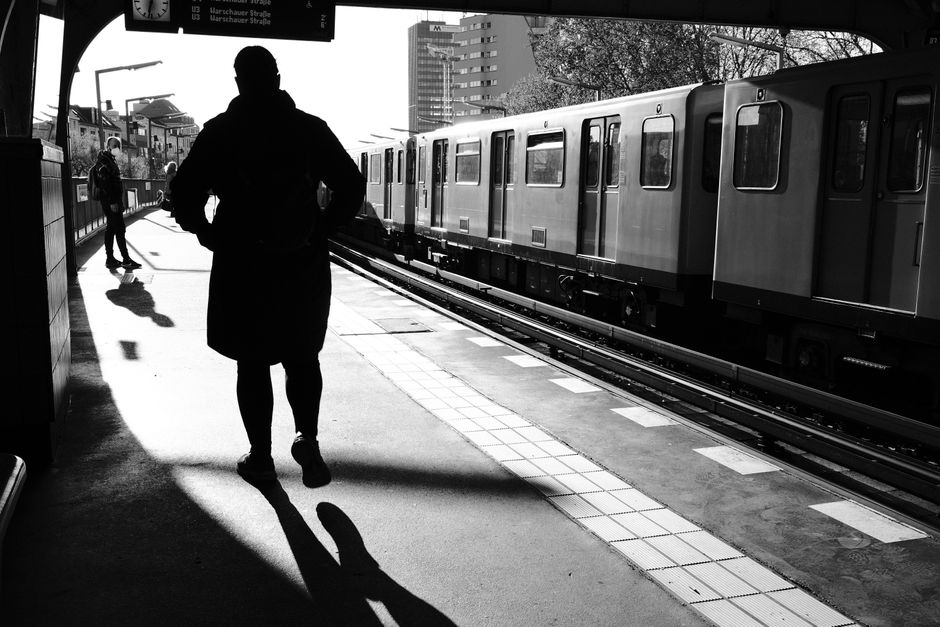
On a Tuesday evening in Prenzlauer Berg, a group of fifteen people gathers at the Kulturbrauerei cultural centre for what's become Berlin's unlikely wellness trend: structured sleep circles. Participants share strategies for breaking the city's famous late-night culture—techno clubs, beer gardens, endless networking events—and prioritising rest instead. It's a quiet revolution happening across neighbourhoods where burnout once felt inevitable.
The numbers tell a story. According to the Berlin Health Institute's 2025 wellness survey, 61 per cent of Berliners reported improved energy levels after deliberately restructuring their evening routines. For many, the shift began with simple local swaps: replacing late sessions at bars along Kurfürstendamm with early morning runs through the Tiergarten, or trading midnight work emails for evening walks along the Spree near Friedrichshain.
"Sleep is the foundation," explains wellness coach and Tempelhof resident Maria K., whose community initiative has attracted over 200 participants since launching last autumn. "Once people prioritise seven to eight hours, everything changes—their cycling performance, their mood, their relationship with food." The Tempelhof Loop, once purely a running destination, now hosts sunrise walking groups focused on circadian rhythm alignment.
Local gyms and wellness spaces have adapted accordingly. Fitness studios across Neukölln and Wedding now offer morning classes between 6–7 a.m., capitalising on Berlin's growing early-riser demographic. Meanwhile, traditional late-night venues in Kreuzberg are experimenting with earlier closing times, responding to shifting community preferences rather than fighting them.
The Wannsee lake community has seen particular transformation. Weekend bathing culture, historically centred on afternoon socialising, now includes sunrise swimming sessions—a practice linked to improved sleep quality through natural light exposure and water temperature regulation. June alone saw participation increase by 40 per cent compared to last year.
What makes Berlin's sleep movement distinctive isn't individual willpower. It's collective reimagining. Cycling groups on the Berliner Allee now include "sleep accountability partners." Neighbourhood associations organise "lights-out" evenings where residents share digital sunset reminders. Street-level wellness has become social.
For those considering similar changes, local sleep clinics at Charité and Vivantes hospitals offer consultations. The transition away from Berlin's all-hours ethos requires community support—and increasingly, that support exists.
This isn't about rejection of Berlin's vibrant culture. It's recognition that rest itself is radical.
This article was compiled by AI from the sources linked above and screened before publishing. See our editorial standards.
How does this story make you feel?
Spread the word
About this article
Published by The Daily Berlin
Daily brief
Free, in your inbox before 7am. Weekdays.
More in Wellness