Five Stress-Busting Habits Berlin Residents Swear By—And Why They Actually Work
From early-morning cycles along the Spree to lunchtime breathing breaks in Tiergarten, locals have cracked the code on managing urban anxiety.
From early-morning cycles along the Spree to lunchtime breathing breaks in Tiergarten, locals have cracked the code on managing urban anxiety.
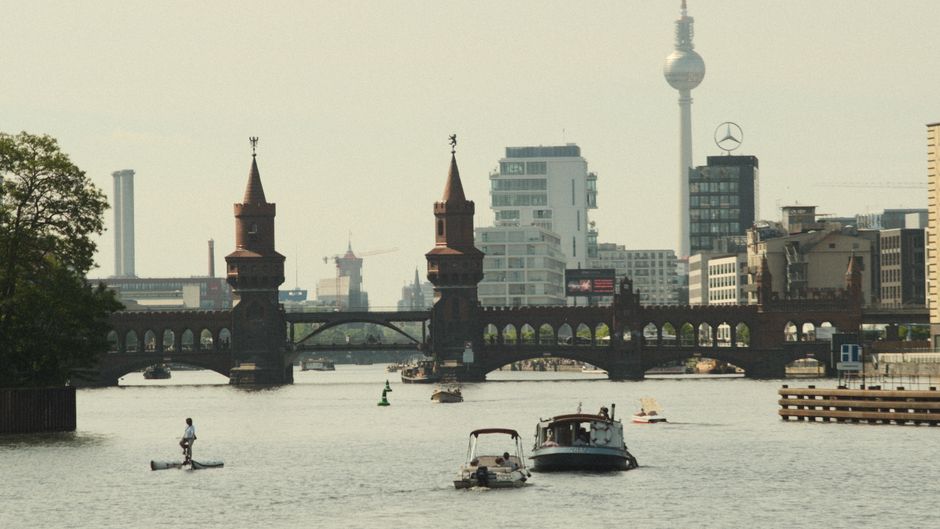
Berlin's wellness conversation has shifted. While meditation apps and therapy remain important, many residents are finding that the most sustainable stress relief comes not from grand gestures, but from small, repeatable habits woven into daily life.
A growing number of Berliners are starting their mornings with movement along the city's extensive cycling infrastructure. The 75-kilometre network that connects Mitte to Köpenick offers what psychologists call "active mindfulness"—a state where physical rhythm and natural surroundings quieten racing thoughts. Local cycling groups report consistent participation, suggesting this isn't a passing trend but a genuine lifestyle anchor for many commuters managing high-pressure jobs.
The midday pause is another habit gaining traction. Tiergarten, accessible from nearly every central neighbourhood, has become an informal stress-reset hub. Workers from Charlottenburg to Friedrichshain carve out 20-minute breaks to sit by the Neuer See or walk the quieter paths near the Landwehr Canal. Research from mindfulness institutes consistently shows that green-space exposure reduces cortisol levels; Berlin's generous park system makes this accessible to everyone, regardless of income.
Water immersion—particularly at Wannsee and the Müggel Lake—represents a third pillar. Cold-water swimming, which gained attention during recent heatwaves, combines physical resilience with psychological reset. Several open-water swimming communities now meet regularly, creating both ritual and social connection, two recognised stress-management tools.
Digital disconnection is the fourth habit. A notable minority of residents have adopted "phone-free hours" between 19:00 and 21:00, often coinciding with walks through neighbourhoods like Kreuzberg or Prenzlauer Berg. Without formal tracking, it's hard to quantify, but local wellness studios report increased demand for evening classes—suggesting residents are protecting that time intentionally.
Finally, many Berliners are formalising breathing practice. Organisations across the city—from community centres in Tempelhof to studios in Schöneberg—offer affordable breathwork sessions (typically €8–15 per class). The accessibility matters: these aren't exclusive practices, but integrated into the fabric of ordinary life.
What makes these habits successful isn't novelty; it's consistency and local infrastructure. Berlin's progressive wellness culture and geography create conditions where stress management feels natural rather than effortful. The key isn't finding the "right" practice, but building the one that fits your routine.
For personalised stress-management strategies, consult a local healthcare provider or therapist.
This article was compiled by AI from the sources linked above and screened before publishing. See our editorial standards.
How does this story make you feel?
Spread the word
About this article
Published by The Daily Berlin
Daily brief
Free, in your inbox before 7am. Weekdays.
More in Wellness