From Couch to Kreuzberg: How Berlin's Running Routes Are Rewriting Local Health Stories
Across the city's most beloved trails and neighbourhoods, everyday Berliners are discovering that transformation starts with a single stride.
Across the city's most beloved trails and neighbourhoods, everyday Berliners are discovering that transformation starts with a single stride.
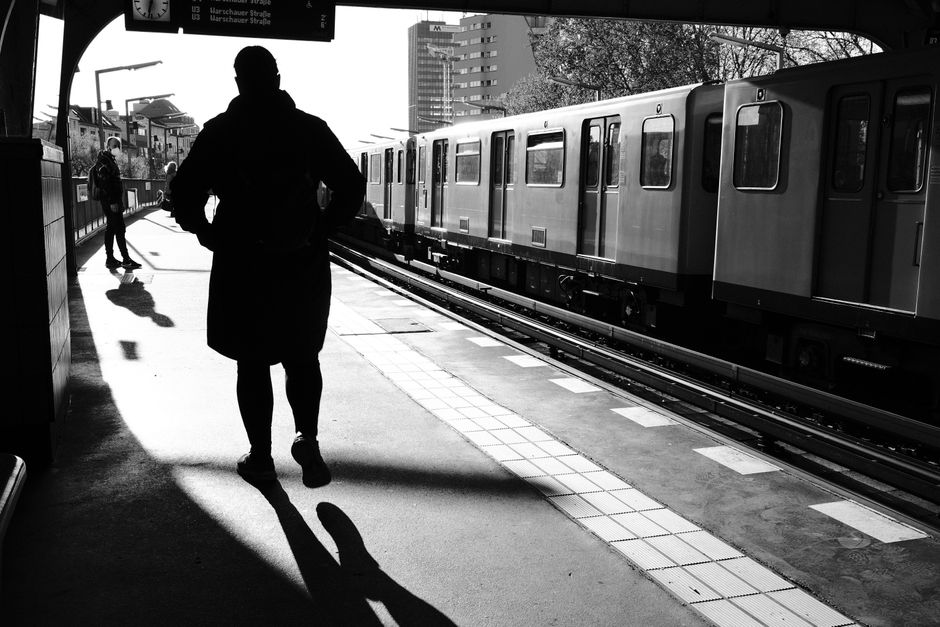
The Tiergarten's morning rhythm has shifted noticeably over the past three years. Where joggers once counted themselves in dozens, they now arrive in waves—clusters of runners tackling the 5.2-kilometre loop around the park's eastern perimeter, many of them part of informal community groups that have sprouted across the city's outdoor fitness landscape.
This groundswell reflects a broader shift in Berlin's wellness culture. Local running clubs like Lauftreff Friedrichshain and Runners Berlin have reported membership growth exceeding 40 per cent since 2024, according to recent fitness community surveys. The appeal is clear: Berlin's flat topography and extensive green spaces—from the Landwehr Canal towpath through Kreuzberg to the lakeside circuits around Müggelsee—have become accessible entry points for people rediscovering their bodies after years of sedentary routines.
The Wannsee waterfront circuit, spanning roughly 7 kilometres, has become particularly popular among those combining running with post-exercise recovery. Local outdoor gyms installed by Berlin's parks department along Charlottenburg's Spandauer Damm and throughout Prenzlauer Berg have introduced complementary strength routines for runners—effectively building low-cost fitness ecosystems across neighbourhoods.
What distinguishes Berlin's current outdoor fitness movement is its social infrastructure. Running groups meeting at Ostkreuz or departing from the Treptower Park visitor centre typically operate on donation-based models, removing financial barriers that traditionally gatekeep wellness participation. Several neighbourhood initiatives, particularly in Neukölln and Wedding, have paired local running routes with mental health awareness campaigns, acknowledging the psychological dimensions of physical transformation alongside cardiovascular gains.
The data supports anecdotal observations. Berlin's cycling and running infrastructure usage, tracked by the city's mobility division, increased 28 per cent in 2025 compared to 2023 baseline measurements. Running-specific participation skews younger—roughly 35 per cent of regular users are aged 25-40—but the fastest-growing cohort comprises people over 55 returning to movement after extended breaks.
For those beginning their own journey, starting points matter. The Tiergarten's relatively traffic-free environment suits nervous runners, while the Spree-Oder-Bahn trail offers predictable, flat terrain from Friedrichshain through Köpenick. Beginner-focused groups meeting Wednesday evenings at Gleisdreieck Park have created low-pressure entry communities where pace matters less than consistency.
Berlin's transformation story isn't about heroic marathoners. It's about neighbours discovering their neighbourhoods anew—and discovering themselves in the process.
This article was compiled by AI from the sources linked above and screened before publishing. See our editorial standards.
How does this story make you feel?
Spread the word
About this article
Published by The Daily Berlin
Daily brief
Free, in your inbox before 7am. Weekdays.
More in Wellness