How to Start a Walking Group in Your Neighbourhood
Berlin's thriving community fitness scene makes it easier than ever to build a local walking culture—here's exactly how to begin.
Berlin's thriving community fitness scene makes it easier than ever to build a local walking culture—here's exactly how to begin.
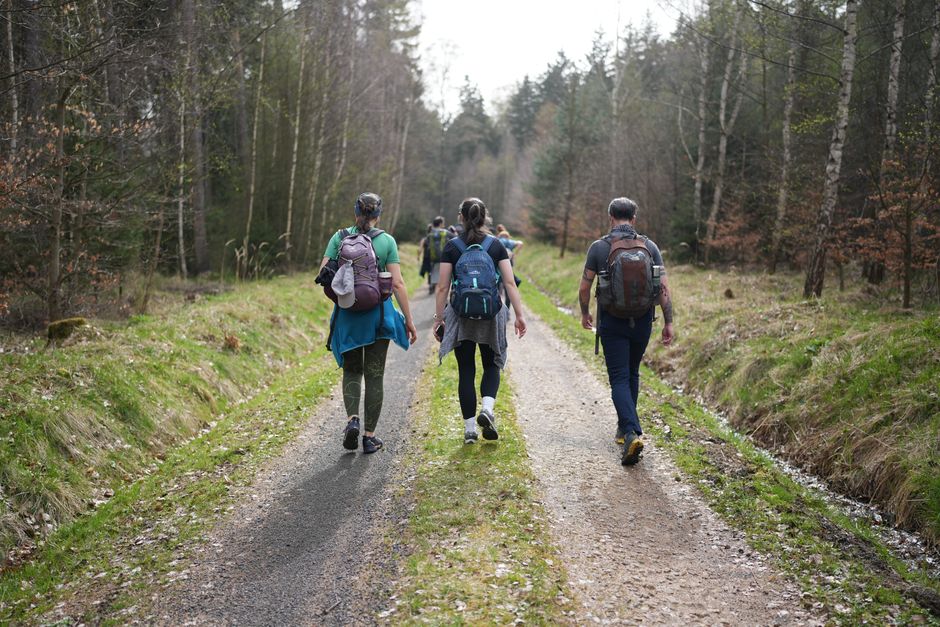
Walking groups have become a cornerstone of Berlin's wellness landscape, transforming solitary strolls into social ritual. Whether you're in Prenzlauer Berg, Kreuzberg, or Charlottenburg, launching a neighbourhood walking group requires surprisingly little—just intention, a route, and word-of-mouth momentum.
Start by mapping a realistic loop. Berliner Jogger and similar local running platforms show that 5–8 kilometres is the sweet spot for inclusive group walks; long enough to feel purposeful, short enough that beginners and older adults won't feel discouraged. If you're based in Mitte, the Tiergarten's canal-side paths offer shaded, flat terrain perfect for mixed-ability groups. In Köpenick, the Müggel forest provides a more adventurous alternative. Neukölln walkers often favour the Tempelhofer Feld's open expanses, while Spandau residents enjoy loops around the Tegeler See.
Next, choose your frequency. Most successful neighbourhood groups meet weekly—Tuesday or Thursday evenings work well for working professionals, Saturday mornings for families. Pick a consistent time and stick to it; reliability is what transforms casual interest into habit.
Publicise locally. Post flyers at your local Biomarkt, café, or community notice board—most Berlin neighbourhoods have one. Create a simple WhatsApp group or use free platforms like Meetup, which Berlin residents increasingly check for community activities. A Facebook event costs nothing and reaches neighbours digitally. Keep messaging simple: start point, time, distance, pace, and whether it's free (most are).
Consider logistics. Walking groups don't require membership fees or formal structure, but establishing a clear meeting point—say, the U-Bahn exit on Kastanienallee in Prenzlauer Berg, or the Treptower Park entrance—removes confusion. Decide early whether you'll walk rain or shine; Berlin's climate demands flexibility, and committed groups typically do both.
Connect with existing infrastructure. Berlin's ALBA Berlin and numerous Sportvereine (sports clubs) run structured fitness events; your walking group needn't compete, but knowing what's available helps you find your niche. Some neighbourhoods already have Seniorenwandergruppen (senior walking groups) run through local councils—linking with established groups can share knowledge and occasionally combine efforts.
Finally, foster community. Walking naturally creates conversation space; use it. Ask members what they'd like from the group—social connection, fitness, exploration, or simply routine. A WhatsApp message the day before a walk confirming attendance builds commitment.
Starting small—even five regular walkers—creates momentum. Within months, word spreads. Berlin's progressive wellness culture means people are hungry for exactly this: free, accessible, social movement woven into neighbourhood life.
This article was compiled by AI from the sources linked above and screened before publishing. See our editorial standards.
How does this story make you feel?
Spread the word
About this article
Published by The Daily Berlin
Daily brief
Free, in your inbox before 7am. Weekdays.
More in Wellness