How to Start a Walking Group in Your Neighbourhood
Berlin's thriving community fitness culture makes it easier than ever to gather neighbours for regular walks—here's where to begin.
Berlin's thriving community fitness culture makes it easier than ever to gather neighbours for regular walks—here's where to begin.
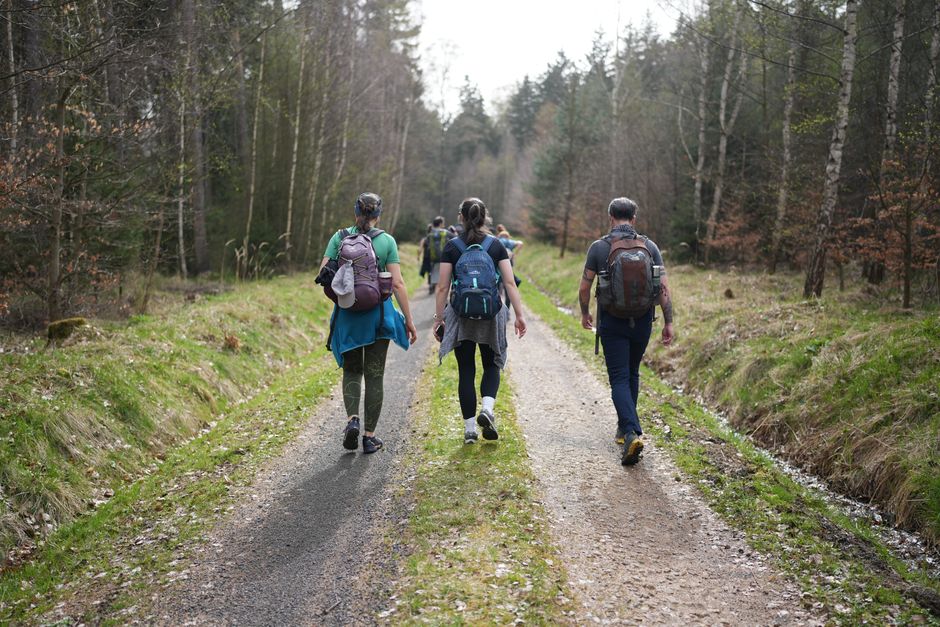
Walking groups have become one of Berlin's most accessible wellness trends. Unlike gym memberships or structured classes, they require minimal investment and maximum flexibility—perfect for the city's diverse, time-stretched residents. Whether you live in Prenzlauer Berg, Friedrichshain, or Charlottenburg, starting a neighbourhood walking group is entirely feasible, and the logistics are simpler than you might think.
Begin by identifying your core group. A walking club thrives on consistency, so recruit 3–5 committed neighbours first. Use building noticeboards, local Facebook groups like those centred around specific postcodes (10115 for Mitte, 10405 for Friedrichshain), or Nextdoor Berlin to gauge interest. The city's established running communities—particularly those organising meetups around Tiergarten's 520 hectares or along the Landwehr Canal paths—offer templates worth studying.
Choose your route strategically. The best neighbourhood walks combine accessibility with scenic value. Residents near Tempelhof can exploit the former airport's 386 hectares of traffic-free space. Those in Köpenick benefit from forest trails along the Dahme river. For urban walkers, routes through local high streets—say, along Oderberger Straße in Prenzlauer Berg or around RAW-Gelände in Friedrichshain—build community connection while staying local. Aim for 5–8 kilometres, achievable in 60–90 minutes.
Establish logistics. Pick a consistent day and time—Saturday mornings work well for mixed-age groups. Use a free WhatsApp group or Telegram channel for coordination. Platforms like Meetup.com and Eventbrite (both heavily used in Berlin) allow you to formalise attendance and reach beyond immediate networks. Set a modest meetup point: a U-Bahn station, landmark café, or public square. Berlin's ÖPNV infrastructure means participants can easily reach departure points.
Make it inclusive. Walking groups succeed when they welcome varying fitness levels. Explicitly state your expected pace (leisurely, moderate, brisk) and distance. Invite people of all ages—intergenerational groups often become the most sustainable. Consider rotating routes seasonally: winter walks through Grunewald's forested trails, summer circuits around Wannsee's bathing spots.
Formalize gently. You needn't register as an official club unless you're seeking funding or insurance. However, informing your local Bezirk office (e.g., Charlottenburg-Wilmersdorf for residents on that side) can occasionally yield small grants or promotional support. Many Berlin boroughs actively support grassroots wellness initiatives.
The beauty of a neighbourhood walking group is its low barrier to entry and high social return. Berlin's progressive wellness culture already values movement as community practice. Your group taps into that ethos while building tangible local connections—something increasingly valuable in a sprawling city.
This article was compiled by AI from the sources linked above and screened before publishing. See our editorial standards.
How does this story make you feel?
Spread the word
About this article
Published by The Daily Berlin
Daily brief
Free, in your inbox before 7am. Weekdays.
More in Wellness