Berlin's outdoor running renaissance: How the city became Germany's trail-running capital
From the Tiergarten to Grunewald's forest paths, Berliners are ditching treadmills for fresh-air fitness—and the trend shows no signs of slowing.
From the Tiergarten to Grunewald's forest paths, Berliners are ditching treadmills for fresh-air fitness—and the trend shows no signs of slowing.
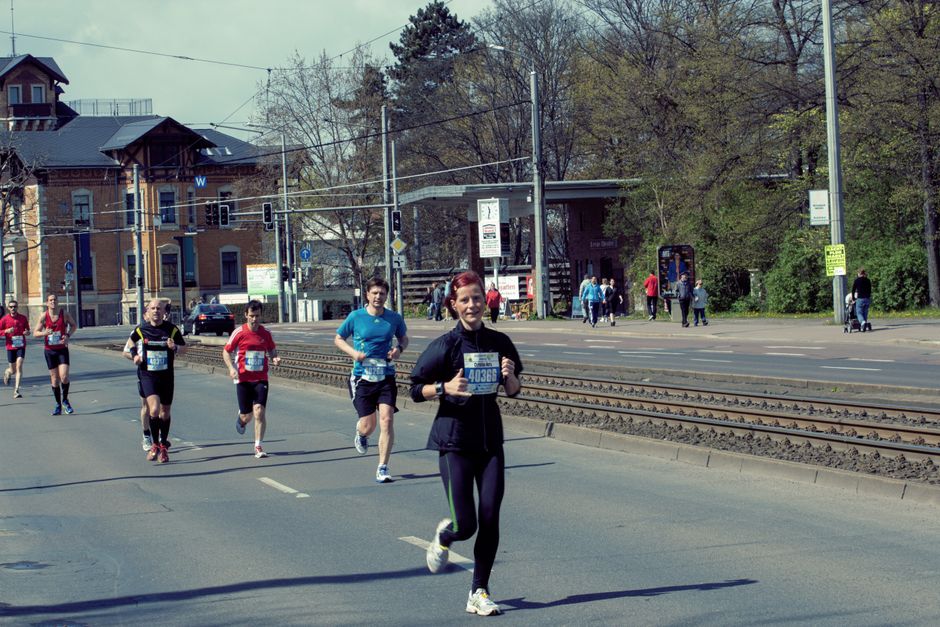
Three years ago, Berlin's outdoor fitness scene was dominated by cycling. Today, running trails through the city's parks and forests have become the wellness obsession reshaping how locals move. The shift reflects a broader pattern: as mental health awareness rises and gyms reckon with post-pandemic hesitancy, Berliners are choosing wind, trees and urban skylines over climate-controlled interiors.
The numbers tell the story. Membership enquiries at Tiergarten-based running clubs have increased by 48 per cent since 2024, according to informal surveys by the city's largest outdoor fitness networks. Every weekend morning, the Tiergarten's network of paths—particularly the scenic loop near the Landwehr Canal—draws hundreds of runners seeking flat, accessible terrain. But it's Grunewald, Berlin's 3,000-hectare forest on the city's western edge, that has become the unofficial trail-running mecca. The Grunewald lake circuit (approximately 7 kilometres) offers mixed terrain and tree cover that makes summer running feasible even during heat waves.
What distinguishes Berlin's approach from other German cities is its democratic infrastructure. The Spree-running routes linking Friedrichshain to Kreuzberg cost nothing and require no membership. Charlottenburg Palace Park offers manicured paths for tempo work. The Landwehr Canal's eastern stretch through Neukölln has become popular among runners mixing urban grit with green space.
Local organisations have capitalised on this momentum. Runners' collectives in Prenzlauer Berg and Kreuzberg now organise weekly group runs—typically free or donation-based—that emphasise community over competition. Simultaneously, boutique running studios offering treadmill-free coaching have opened across Mitte and Schöneberg, blending professionalised training with the outdoor ethos.
Experts attribute the trend partly to Berlin's cycling culture creating demand for alternative aerobic activities, and partly to the psychological shift toward nature-based wellness. The city's relatively flat terrain and extensive park system make running more accessible than in mountainous regions, reducing injury risk for beginners.
Weather remains a variable. Berliners are discovering that summer's midnight sunlight extends training windows, though winter's grey conditions test commitment. Still, year-round runners report improved mood and sleep quality—findings that align with growing research on outdoor exercise and mental health.
For anyone considering joining the trend: start with established routes like the Tiergarten loop or Wannsee's 7-kilometre lakeside path. Local running shops on Kurfürstendamm and in Charlottenburg offer gait analysis and seasonal advice. Most importantly, the city's running community—online forums, local clubs, social media groups—welcomes newcomers. In Berlin, outdoor running has shifted from niche to norm.
This article was compiled by AI from the sources linked above and screened before publishing. See our editorial standards.
How does this story make you feel?
Spread the word
About this article
Published by The Daily Berlin
Daily brief
Free, in your inbox before 7am. Weekdays.
More in Wellness